


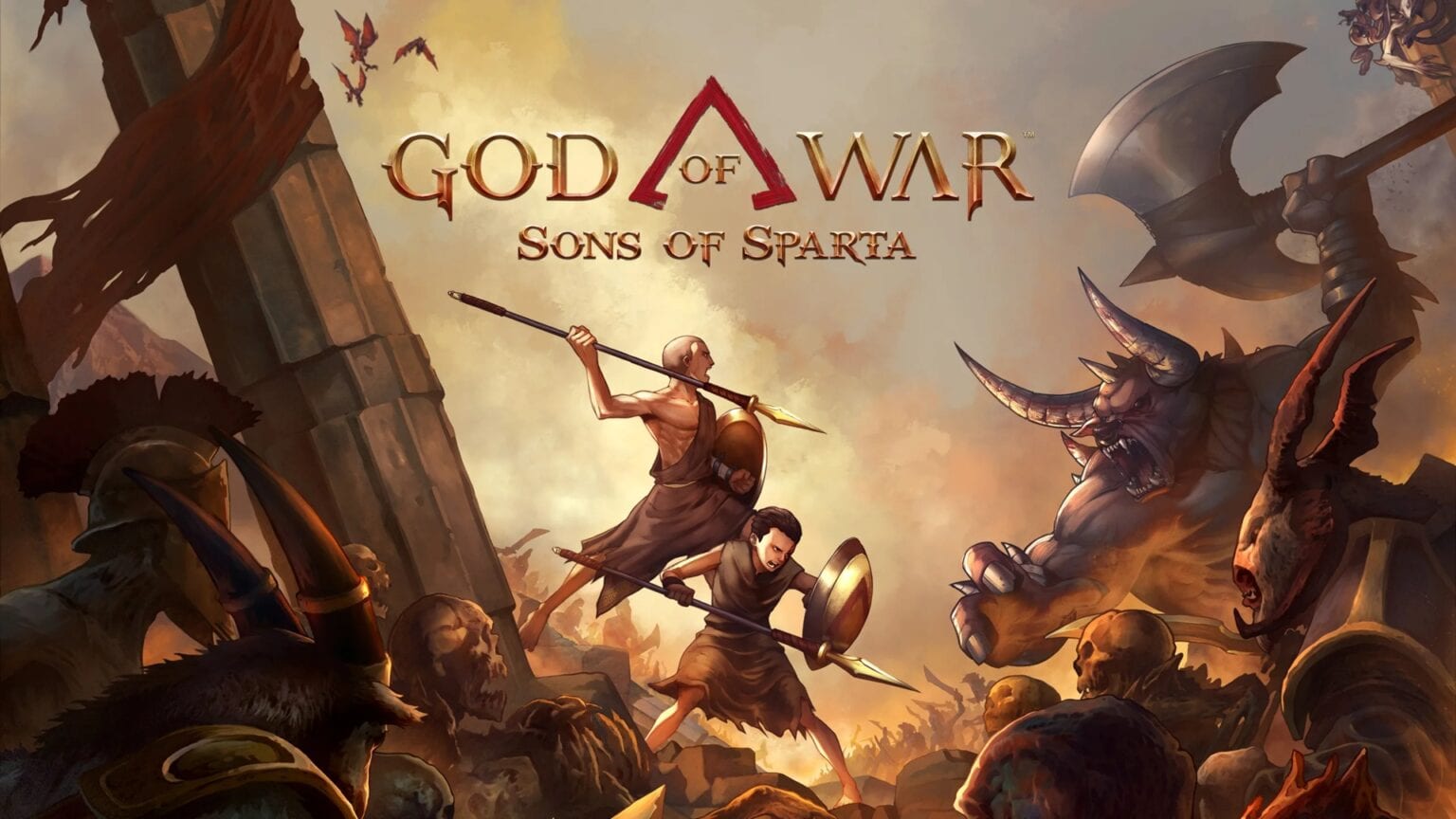
God of War: Sons of Sparta is not the kind of project you expect from this franchise. At $30 and launched without months of buildup, it could have easily felt like a throwaway side story. Instead, it feels deliberate. Focused. Almost experimental.
After finishing it on PS5 Pro, I came away impressed, even if I wasn’t blown away.
This is a leaner, more mechanically grounded entry that strips away spectacle and doubles down on systems. It works far more often than it stumbles, but it never quite reaches the emotional or mechanical heights that define the series at its best.
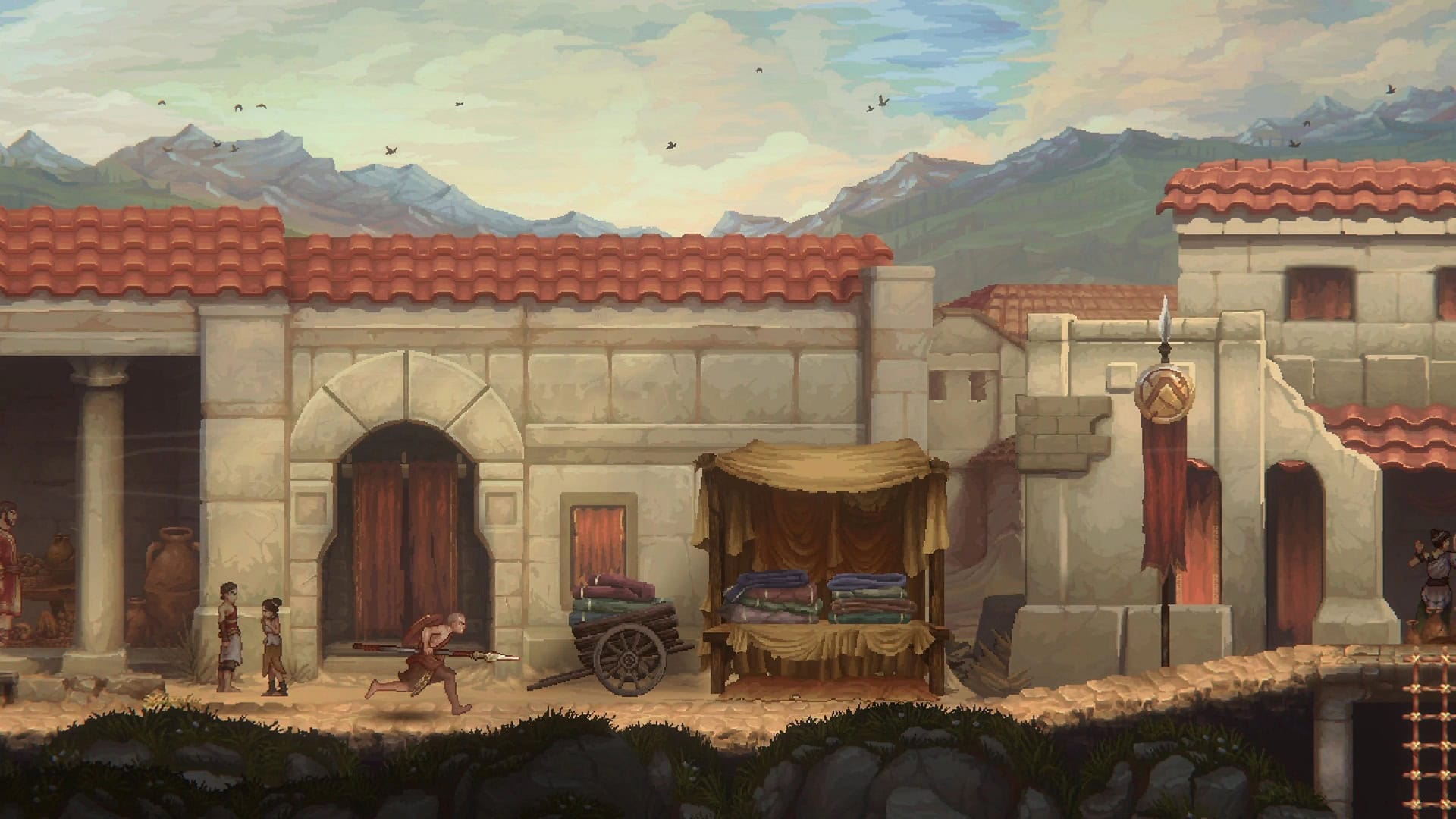
One of the most interesting parts of Sons of Sparta is the version of Kratos it chooses to show. This isn’t the god-slayer consumed by rage or the weary father trying to bury it. This is a younger Kratos, still bound tightly to Spartan ideals, still trying to prove himself.
The dynamic with Deimos gives the game a different emotional center than we’re used to. Their relationship carries tension, but also a strange warmth that longtime fans will recognize as tragic in hindsight.
The writing doesn’t overreach. It tells a contained story. There aren’t massive twists or universe-altering revelations. Instead, it focuses on loyalty, pride, and the early cracks in Kratos’ worldview. That smaller scale actually benefits the pacing. The campaign moves steadily, and I never felt like the game was padding itself to justify its runtime.
Still, a few narrative beats feel predictable. You can sense where certain conflicts are headed before they unfold. It never becomes dull, but it doesn’t surprise often. Sons of Sparta tells a solid story. It just doesn’t swing for something transformative.
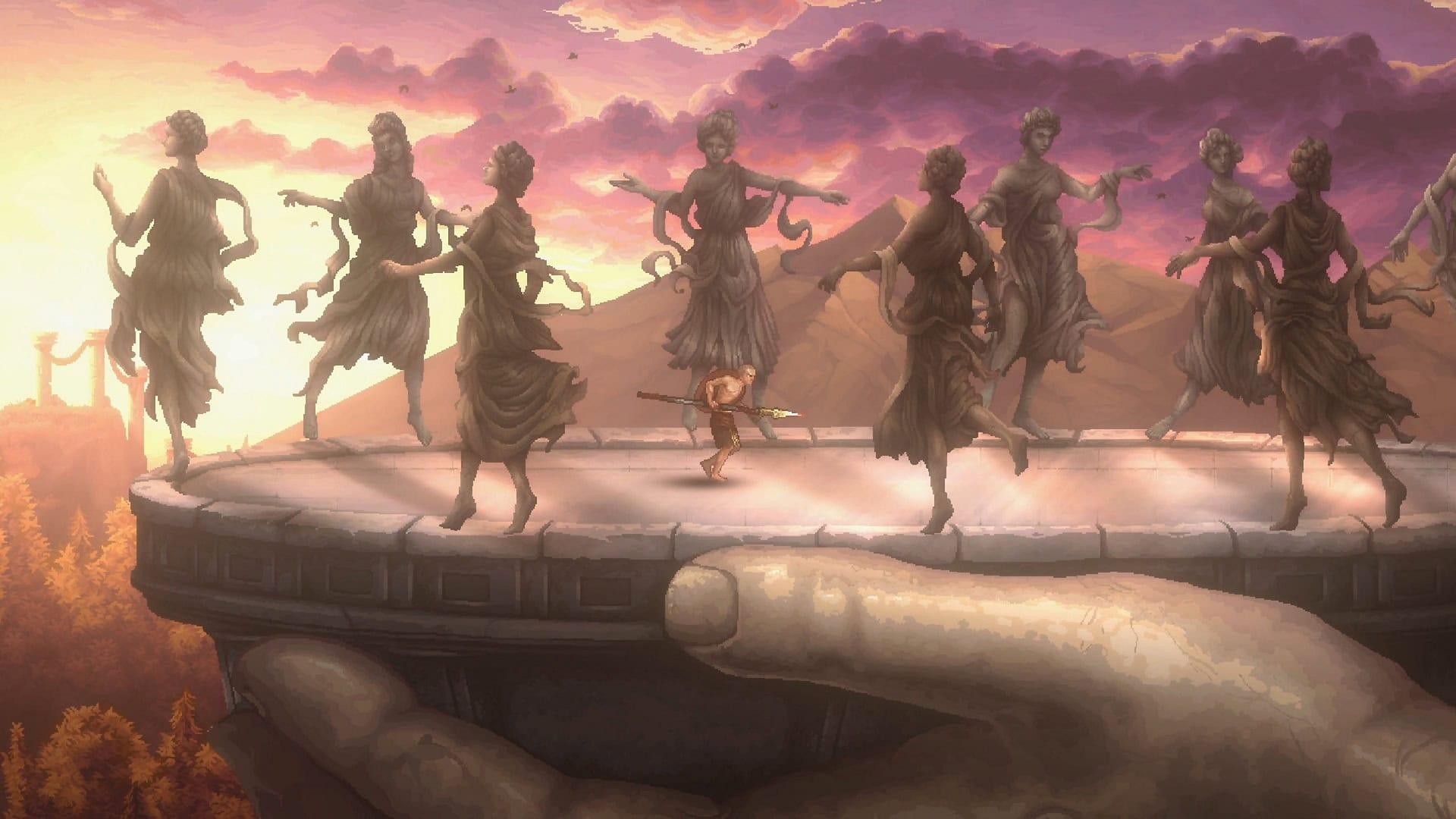
Mechanically, the shift to a 2D action platformer is handled with far more confidence than I expected. The exploration structure is built around ability acquisition and revisiting earlier areas, which fits the genre naturally. Progression feels tangible, especially as traversal options expand and previously inaccessible paths begin to open up.
Combat starts off modestly, which may initially feel underwhelming for players coming directly from the mainline titles. The spear and shield setup lacks the immediate flash of the Leviathan Axe or Blades of Chaos. However, as upgrades unlock and customization options expand, the system reveals more depth than first impressions suggest. Modifying spear components changes combo flow and introduces meaningful variations in how fights play out. Resource management becomes more relevant on higher difficulties, particularly the balance between aggressive play and survivability.
Boss encounters are where the game is at its strongest. They emphasize timing, positioning, and discipline rather than spectacle alone. Several fights required multiple attempts. I found myself retrying several encounters not out of frustration, but because I knew I could execute them cleaner.
That said, exploration rewards sometimes feel underwhelming. Large chests often just contain crafting materials instead of gear. While stat upgrades matter, the excitement of discovery sometimes feels lacking. It’s not a deal-breaker, but it does limit the sense of progression across the campaign.
If you grew up with the older PlayStation God of War titles, there’s a short adjustment period here. Movement being locked entirely to the analog stick feels strange at first in a fast-paced 2D action game, especially when instinct tells you to reach for the D-pad like you would in older side-scrollers. I caught myself doing that more than once in the opening hours.
Movement is locked to the analog stick rather than offering D-pad precision, which is a deliberate choice in a 2D action platformer. It shifts the feel slightly, especially for players who instinctively associate side-scrolling combat with tighter directional inputs. That said, once you lean into how the game is built, the logic behind it becomes clear. The same goes for traversal. Climbing ladders requires a dedicated input instead of simply holding a direction, which initially feels unconventional, but it quickly proves to be a consistency-driven design choice rather than a flaw.
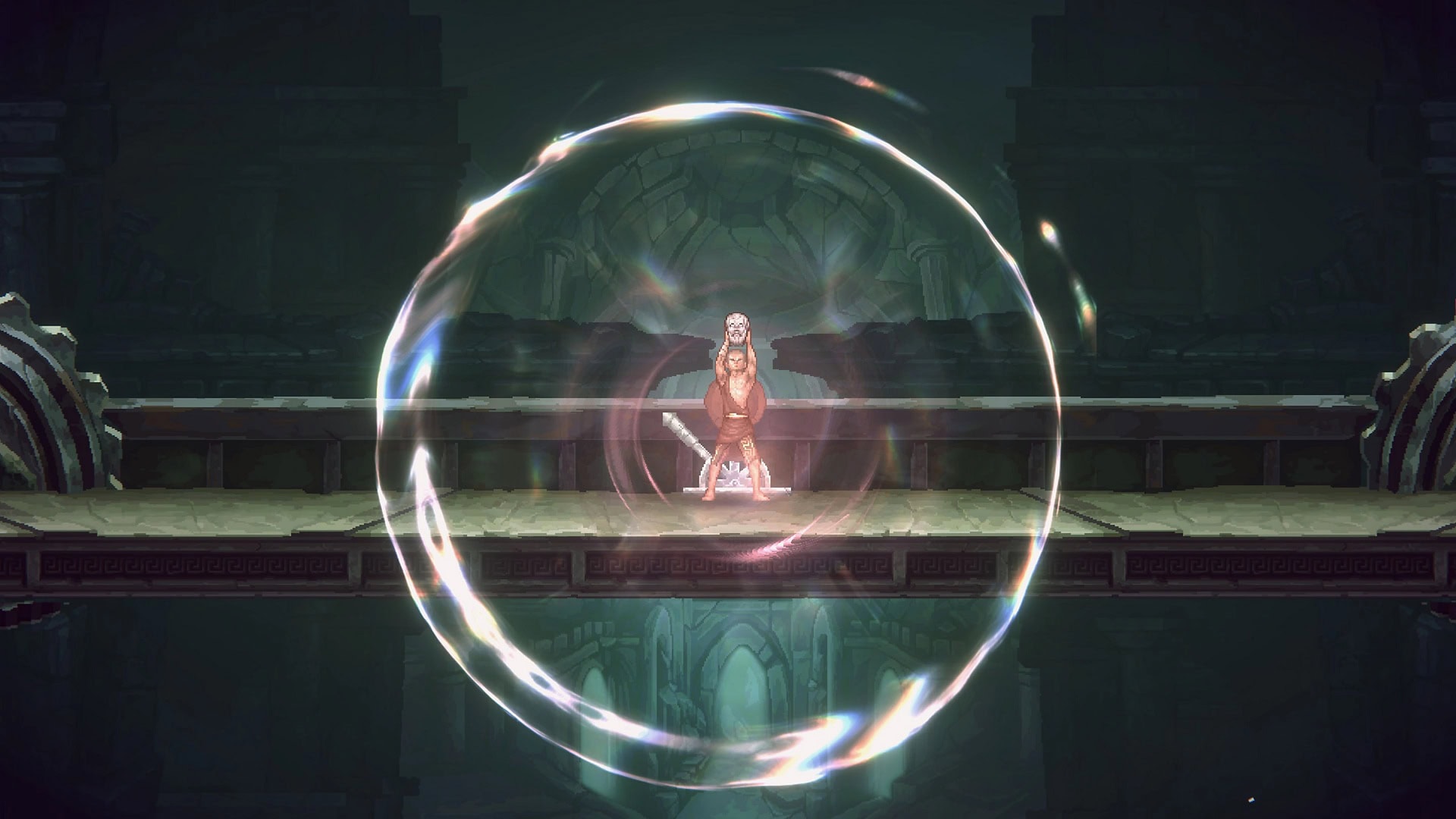
On PS5 Pro, Sons of Sparta runs without issue. Frame rate remains stable throughout heavy combat encounters. Visual clarity is sharp, and load times are nearly nonexistent. Death and retry cycles are quick, which matters because the harder difficulty settings can be punishing. I didn’t encounter any crashes, frame drops, or major visual bugs during my playthrough. For a surprise launch, the technical state is commendable. I encountered no crashes and only minor visual inconsistencies that did not affect gameplay.
The biggest limitation of Sons of Sparta is ambition. It feels intentionally contained. That containment improves pacing and sharpens the experience, but it also prevents the game from delivering the kind of defining moments that elevate a title from very good to exceptional. It refines systems rather than redefining them, and it stays within its comfort zone more often than it challenges it.
Even so, it is difficult to deny how well constructed the experience is overall. The genre shift feels purposeful, the combat grows satisfying over time, and the narrative, while restrained, fits naturally within the broader God of War mythology.
God of War: Sons of Sparta succeeds because it knows its limits. It doesn’t try to overshadow Ragnarök, and it doesn’t need to. It stands on its own as a disciplined, focused entry that expands the franchise sideways instead of upward. It focuses on mechanical clarity, tight pacing, and a personal story that fits comfortably within established canon. The combat grows into something satisfying. The exploration loop is well structured. And on PS5 Pro, it performs flawlessly. It may not redefine the franchise, but it expands it in a way that feels earned.
This review is based on a review copy provided by the publisher.
God of War Sons of Sparta (PS5)
God of War: Sons of Sparta succeeds because it knows its limits. It doesn’t try to overshadow Ragnarök, and it doesn’t need to. It stands on its own as a disciplined, focused entry that expands the franchise sideways instead of upward. It focuses on mechanical clarity, tight pacing, and a personal story that fits comfortably within established canon. The combat grows into something satisfying.
The Good
- Tight, mechanically satisfying combat
- Strong boss encounters that reward positioning and timing
- Focused story that adds meaningful context to Kratos’ early years
- Compact pixel art direction
- Excellent performance and stability on PS5 Pro
The Bad
- Early hours can feel mechanically limited before upgrades open up
- Controls may feel unconventional to longtime side-scroller players
- Lacks the scale and defining moments from the mainline entries
