


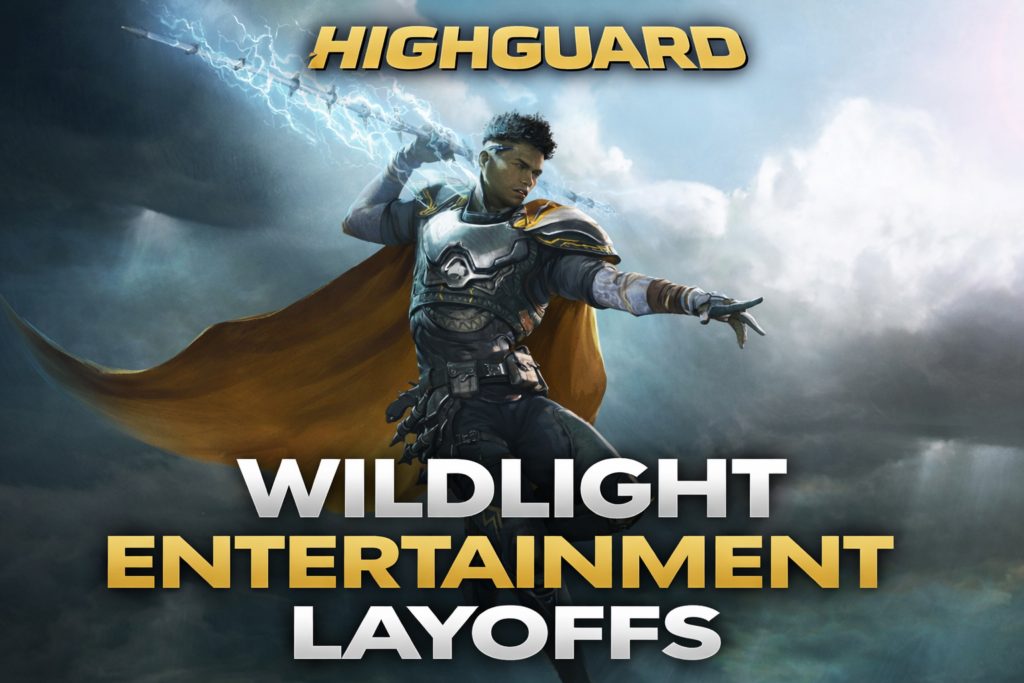
Just weeks after its long anticipated debut, the future of Highguard and its developer Wildlight Entertainment now hangs in uncertainty. Reports from former staff and an official response from the studio confirm that a significant portion of the team has been laid off, leaving only a core group to steward the shooter’s live service path forward.
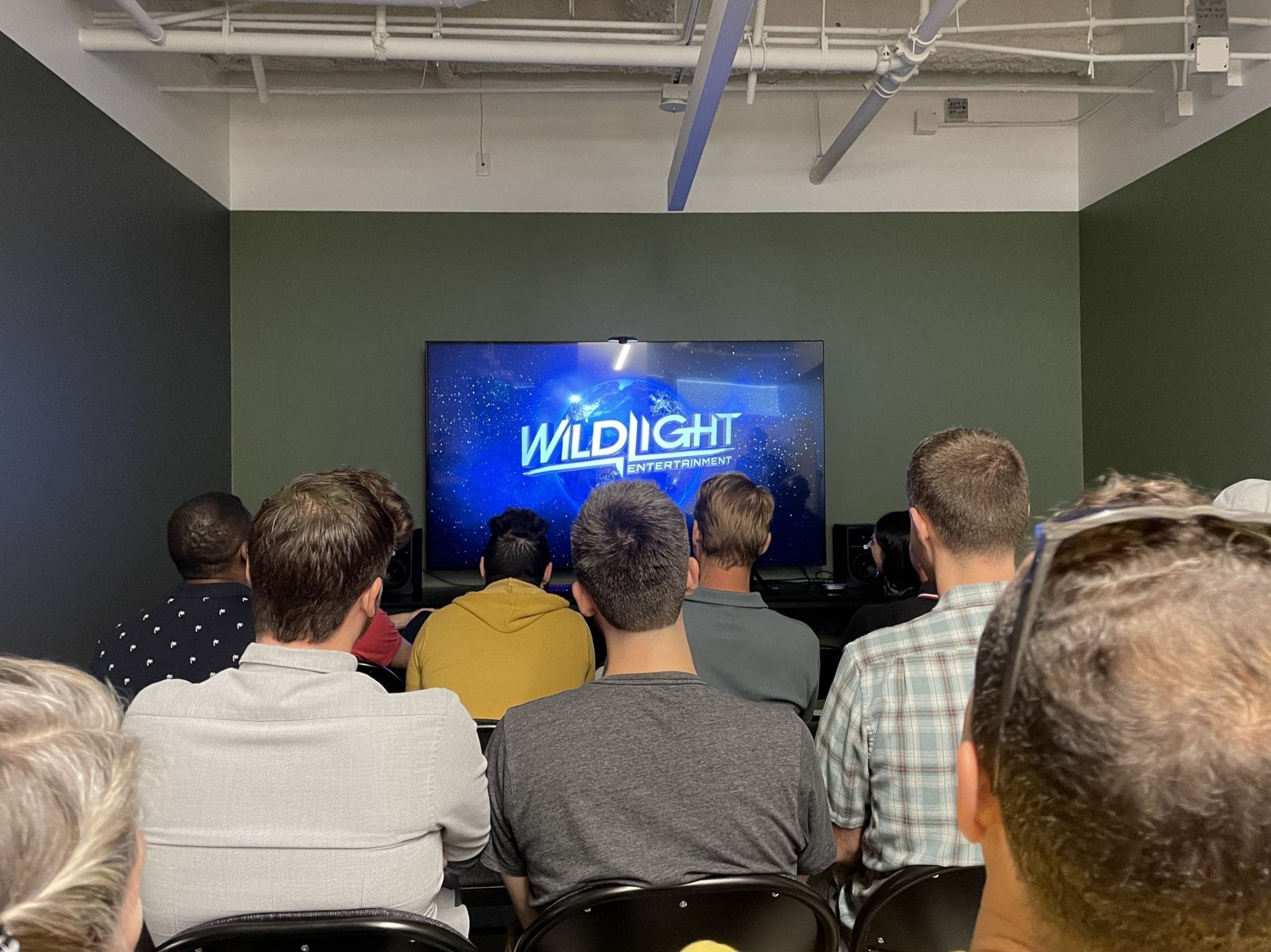
The layoffs were first revealed when Highguard level designer Alex Graner shared on LinkedIn that he and “most of the team at Wildlight” had been let go. Graner’s post hinted at unreleased content now at risk, saying that the cuts hit hard because there was still “a lot of unreleased content” that developers were excited about.
Wildlight later confirmed the layoffs in a statement on social media. The studio said it made the difficult decision to part ways with a number of team members while retaining a smaller group to continue supporting and innovating on Highguard. The company did not provide specifics on how many people were affected, or how exactly the cuts will shift future development plans.
A Rough Launch Window and Mixed Reception
Highguard launched on January 26 for PlayStation 5, Xbox Series X|S, and PC with a mix of excitement and confusion. The free-to-play PvP raid shooter was first revealed as the world premiere at The Game Awards last December but drew mixed reactions from players and critics. Early player numbers were strong, with nearly 100,000 concurrent players on Steam at launch, but the audience waned quickly amid mixed reviews and community skepticism.
Developers had already responded to feedback by expanding game modes and adding a 5v5 option shortly after launch. Despite those efforts, Highguard has struggled to maintain momentum in a crowded live service market where games live and die by their ability to keep players engaged long after release.
Highguard’s Layoffs Feel Less Like a Shock and More Like a Pattern
When a studio lays off “most of its team” just weeks after launching a live service game, the industry barely pauses anymore. It should. That is not a slow decline. That is immediate correction.
Wildlight’s official message emphasized that a smaller team will remain in place to support and innovate on Highguard. That language is familiar. It is careful. It is meant to reassure. But scale matters.
When a project loses a significant portion of its development staff this close to launch, it changes what “ongoing support” realistically looks like. Live service games do not just survive on maintenance patches. They survive on velocity. New content. Balance changes. Community engagement. Momentum.
Momentum is hard to manufacture with a reduced team.
What This Means for Highguard’s Future
Layoffs so close to launch are unusual for a live service title that had public plans for ongoing content. Industry watchers now wonder what portions of Highguard’s roadmap can still be delivered with a skeleton crew, and how the community will respond to a project that appears to be shrinking even as support is officially maintained.
It is still early days, and the statement from Wildlight makes clear that the game will continue to receive updates and support. But the shift in personnel raises questions about the studio’s long term viability and its ability to compete with other persistent shooters that thrive or falter based on content velocity, technical tuning, and community engagement.
This situation at Wildlight mirrors a broader trend in game development where even high-profile launches can lead to rapid restructuring if engagement metrics do not meet expectations. The industry has seen similar patterns in recent years, with studios large and small adjusting teams in real time as live service economics continue to dominate development strategy.
For players who supported Highguard from day one, the news will feel jarring. For the developers who poured years of effort into the project, it lands as a stark reminder of how quickly success and stability can shift in the games business. Some players have already begun comparing Highguard’s early struggles to other high-profile live service misfires like Concord, a narrative that tends to stick quickly in today’s online ecosystem, calling Highguard as Concord 2. Whether that comparison is fair remains to be seen, but perception can move faster than patch notes.
