




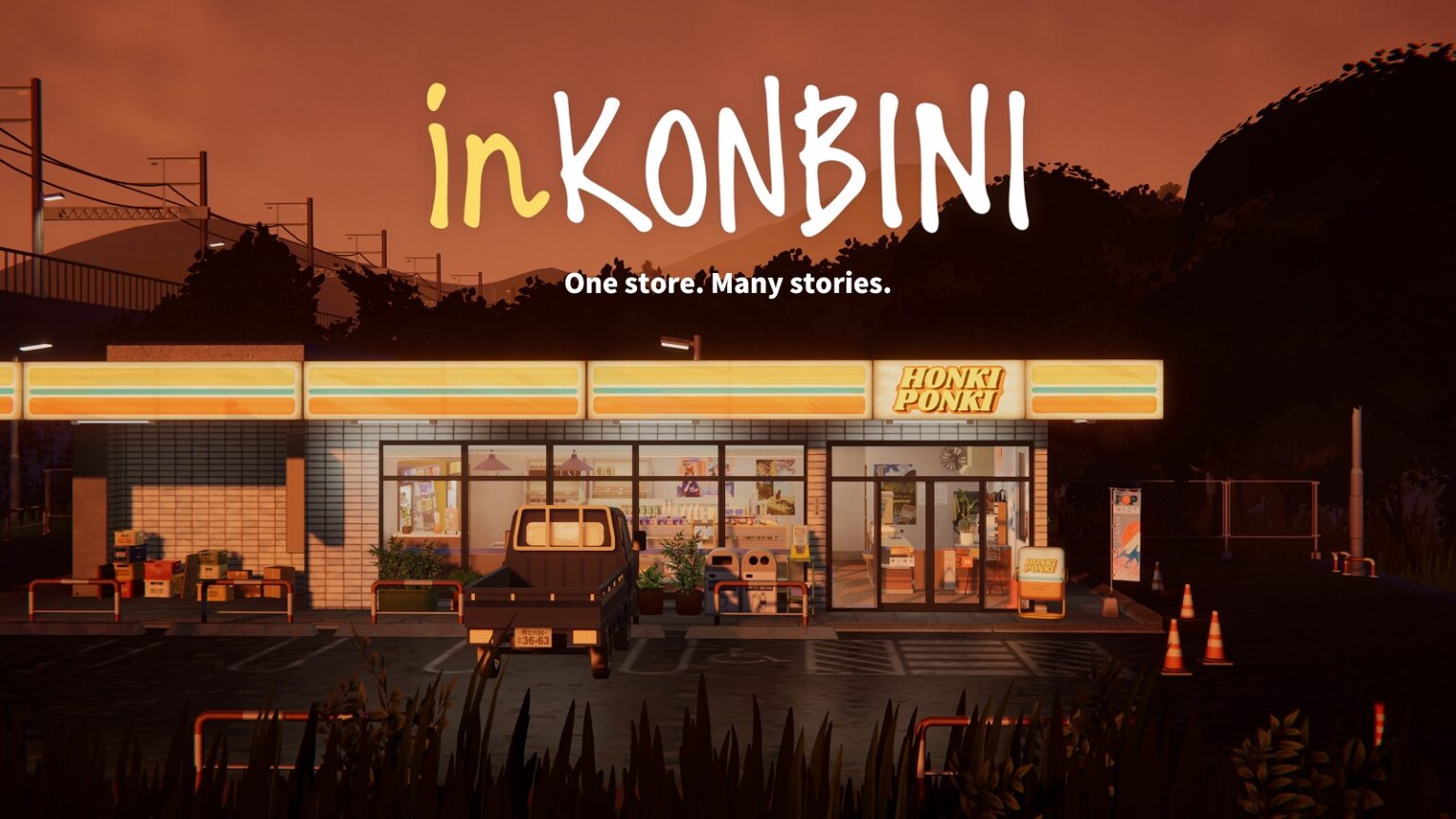
inKONBINI: One Store, Many Stories is described a cozy slice-of-life game about running a small-town Japanese convenience store in the early 1990s. Players are put into the shoes of Makoto Hayakawa, a college student working part-time behind the counter. The game is a different kind of store management simulator wherein the point isn’t about running a successful business but rather hearing out everyday patrons and forming meaningful connections over lived experiences.
The short Steam demo is but a snippet taken from what appears to be very early on in the game. It is established immediately that we are expected to keep shelves stocked with a variety of items as well as placing items in the right places, should they happen to be displaced for whatever reason. The demo may only feature one brief interaction but it tells you everything you need to know about customer interactions.
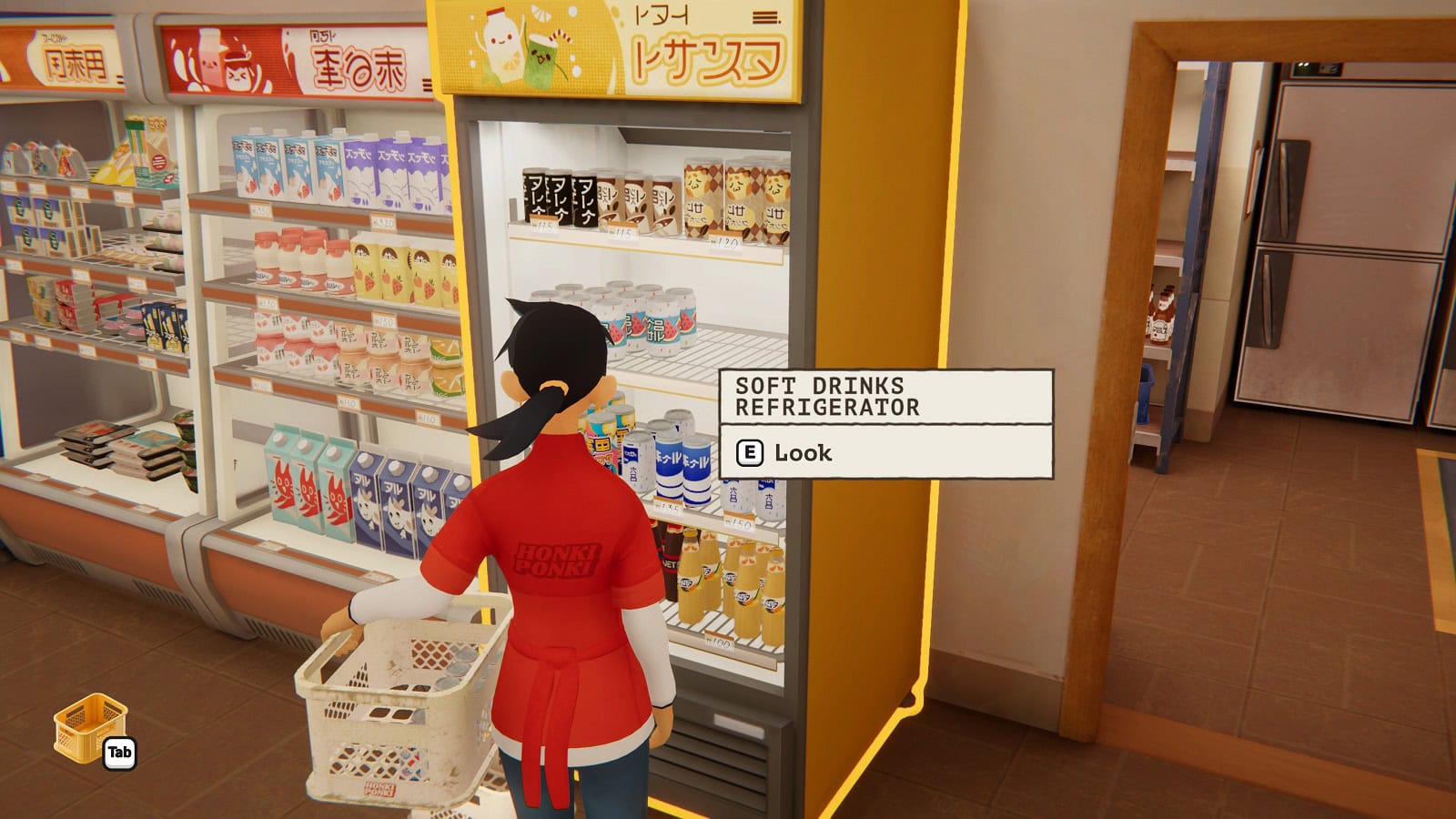
When you start the demo, you receive a call from your aunt, the owner of the establishment. She tells you to look at your notes for hints about what you should do. It is your choice whether or not to heed her words, though I don’t know what the consequences are for not following instructions. In any case, your first task is to stock the shelves with items from the back. If you’ve played storefront sims, then you know the drill. But in this case, you put items into a shopping basket instead of carrying whole boxes.
The important thing to note is that the game is basically training you to get into the proper rhythm. As a shopkeeper, it is your job to stock shelves and tidy up the displays for when customers arrive. You need to keep doing this the entire time while tending to the needs of customers.
After you’ve done the rounds and checked that everything is in order, or at least a passing glance at the contents of the shelves, the game tells you to open up the shop and wait for our customer to enter.
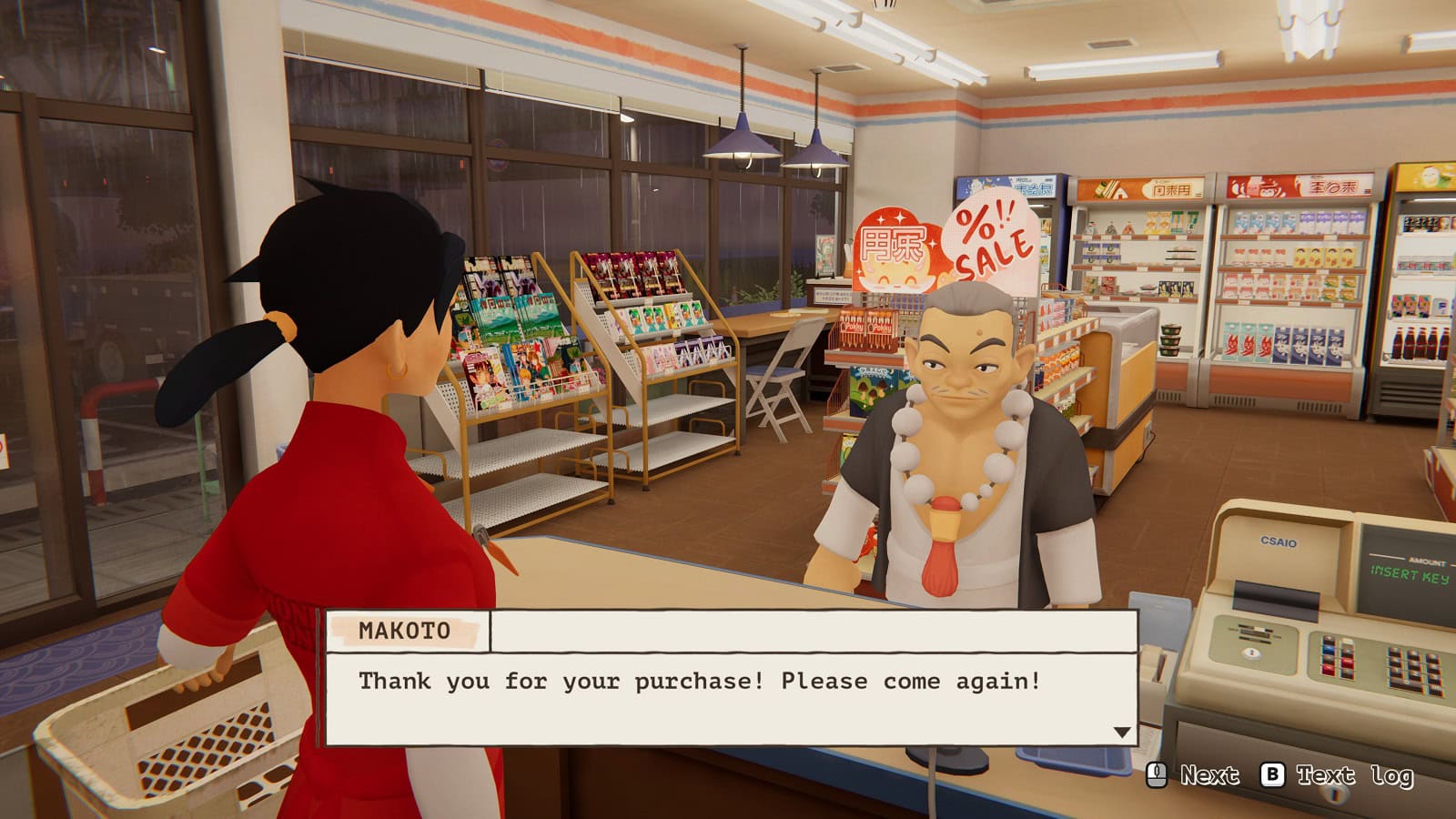
We don’t have to wait long for someone to enter the store. Our first customer is a man known as Chief. My first instinct was to wait behind the counter until he got everything he came in for. I was slightly surprised to find out that Chief was commenting on the smallest of imperfections. He would go in between the aisles, talking to himself about items not facing the right way or items not being in the right place. I had planned to act upon his comments, but I wasn’t given the chance to.
Chief had reached the noodles section and was now asking for a recommendation in choosing a new noodle brand. I recommended something that appealed to my tastes. I don’t know if my choice was actually any good. I assume that he will provide feedback on his next visit to the store. Next, he asked for help in locating a “hypoallergenic can of cat food”. He provided very few details. After scanning the contents of several labels, I handed him one I was confident was the right choice.
It was at this point that I realized that this is the main gameplay loop – keeping everything in order and at the same time helping out when asked by customers. I wondered what it would be like to have more than one customer walking around the store. Will they wait long while I service another customer, or will they try to get my attention? Considering that this is supposed to be a cozy game, I doubt that we’ll see lots of foot traffic in the store. Maybe three customers at most at a time. That sounds reasonable for a small-town convenience store.
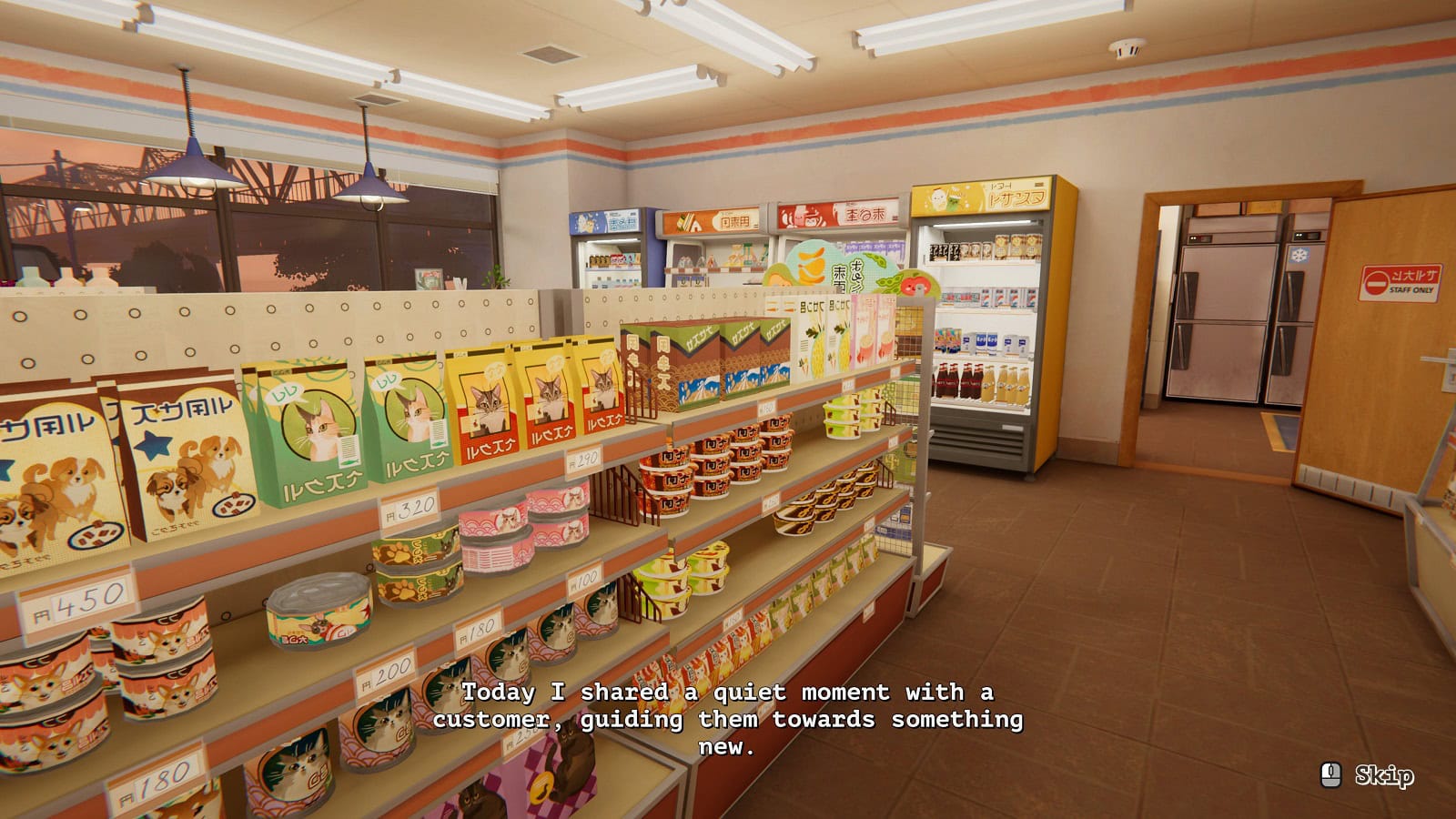
During our conversation, it was brought up that something had happened between him and Aunt Hina. A past incident that doesn’t spark joy whenever it is brought up. I wonder if we are able to coax more details out of him after some time. Maybe that’s one way of revealing the intimate stories of the community. I guess we’ll have the answer to all my musings at the end of the month when the game releases.
inKONBINI is still by far one of my most anticipated games of the year. The demo only further increased my interest in playing the full game. There’s something about the art style, the 1990’s Japanese setting, and just its general idea that makes it so compelling. But I do have some lingering concerns that haven’t been addressed. For instance, ‘how long is the game going to run?’ I assume that it won’t go longer than 20 hours. This is a common thing with narrative-heavy games. They don’t usually overstay their welcome after telling their story to the audience. In the same vein, the only replay value here could be in choosing different paths for different outcomes.
Regardless of my concerns, I do believe that I will have a wonderful time with this title. It’s not every day that you get to do the very things that you do in practically every other storefront sim, but with the extra dimension of holding conversations with customers over the counter. Oh, the stories they will share.
inKONBINI: One Store, Many Stories will be released digitally on April 30, 2026, PlayStation 5, Xbox Series X|S, Nintendo Switch, and PC (via Steam)
