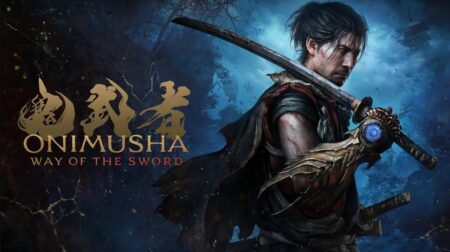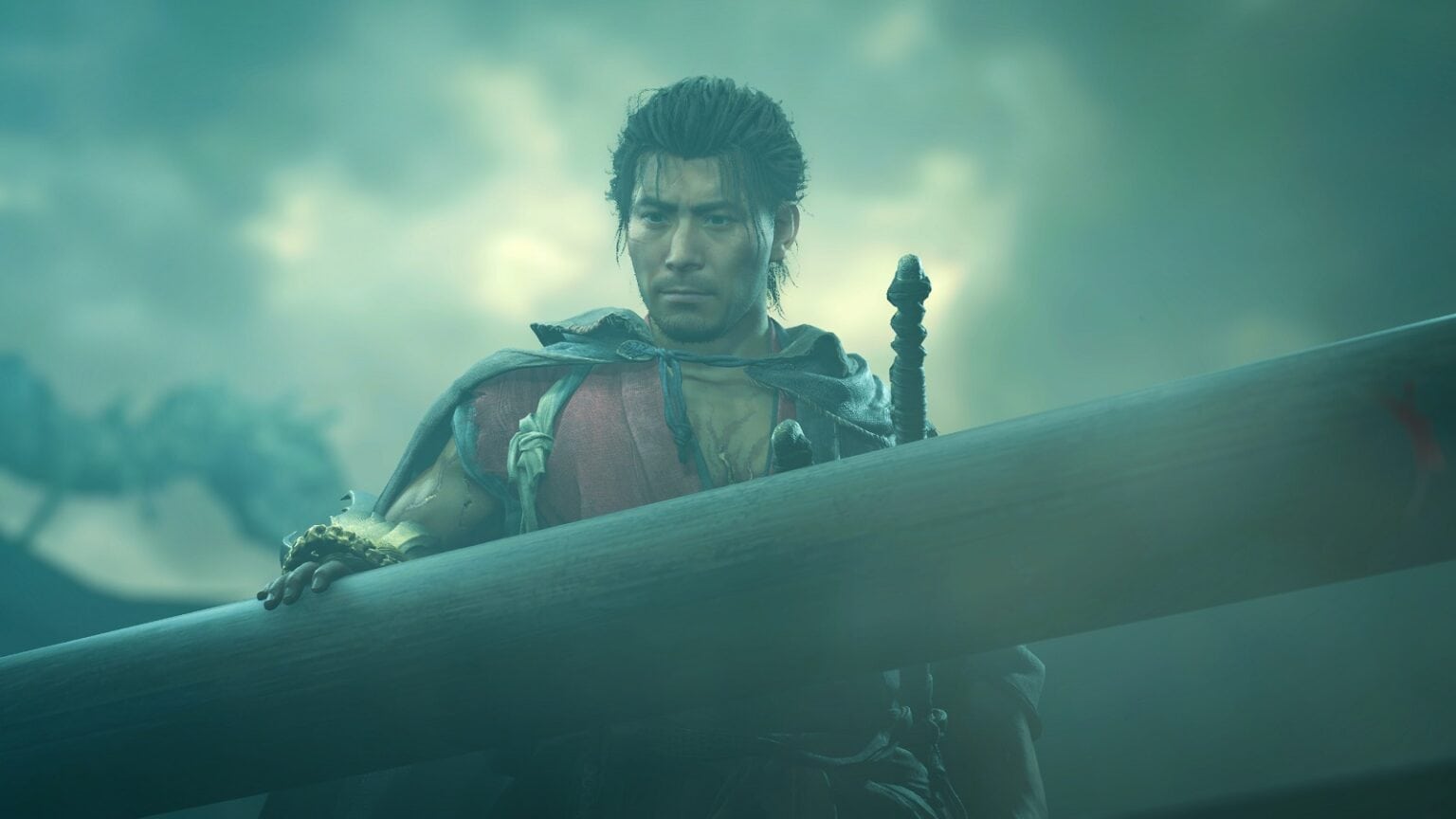
Onimusha: Way of the Sword is described as a supernatural sword-fighting adventure game set in Kyoto during the Edo period of Japan. Players take control of the legendary swordsman, Miyamoto Musashi, as he discovers a reason to fight during this chaotic period of history. Aiding Musashi in this journey is the mysterious Oni Gauntlet, an object of unknown origins that gives its wielder supernatural abilities that allow them to fight against the Genma. Together, they may be able to stop the malicious spirits that have invaded the living world.
The article below is our impression of the Onimusha: Way of the Sword demo on PC (via Steam), which is also available right now on PlayStation 5. The demo features roughly 30 minutes of gameplay taken from an early section of the story. There you will learn how the gameplay flows as well as the overall pace of the game. It also gives us a sense of what we can expect from boss battles moving forward.
The first thing I want to touch on is the options we get when it comes to the control layout. In a general sense, the game gives you the option to choose between an aggressive layout and a defensive layout. The difference here is that the aggressive layout leans more into the active playstyle commonly seen in action games, where the important actions are centered around the face buttons. The defensive layout, on the other hand, takes the more passive approach and places the Block/Parry action to [L1] on the controller. It may be standard practice inside Capcom to offer such control schemes, but having the controls laid out exactly how I wanted them (In my case, defensive layout) saves me quite a bit of time from fiddling around menu screens like I normally would.
If you haven’t changed your graphics settings before starting the level, the game may default everything to ‘Medium’. If you know your rig can handle it, feel free to increase your settings however you wish. This has been an issue in most Capcom games, specifically the Monster Hunter Wilds demo. Though I am pretty sure that we will not be seeing graphical issues as egregious as those in Wilds.
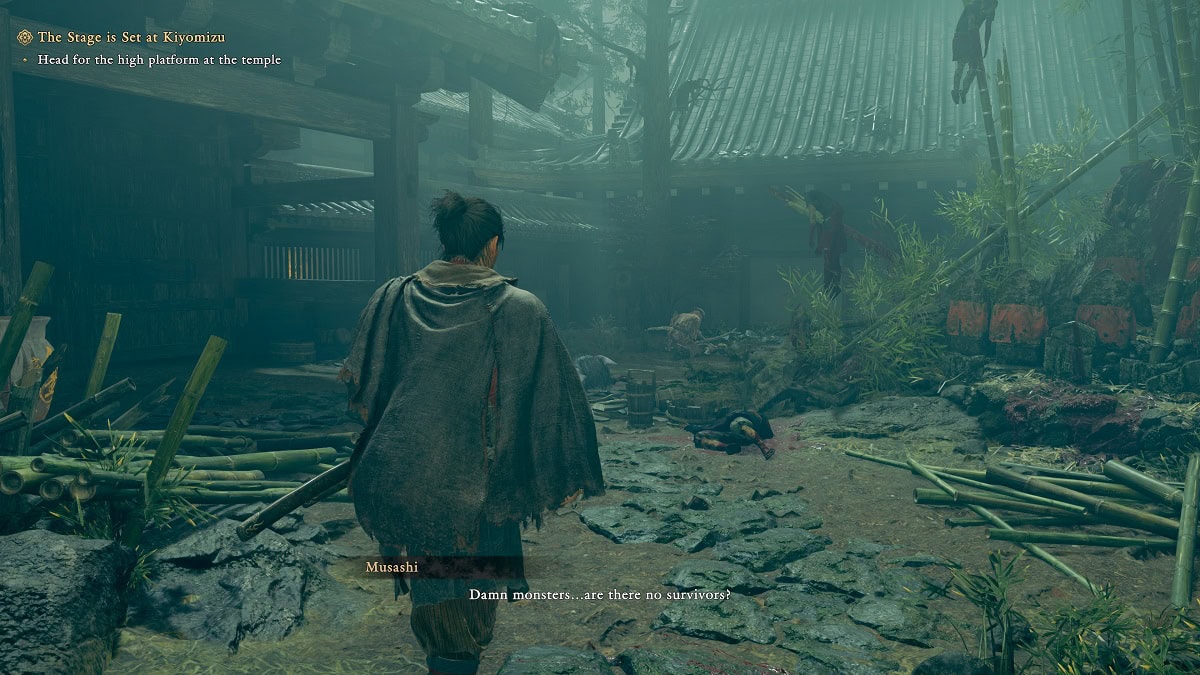
The demo starts with Musashi on the road leading to a temple. On his way there, he finds out that the Genma are laying siege and attacking the villagers on site. He then comes across the aftermath of a disturbing ritual involving human sacrifice.
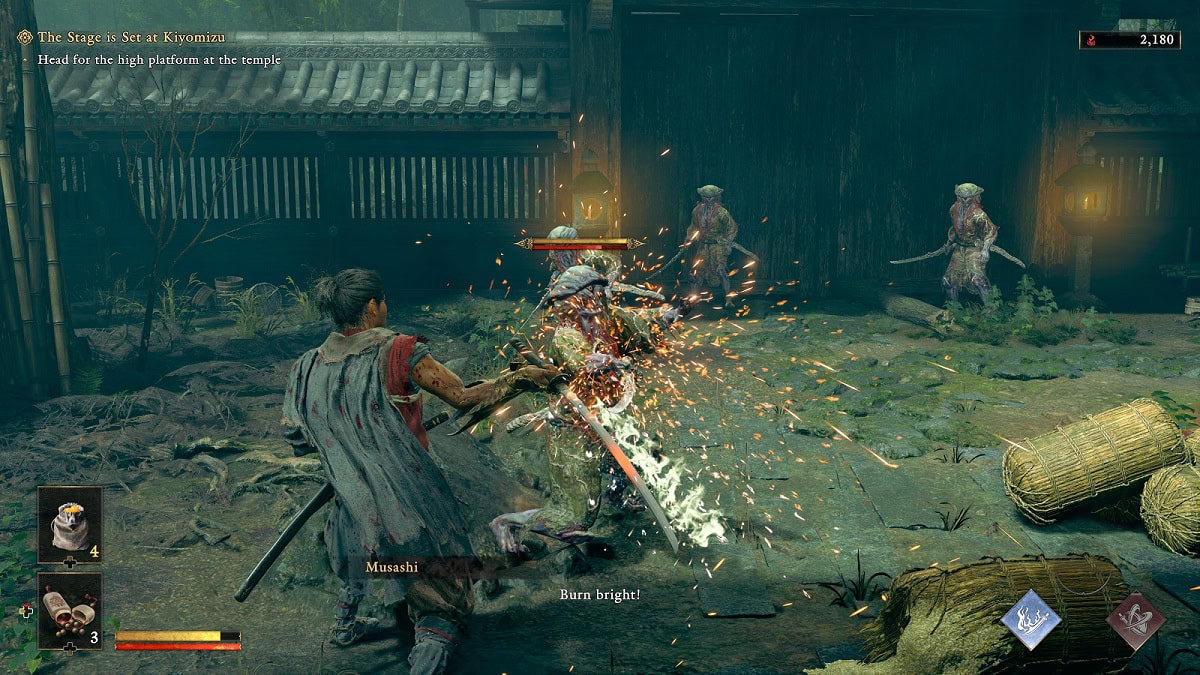
My first impression of the combat is that it is slower than I expected. Every attack felt ever so slightly on the slow side without losing any bit of lethality. It didn’t feel like I was moving in molasses; it felt like all my actions were deliberate without a means of animation cancel. The current gameplay style is definitely far removed from the arcade-like combat of previous Onimusha games from several console generations ago. It is almost like standoffs between samurai, wherein enemies attack one by one instead of attacking all at once. It almost reminds me of the older Assassin’s Creed games. Or more recently, Ghost of Tsushima.
You also learn things like Blade Barrages and Blade Locks. The former occurs when both combatants’ attacks hit at the same time. The resulting clash requires the player to input a series of timed quick and heavy attacks. The game tells me to mix up attacks or else enemies get wise and counter back. But that never happened to me, even when I tested it out with a string of light attacks. The latter requires the player to spam light attacks until the enemy loses the clash. It’s these mechanics that separate The Way of the Sword from your typical hack-and-slash game.
You can easily kill most small fry enemies with a few slashes if they lower their guard. But more often than not, they will adopt a more defensive stance if they are not the active participant in battle. This is where the parries come in handy. Once you successfully parry an enemy and start chopping them to bits, the rest of the enemies start folding like a house of cards. That might be the only way to succeed in the game. During and after a fight, it is normal for your character to absorb different colored souls.
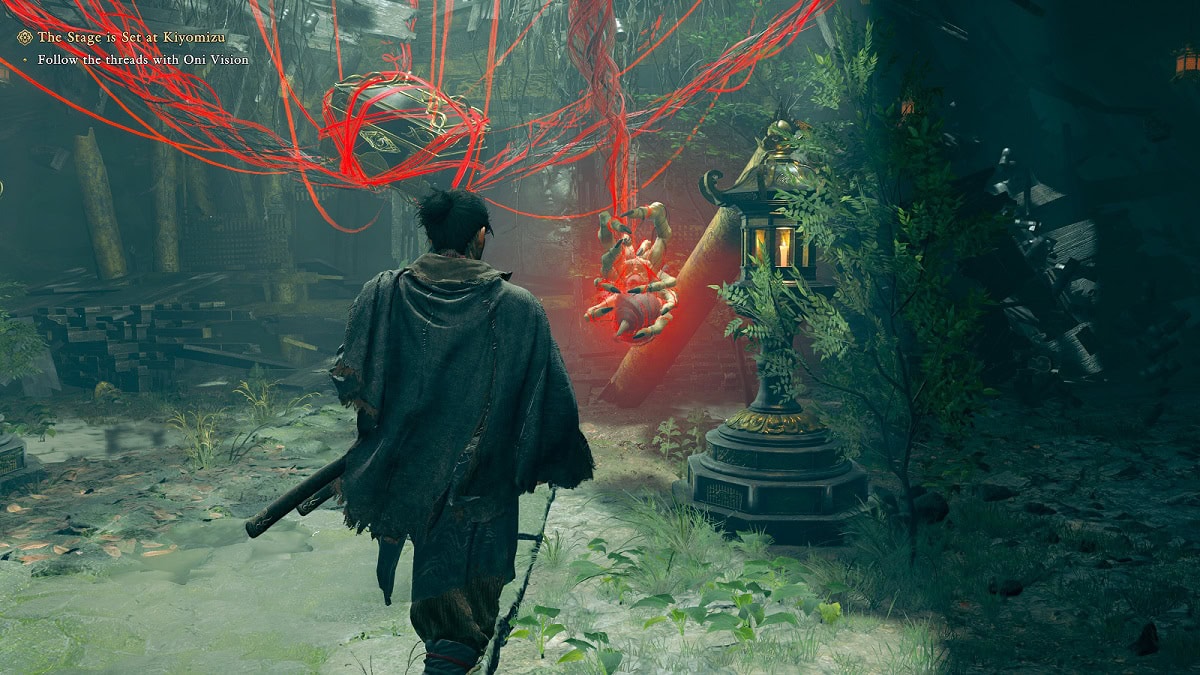
Outside of combat, the game functions like a typical action RPG with item management and assassination takedowns. The demo only features one puzzle mechanic, the hell spiders. These otherworldly spiders are usually invisible to the naked eye, requiring you to rely on the Oni Gauntlet to see their threads. They essentially function as blockers, and you need to trace them back to the source if you wish to process in an area. Tracing the webs to the spider itself wasn’t too difficult. I just looked at a map and guess where it potentially is after ruling out places I’ve gone to. Of course, there are enemy encounters in between, but that’s to be expected at this point. Not the worst way to go about things. It’s certainly better than forced fights inside magic barriers. (Though I haven’t ruled out them not happening at all.)
The demo introduces at least 4 types of Genma previously revealed to the audience. (I can’t for the life of me remember the names, so bear with me.) These range from the swordman grunts, flying pig heads, armored lizards, and oar paddle guy. The first two types you’ll see a lot of during the demo. The armored lizards show up once you’re inside the temple grounds. They’re mostly remembered for their spinning top attacks and getting stuck on walls. As big buy is almost worth mentioning, as it is the first elite we encounter who is more than capable of kicking our butts if we start panicking. There is also a reveal of a Yeti monster near the end, but we don’t see it outside of a quick intro sequence.
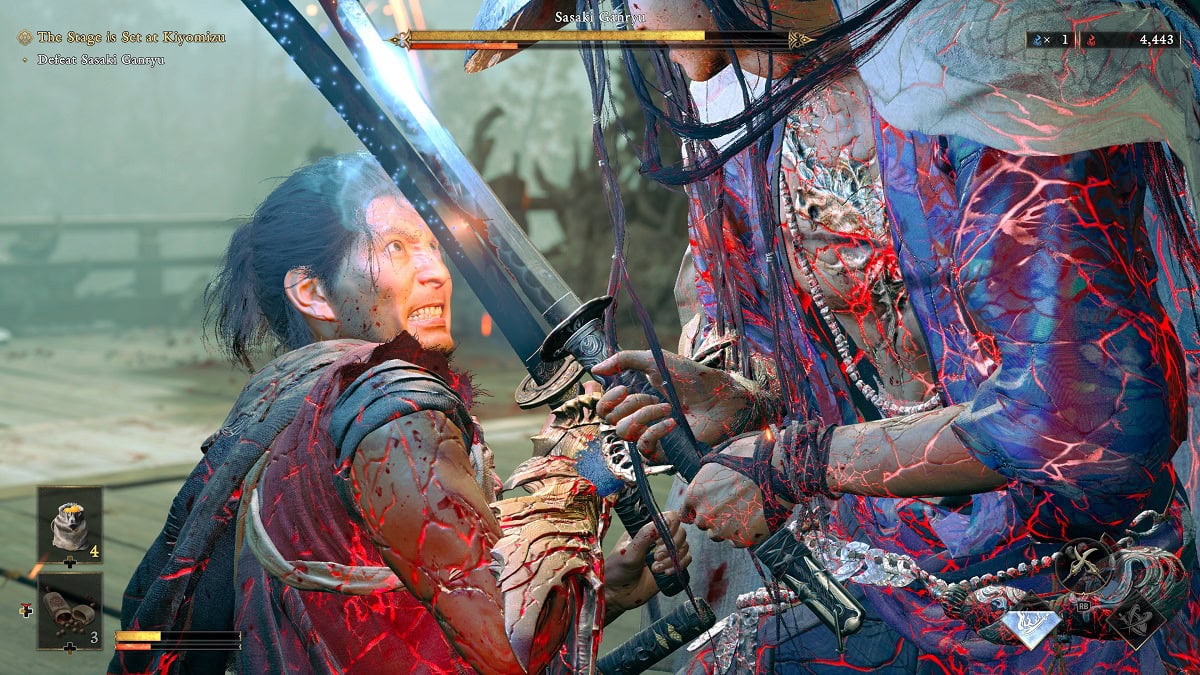
The boss fight with Sasaki Ganryu is both annoying and perplexing. He’s the kind of boss who will mop the floor with you if given the chance. But after going at him a couple of times, I started to see more as a skill check kind of boss where you need to keep your distance. The fight isn’t as intuitive as a Sekiro fight. Countering his attacks was often left to chance. I don’t know how to feel about it. Maybe after a couple of attempts, I’ll get a firm grasp of what the game expects of me. Thankfully, an autosave occurs just before the boss fight, giving us a chance to do it all over again even if the demo is technically over.
The only disappointing part of the demo is that we are introduced to the ‘Two Celestials’ Oni Armament so late in the demo that I have barely any time to see what they are capable of. I’m glad that we got to see more stuff, but did it have to be so late that it hardly matters?
Based on what I see in this demo and what I know so far, we may be looking at another 12 to 18-hour action-packed experience. Depending on how everything goes later this year, we may have another Capcom hit on our hands for 2026, completing the trifecta right next to PRAGMATA and Resident Evil Requiem. I had my doubts at first, but now I might actually be looking forward to this new chapter in the Onimusha franchise.
Oh, and in case you’re wondering, Onimusha: Way of the Sword is a completely self-contained story that neither affects nor is affected by previous established canon events set by previous games. It is a deliberate choice on Capcom’s part as it intends to ease newcomers and veterans alike without needing prior knowledge of the series.
Onimusha: Way of the Sword launches September 25, 2026.