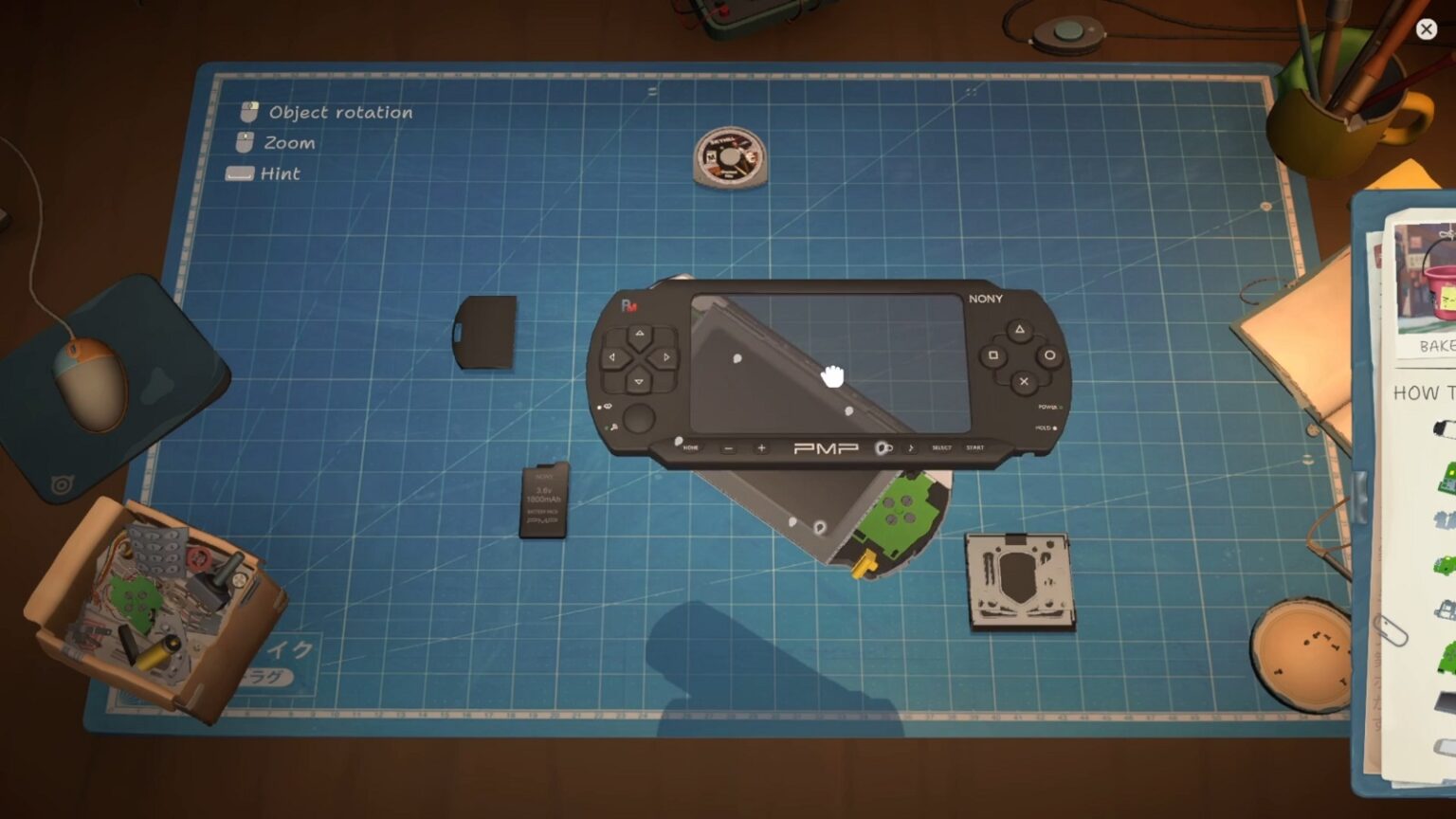
We didn’t know it back then, but the early 2000s were such a magical time for tech enthusiasts. It was a short period of time when electronic components were easily accessible and abundant, and just before the internet fully took over the world. It is during this time that we saw small repair shops thrive in places like Akihabara. Such is the kind of shop ReStory takes place in.
ReStory: Chill Electronic Repairs is a cozy simulator game where players run a small electronics repair shop for reasons we don’t know yet. The game features several iconic video game consoles, cell phones, music players, and other devices of the era to repair both at the request of customers and for your own resale purposes. Customers bring with them their own stories, and you can even influence the direction of these stories via dialog option choices.
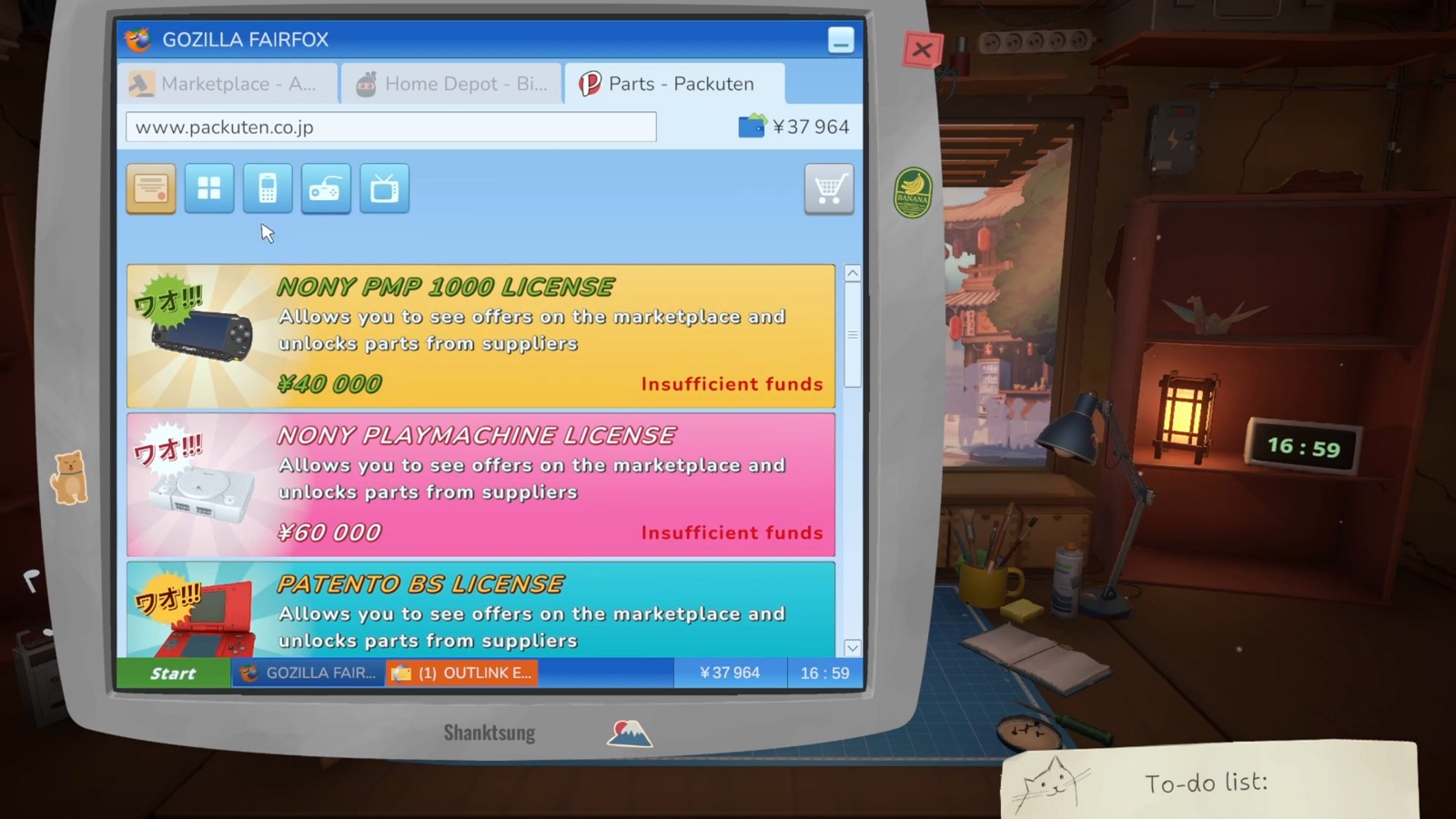
The demo encompasses the early part of the game. It covers the first few in-game days, but you can keep going as long as you want once you’ve completed the initial tasks. The demo technically ends after repairing your first ‘NONY PMP 1000’ at the request of a customer. You can keep going for as long as you want, purchasing a couple of more licenses and buying and selling said consoles for parts and profits, but as far as progression goes, that’s all there is to it. Which is already enough for you to know what the game is all about.
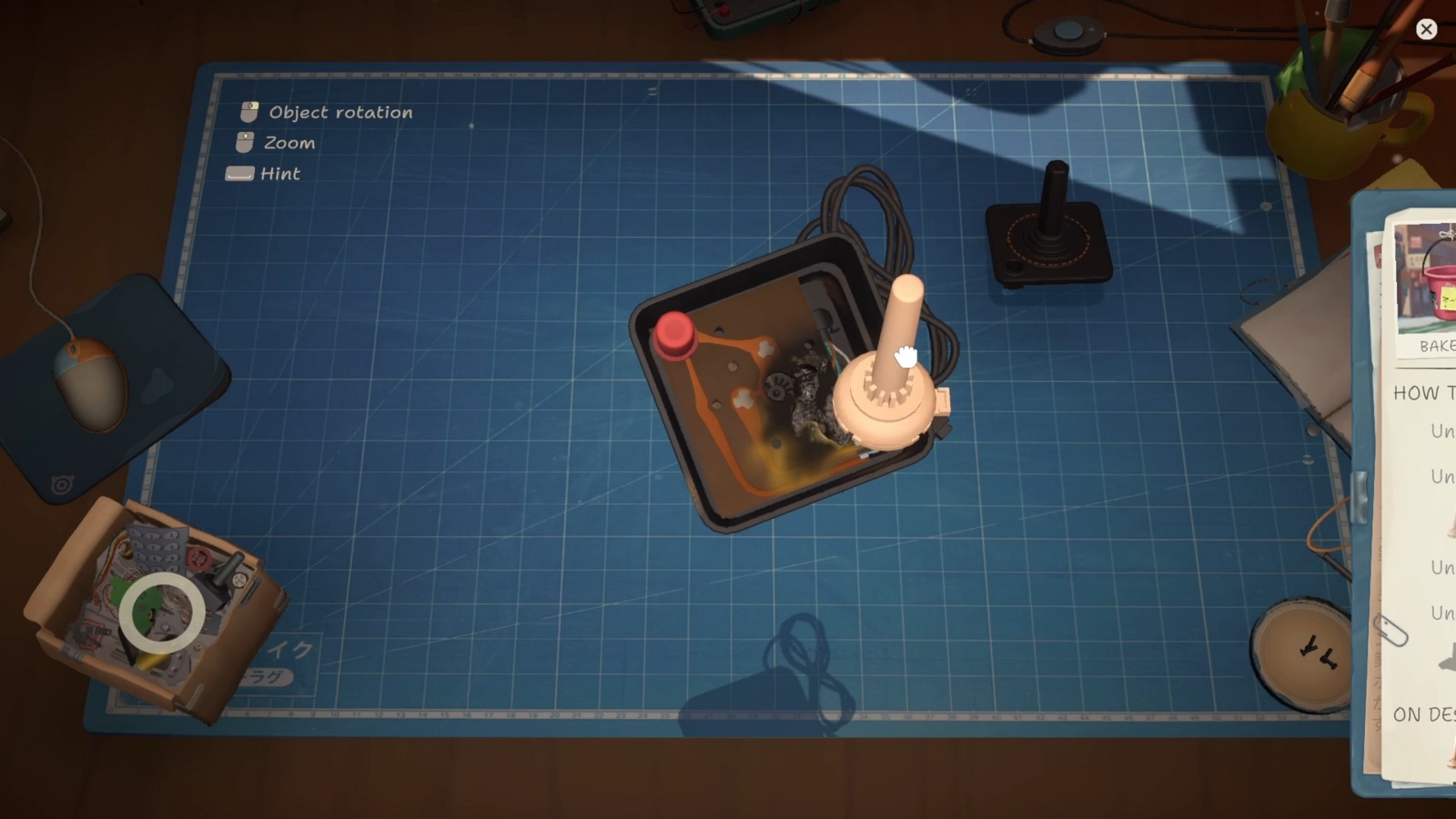
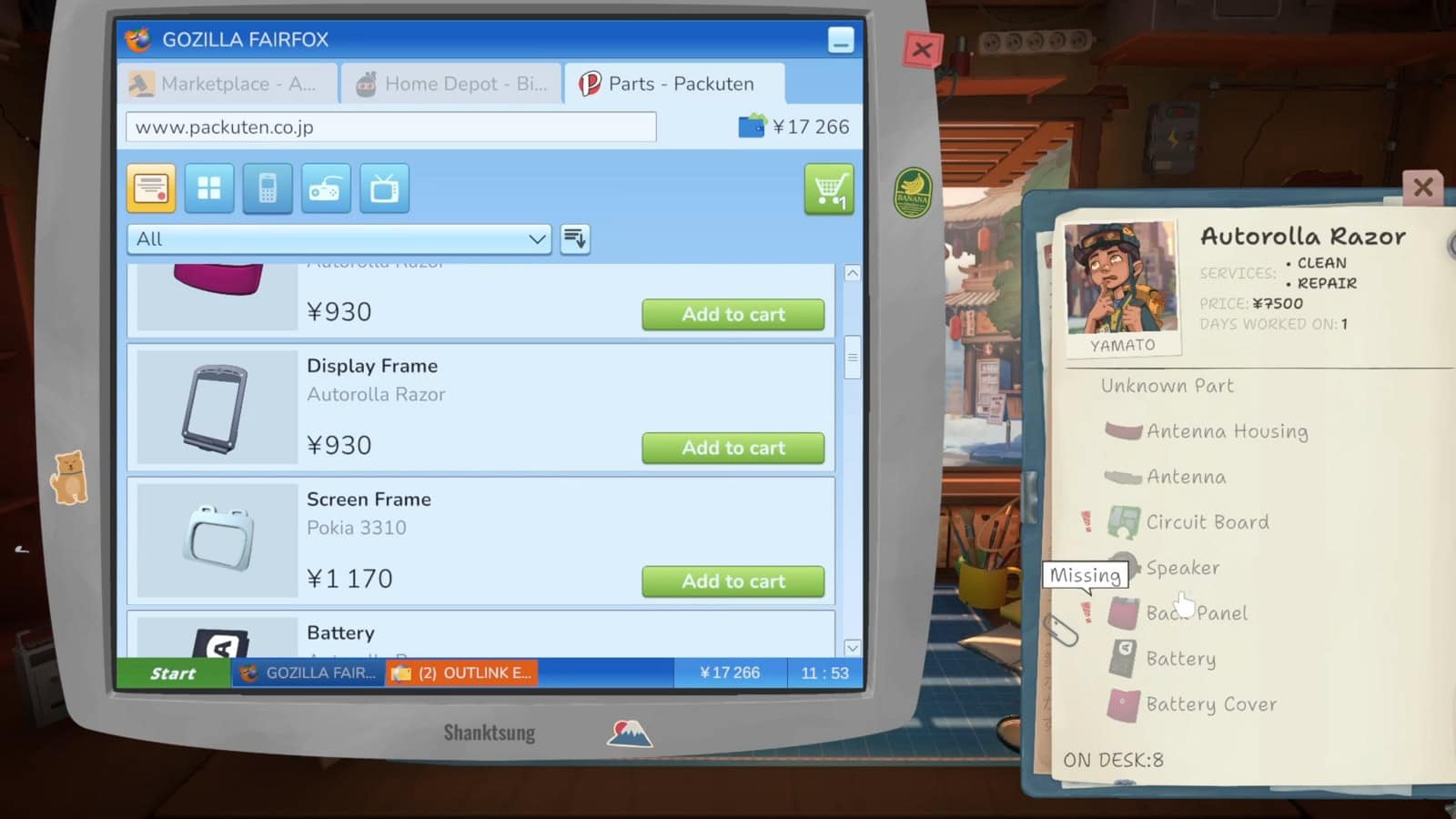
The gameplay revolves around taking apart gadgets, cleaning them, replacing faulty parts, and putting them back together better than new. During the course of your shop tenure, players get more licenses to work on nostalgic devices inspired by iconic game consoles, handhelds, phones, home appliances, and other small devices. What sets this game apart from other cozy games is the ability to buy secondhand devices from the online marketplace to use as donor parts on devices you are tasked to repair. Better still, you can keep the rest of the parts in storage for use in later projects.
The demo sees the shop being visited by a handful of interesting characters who will request your assistance in repairing important items. During your time as the owner, you will run into genuinely cheerful and happy-go-lucky characters. And later on that evening, you can come across some of the shadier types of the city just before closing up shop. It’s been said that conversing with these characters can influence future decisions, ultimately changing how their personal stories go. The choices you make during the game can even change the game’s ending. I don’t believe we’re getting Yakuza levels of storytelling, but I’m surprised we’re getting a story that goes beyond me opening shop every day and building up my little business.
I suppose the biggest hurdle you are going to overcome is the financial situation you find yourself in. At least from the very beginning, it takes quite a bit of time and effort to earn enough money to buy the next license you need to advance the game. Is that even surprising? We are spending money buying spare parts, ordering tools, and surfing the web for secondhand deals. If not for some rush orders, I’d be spending literal days fulfilling online orders and being grateful for whatever business that shows up in my e-mail folder.
It’s also very likely that I have not been playing the game as optimally as possible. More on that further into this article.
As an older Millennial, my first exposure to Tokyo’s tech capital is a little-known show called Akihabara@Deep. Though the show explored the darker themes of Otaku culture and life there in general, it is the tech segments that really reminded me the most when playing this game. In fairness, the shop is most likely located in the quieter parts of Tokyo where people aren’t so jaded with urban life. I appreciate what this game is trying to accomplish by tapping into the better parts of nostalgia.
One thing that’s worth highlighting is that the repair process isn’t entirely grounded in realism. The parts are easy to keep track of, and your character takes notes of the teardown sequence, so you always know which parts need to go in what order. This makes for a smooth reassembly process after all the removals and cleaning in between.
It appears that you don’t actually need to keep upgrading tools. Upgrading a screwdriver to a motorized one helps with efficiency, but you don’t have to buy specialized tools to work on specialized screws. I think the only exception has got to be the sonic cleaners, as there are some kinds of deep rust that are best handled with constant vibrations. But that’s in real life. The tool is going to be part of the full, and yet we don’t really know how and when it’s going to be applicable.
There’s a bit more of an advantage to buying secondhand gadgets over buying new replacement parts. You will quickly realize that replacing multiple parts with new replacement parts once could really eat up potential profits. I learned that lesson too late after dealing with one too many gadgets with multiple failures and wondering why I didn’t make much money after repairing them. Well, that’ll be the last time I underestimate this “cozy” game.
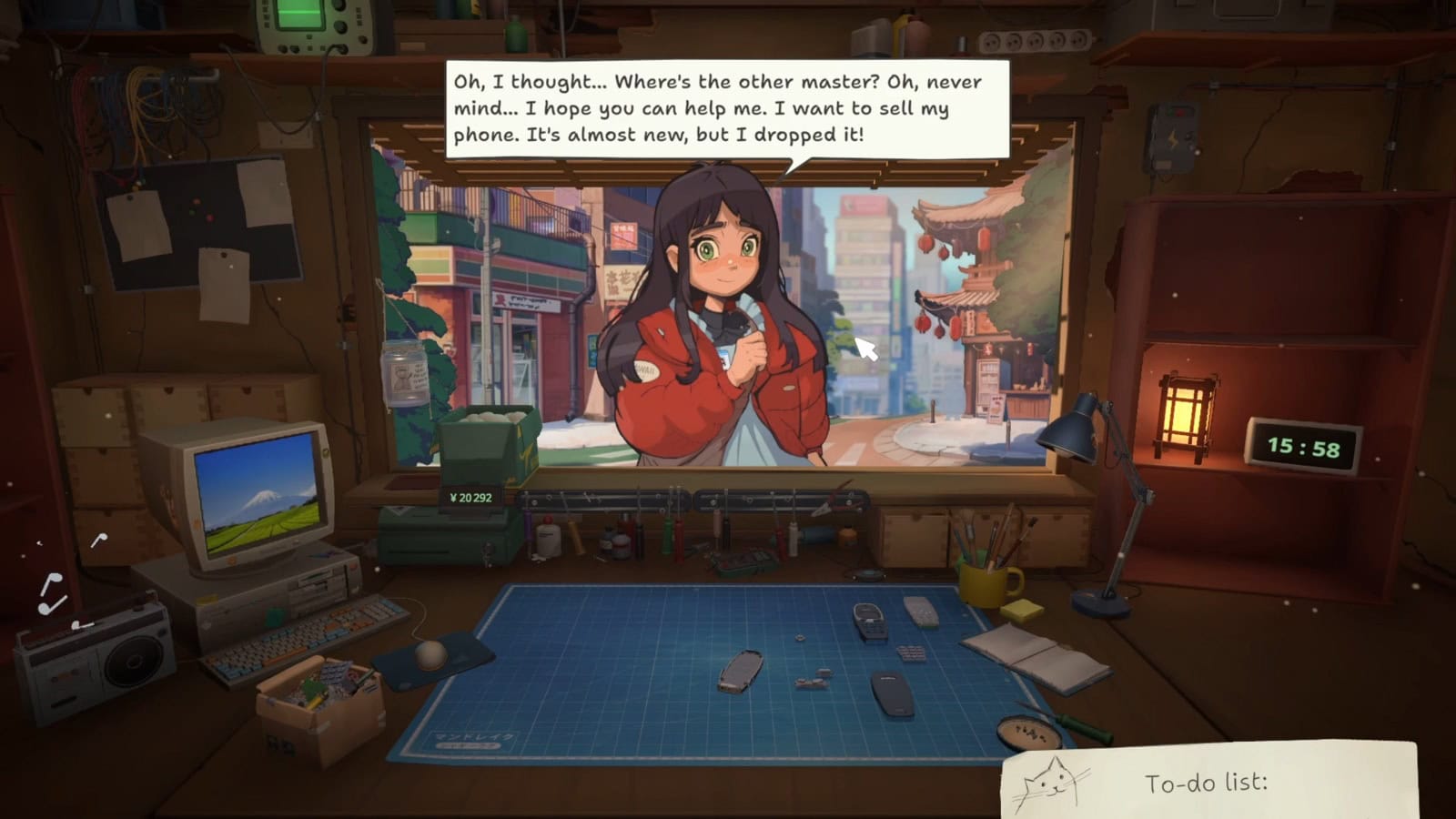
Presently, I have a couple of small concerns with the game at the moment. First, I have concerns about how the branching storylines affect which ending we ultimately get to see. In most repair simulator games, the story is just part of the onboarding experience. It’s almost always about building a business up from humble beginnings. And I don’t doubt that by the end of the main story, that’s what we’ll be anyway. I’m just concerned that we’ll be forced to do multiple playthroughs with different dialog options just to have the same ending. I really don’t know. I’ll probably do one complete playthrough and then choose whether or not it’s worth going back right away.
The second concern I have is ‘what do we do about all the spare parts in storage?’ You know, eventually, we will reach a point where the entire store becomes one large storage room for spare parts. It doesn’t matter if the parts appear in cardboard boxes on the shelves or inside the big mystery box. There’s going to be a lot of odds and ends to deal with. It’d be funny if the store ends up looking like a scrap yard, assuming the player hasn’t already opted in for another playthrough.
When it comes to PC performance, the demo didn’t appear to have any issues on either the graphics side or the technical side. Not that I would expect huge draws for a game with JPEG characters. I do believe the biggest draw for me outside of the repairs is the characters and their stories. The designs are adorable and give off that Sunday morning cutesy cartoon look. The music is perpetually chill, perfect if you want to burn through a day’s worth of work orders without any distractions.
When all’s said and done, I expect ReStory: Chill Electronic Repairs to be every bit as charming as the game being advertised – an unassuming chill repair shop game with character stories added for good measure. The story options could be reason to return for a future playthrough, unless the game gets more updates and receives more licensed electronics. If that’s the case, we can only hope. For now, the best we can do is look forward to officially licensed products, like the iconic Atari consoles, and the chill vibe of urban life in a quiet corner of Japan.