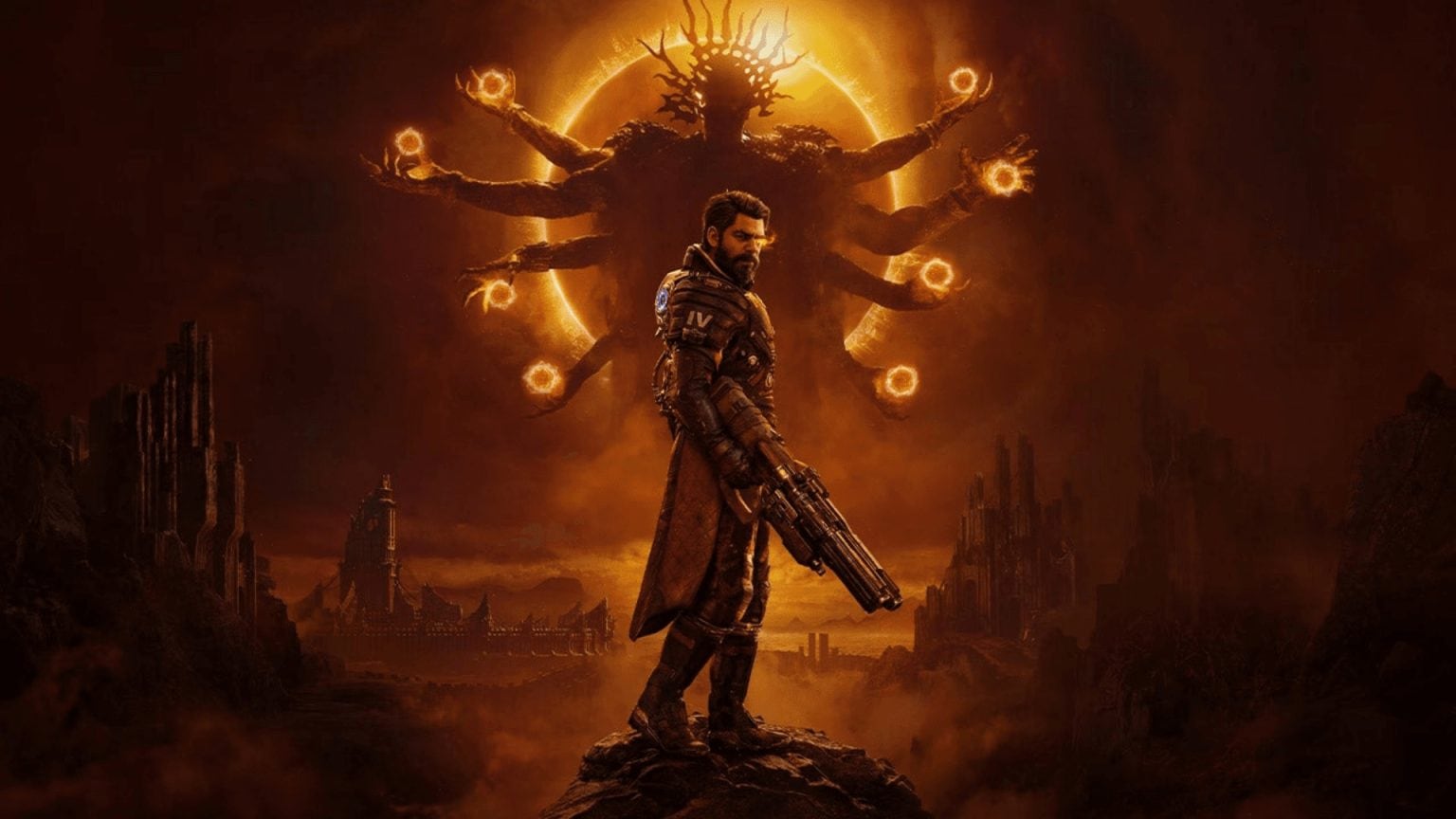
“Along the shore the cloud waves break, the twin suns sink behind the lake, the shadows lengthen… in Carcosa.”
Long before Saros, Robert W. Chambers imagined Carcosa in The King in Yellow, a real book orbiting a fictional play that shattered those who read it, and the tattered king who loomed behind it. Saros taps into that same fascination with revelation as poison.
Its Combat erupts in beautiful chaos, as those around you drift toward obsession and collapse. With each eclipse, Saros gives you every chance to soar, knowing every ascent draws you closer to the darkness it brings.
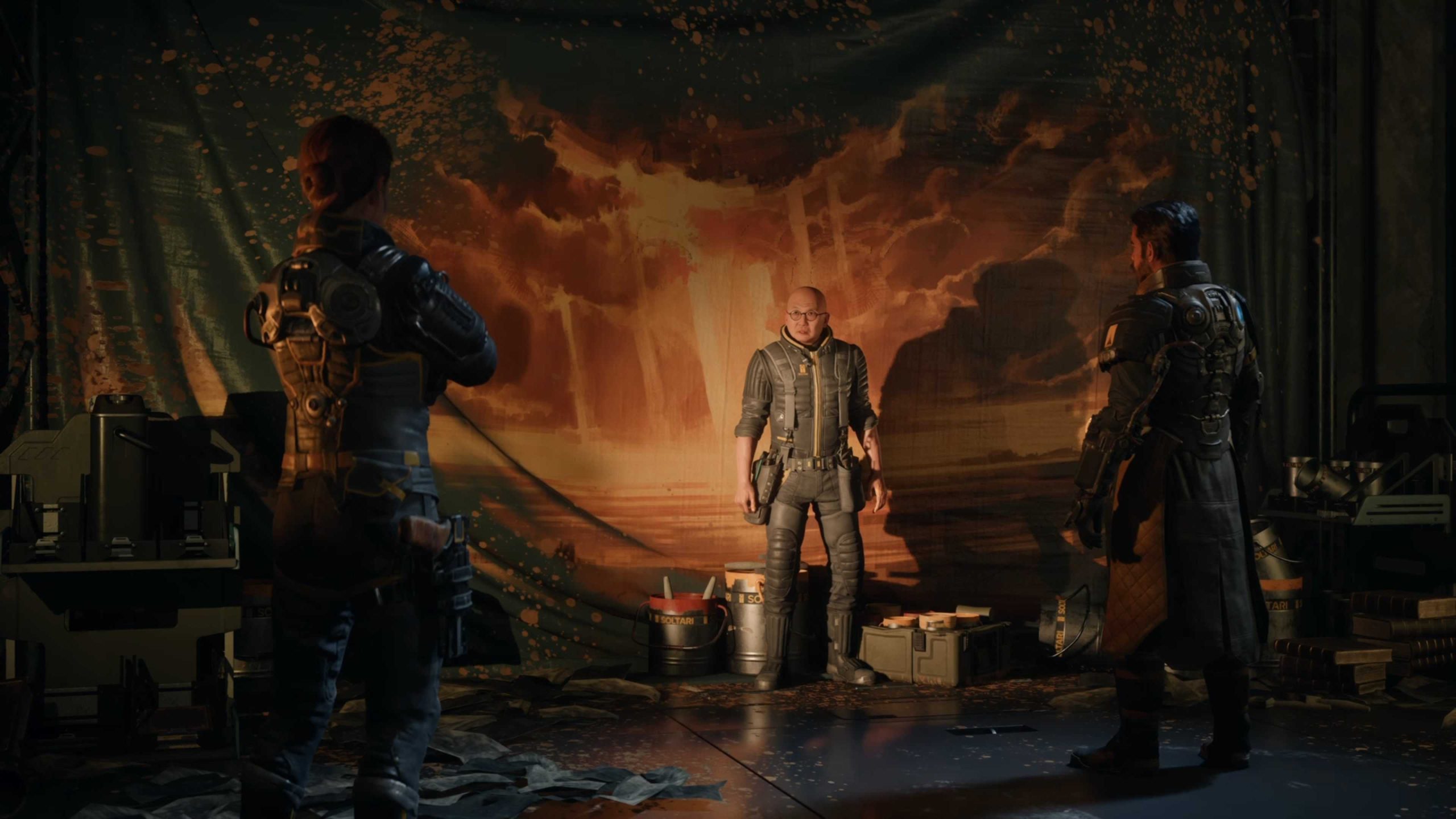
Saros seized me almost immediately. Not through spectacle, though it has plenty of that, but through the slow tightening pull of a mystery that seemed to know I would follow it. Every dim corridor, every broken transmission, carries the sense that something here has already failed.
Housemarque smartly leans into madness not as sudden hysteria, but as erosion. Crew logs splinter into paranoia, conversations trail off into dread, and certainty becomes one more resource in short supply. The deeper you push forward, the more Saros makes you question whether you are uncovering the truth or simply inheriting someone else’s delusion.
An engineer speaks with the thinning voice of someone watching hope leak out by degrees. Their captain tries to hold the mission together through discipline and routine, even as her own logs begin to unravel line by line.
Carcosa recalls the best space horror settings, carrying the paranoid distrust of The Thing, the hair-raising dread of Event Horizon, and the haunted melancholy of Solaris. Saros understands that some of the darkest things in space arrive with you.
What lingered most was how quickly that obsession became my own. I wanted answers to everything. What happened here, what Arjun had lost, what each eclipse changed, whether Carcosa was hiding the truth, or whether they, and, or I, were feeding something that only grew.
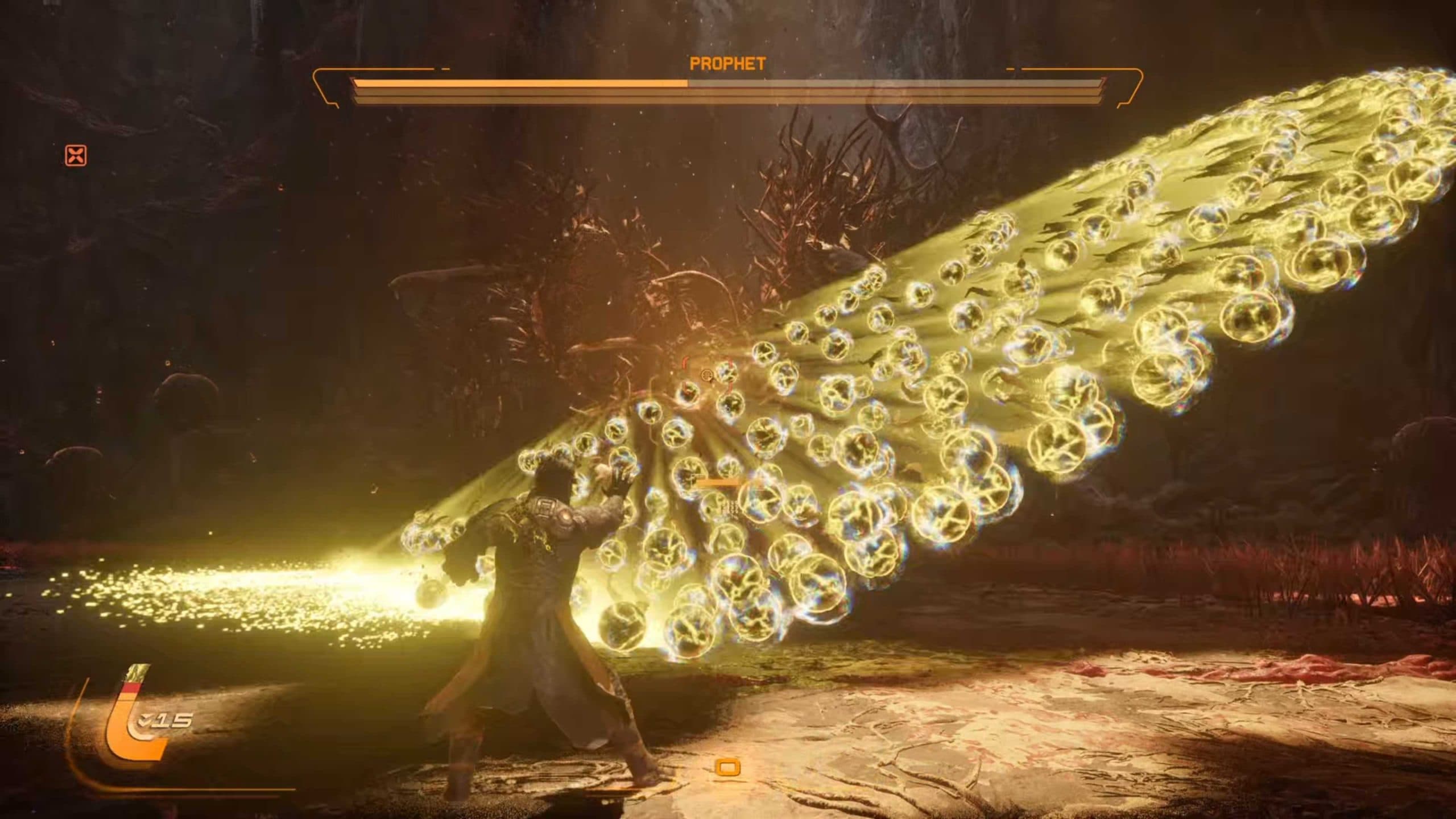
Housemarque understands that atmosphere alone is never enough. Beneath the literary echoes and ominous skies lies a combat system every bit as intoxicating as the world surrounding it. Where Returnal demanded constant movement, Saros adds another layer of thought through its new shield mechanic, letting you absorb incoming fire, convert pressure into power, and decide in an instant whether to stand your ground or keep dancing. That added complexity gives each encounter a sharper rhythm.
Enemy attacks no longer arrive from a single plane, but from above, at body level, and skimming low across the ground, turning firefights into split-second reads more akin to a fighting game than a traditional shooter. One moment you are leaping over a sweeping projectile, the next dodging through a spread of bullets before retaliating with a charged power weapon that tears the screen apart. Even color becomes part of the conversation. Blue shots can be absorbed and turned into momentum, yellow attacks force cleaner movement and with threats of integrity corruption, while red projectiles cut through safety entirely.
That rule of threes extends to your own survival. Dodge, shield, and a third late-game answer Housemarque wisely leaves for players to discover gradually transform combat from simple evasion into layered counterplay. Saros is not content with asking whether you can avoid danger. It wants to know how quickly you can interpret it.
Yet for all its visual chaos, Saros rarely feels unfair. Pressure comes less from randomness than from hesitation, from the split second spent doubting whether to dodge, block, or commit. It rewards confidence, punishes greed, and turns survival into its own kind of triumph. In that sense, Saros’ firefights mirror Carcosa itself: mesmerizing at a glance, punishing the longer you stare.
I made an early mistake with Saros: I played it like Returnal. I treated each run as a marathon, starting from the first biome and hoarding upgrades under the assumption that enough time and resources would eventually tilt the odds in my favor. It is the logic many roguelites teach you: stay alive long enough and momentum will eventually do the heavy lifting. Saros has little interest in that kind of inevitability. A long run can still end with you underprepared, overconfident, and quickly reminded that progression here is not a substitute for mastery.
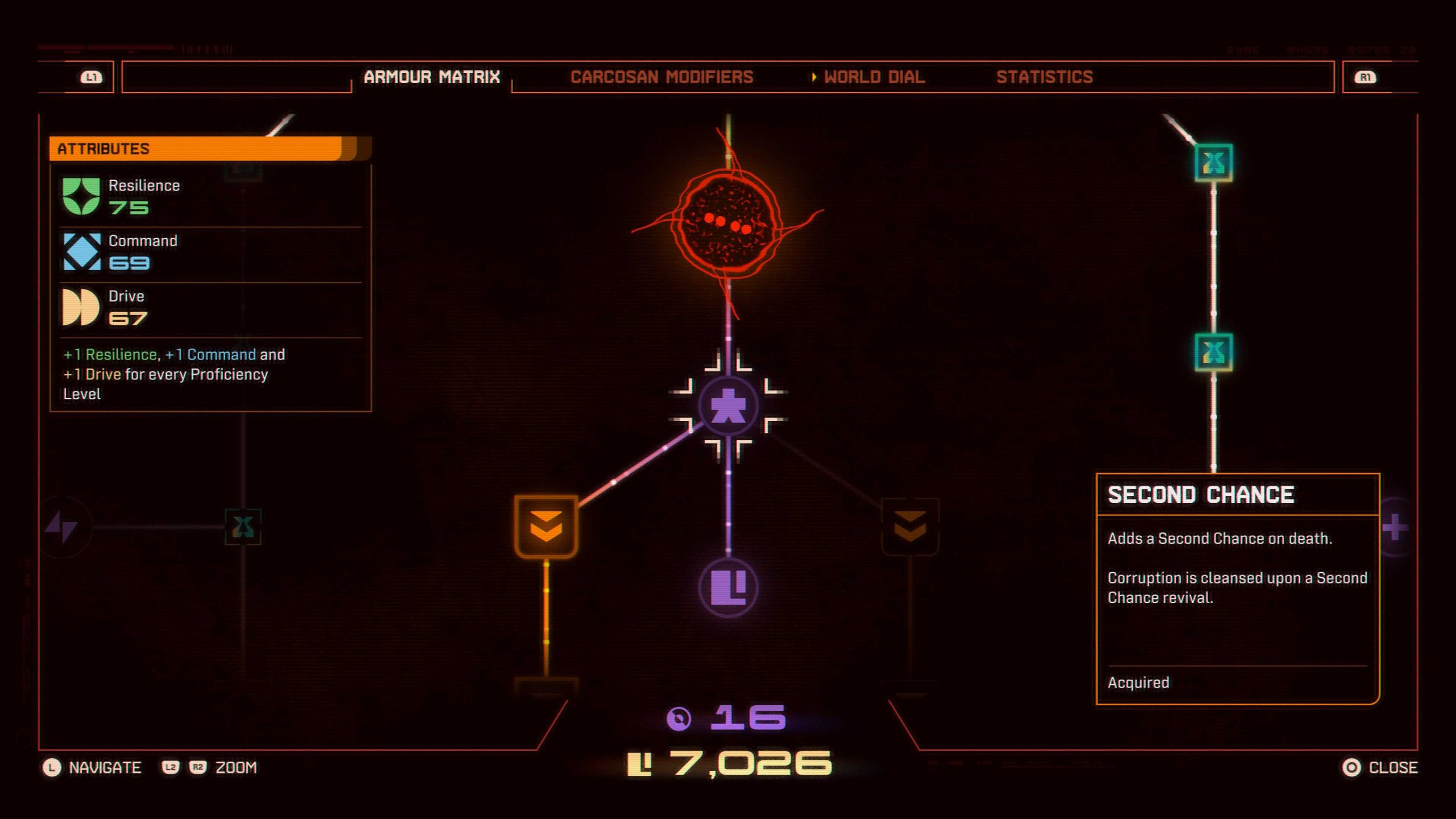
That does not mean growth is shallow. Far from it. Between runs, Saros opens a dense upgrade web that lets you spend resources on tangible improvements across nearly every part of your kit. Max health can be raised, healing efficiency strengthened, and corruption resistance improved to better survive the game’s nastier projectile effects.
Shield branches increase absorption windows, energy return, and cooldown recovery, turning defense into a more reliable source of offense. Other paths improve weapon proficiency gain, reload tempo, and power weapon output, making each new run ramp faster and hit harder.
Where the tree becomes most interesting is in how it begins steering style instead of raw numbers. Some upgrades reward aggressive play with stronger returns on risk, while others favor steadier survivability, cleaner resource income, or safer recovery after mistakes.
That flexibility is matched by one of Saros’ smartest structural choices: biome teleportation. Once a region has been reached, later runs let you jump directly back to it instead of replaying every earlier area in sequence. Gone is the old ritual of clearing Biome One simply to earn another chance elsewhere.
It is a deceptively important change. Retries feel targeted instead of padded, experimentation becomes easier to justify, and failure loses some of its bitterness because the game respects the time you have already invested.
Saros eventually grants access to a second chance, allowing some failed runs to continue where they otherwise would have ended. It adds mercy, but asks you to earn the rest. The climb remains demanding, but it no longer confuses repetition with progress.
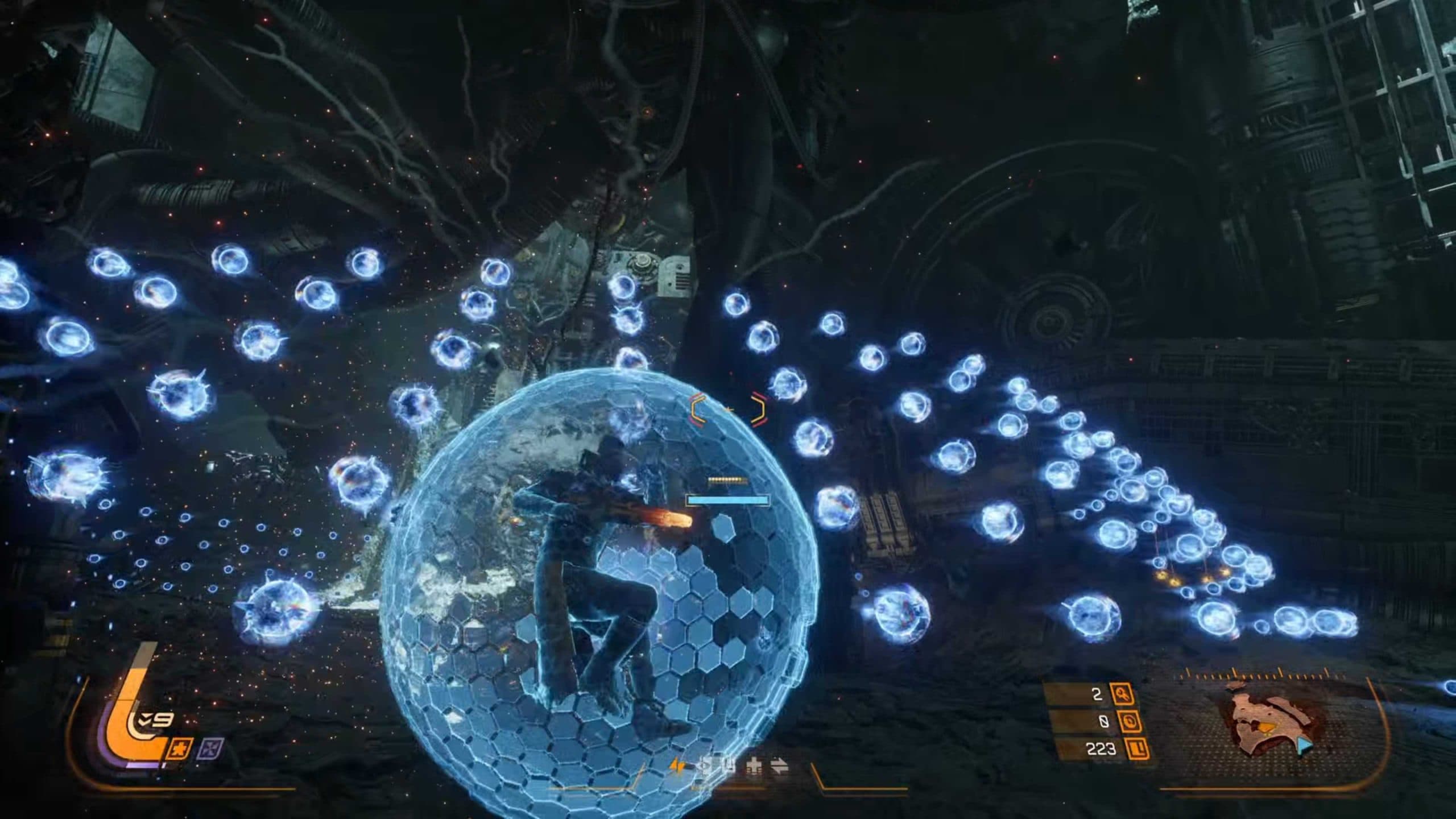
Saros is at its best when it reminds you that weapons are not pickups so much as decisions. Every gun arrives with the expected considerations of damage, reload speed, magazine size, and raw output, but Housemarque layers something richer on top through weapon attributes that can meaningfully alter how each run feels. One rifle may reward precision with stronger headshot multipliers, another lets shots pass through terrain, while a trusted sidearm suddenly gains extra projectiles that transform it from dependable fallback into something far more aggressive.
That makes each discovery more interesting than a simple numbers check. Do you swap to the stronger weapon whose rhythm you have not yet learned, or stay with the familiar one that feels instinctive in your hands despite falling behind on paper? Saros repeatedly asks versions of that question, turning loot into preference as much as power.
Power pistols reward confident accuracy, automatic rifles excel at sustained control, shotguns turn close-range nerve into instant violence, and crossbows launch devastating bolts that favor patience and cleaner reads. Few weapons feel redundant because each nudges you toward a different relationship with distance, tempo, and risk.
Alt-fire has also been smartly rethought. Where Returnal often treated it as a separate burst of overwhelming power, Saros uses it as a true secondary mode. Shotguns can shift into tighter vertical spreads, rifles trade standard rounds for slower homing shots, while pistols can be tuned into frantic trigger-tapping machines. These are less panic buttons than extensions of identity, giving each weapon more ways to express itself mid-fight.
Power weapons are where Saros keeps its emergency exits. Fully depressing L2 unleashes these heavier tools, and they hit with the authority their name suggests. Some resemble compact rocket launchers built for immediate devastation, while others like the Dispiritor release homing cells that latch on and drain enemies over time. More are scattered throughout the adventure, each tailored to different instincts burst damage for aggressive pushes, sustained pressure for safer control, or crowd-clearing force when arenas begin to close in.
It also serves as one of the best showcases yet for the PlayStation 5 DualSense Wireless Controller. The tactile distinction between pressing L2 halfway for alt-fire and pulling it fully for power weapons is so clear and intuitive that I almost never triggered the wrong action. In the middle of Saros’ chaos, that kind of physical readability matters, turning split-second decisions into instinct rather than fumbling guesswork.
As the final bullet found one of Saros’ towering bosses, my heart was already beating above 120bpm, the same figure I usually earn climbing hills rather than staring at a screen. I had to pause the damn thing just to let it settle. There is something fitting about a game so obsessed with madness making your body forget you were ever sitting still.
In Saros, danger rarely arrives alone. Lovecraftian squid-like creatures drift through the air in uneasy packs, carving sudden flybys while peppering the battlefield with shots. Brutes hold the opposite philosophy, thick with health and blunt intent, either charging straight through your plans or hurling heavy projectiles from afar. Mechanical units bring a colder cruelty, washing arenas in blankets of colored fire that turn each step into a wager.
That constant theft of attention is why aim assist feels less like generosity and more like mercy. Several weapons arrive with auto-aim enabled by default, and amid Saros’ storms of movement, shifting priorities, and layered projectile patterns, it often feels necessary. You can switch it off, of course, but many players may quickly remember why it was offered in the first place. When the game is already asking you to read lanes, track flanks, manage cooldowns, and decide whether to dodge, shield, or commit, precision becomes only one burden among many.
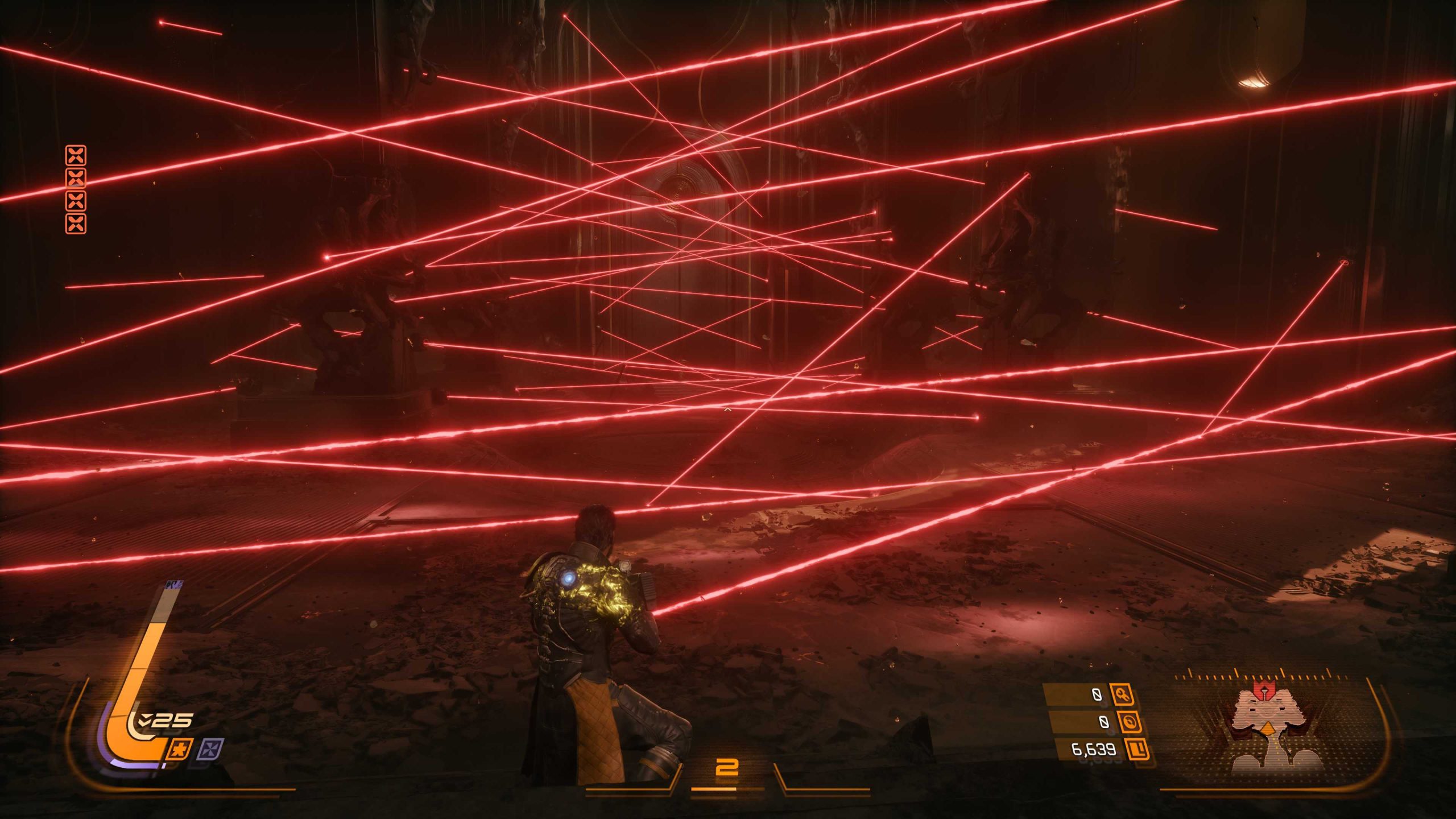
Then come the elites. They include Priest-like figures drag slow-creeping lasers across the ground like judgment, steadily shrinking safe space until panic becomes the real attack. Floating spheres release swarms of tracking bullets that bend the air toward you, turning open arenas into traps. Leave them alive too long, and the fight begins to move to their rhythm instead of yours.
Bosses are where all of this becomes unmistakable. Housemarque understands that a great boss should not simply absorb bullets, but expose how little you still know. New phases arrive with altered cadences, added hazards, shrinking pockets of safety, and attacks that seem impossible until they suddenly are not. Beneath it all sits a haunting score that swells and soars with the fight.
They are rarely battles you casually first-try. They ask for defeat, reflection, and a kind of obsession that begins to mirror the game itself. I reached that all-too-familiar point where a boss stopped being a fight and became a fixation: dying over and over, watching my replays, dissecting mistakes. In this madness I found it beautiful.
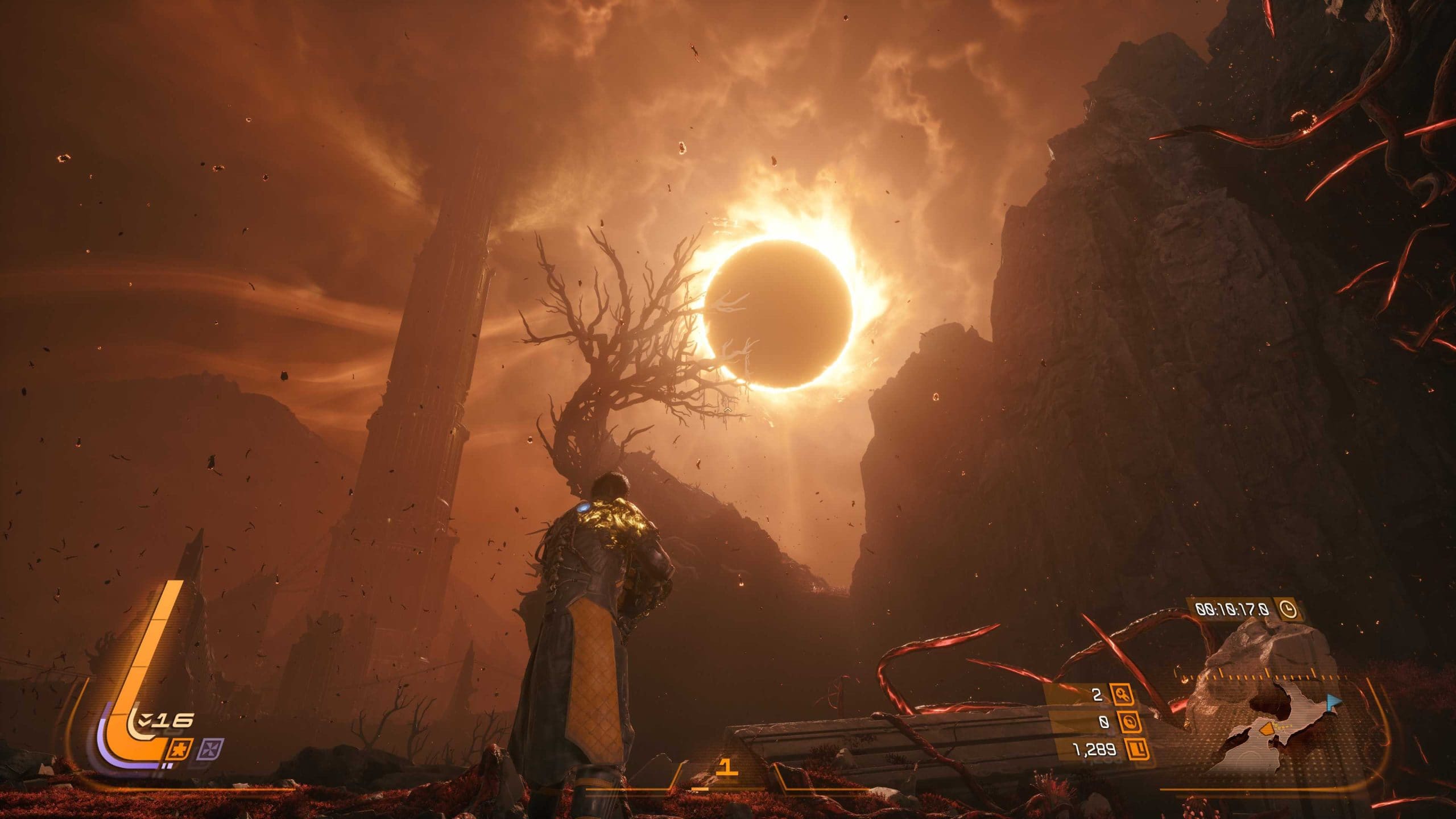
Eclipses are one of Saros’ smartest recurring ideas, serving as both spectacle and system. When one descends, the world itself seems to tilt. Biomes once washed in cold blues and distant dread are recast in orange and yellow hues that better reflect the game’s fixation with revelation, madness, and decay. The soundscape shifts with it, trading haunting choral textures and hollow ambience for harsher strings and distorted feedback, as though Carcosa itself has become less patient.
The change is not merely cosmetic. Enemy projectiles grow more hostile, with safer blue patterns giving way to deadlier yellow attacks that corrupt integrity and reduce your maximum health. Routes once sealed can open, hidden paths become reachable, and certain encounters transform into something far less forgiving than before.
Some eclipses are required, triggered through altars to push deeper into the world. Others remain optional, tempting players with greater rewards in exchange for heightened danger. It is an elegant risk-and-reward mechanic, one that turns a shift in atmosphere into a meaningful decision.
Saros eventually introduces Carcosan Modifiers, one of its smarter ideas for players who want to shape the experience to their own taste. Rather than offering simple difficulty presets, the game hands you a pool of modifiers where each choice carries both a benefit and a cost. You might improve reload timing or boost damage dealt, but those gains arrive tied to drawbacks that prevent runs from becoming effortlessly comfortable.
The system is built around a required threshold, meaning you cannot simply stack every favorable option and walk away with an easy victory. You are asked to balance advantages against penalties until the run meets the conditions to begin. It turns preparation into its own form of strategy, deciding not only how strong you want to be, but what kind of trouble you are willing to invite in return.
There is, however, a welcome reprieve tucked into the settings. An optional toggle allows players to ignore those usual limits and stack as many improvement modifiers as they like, effectively serving as an easier-mode switch for those who want a more forgiving path through Carcosa.
What makes the broader system smart is that the ceiling runs in the opposite direction as well. While Saros resists becoming too easy by default, it is more than willing to let players make things brutally difficult if they choose. It is a flexible, confident design that trusts players to find the version of Carcosa they want to survive.
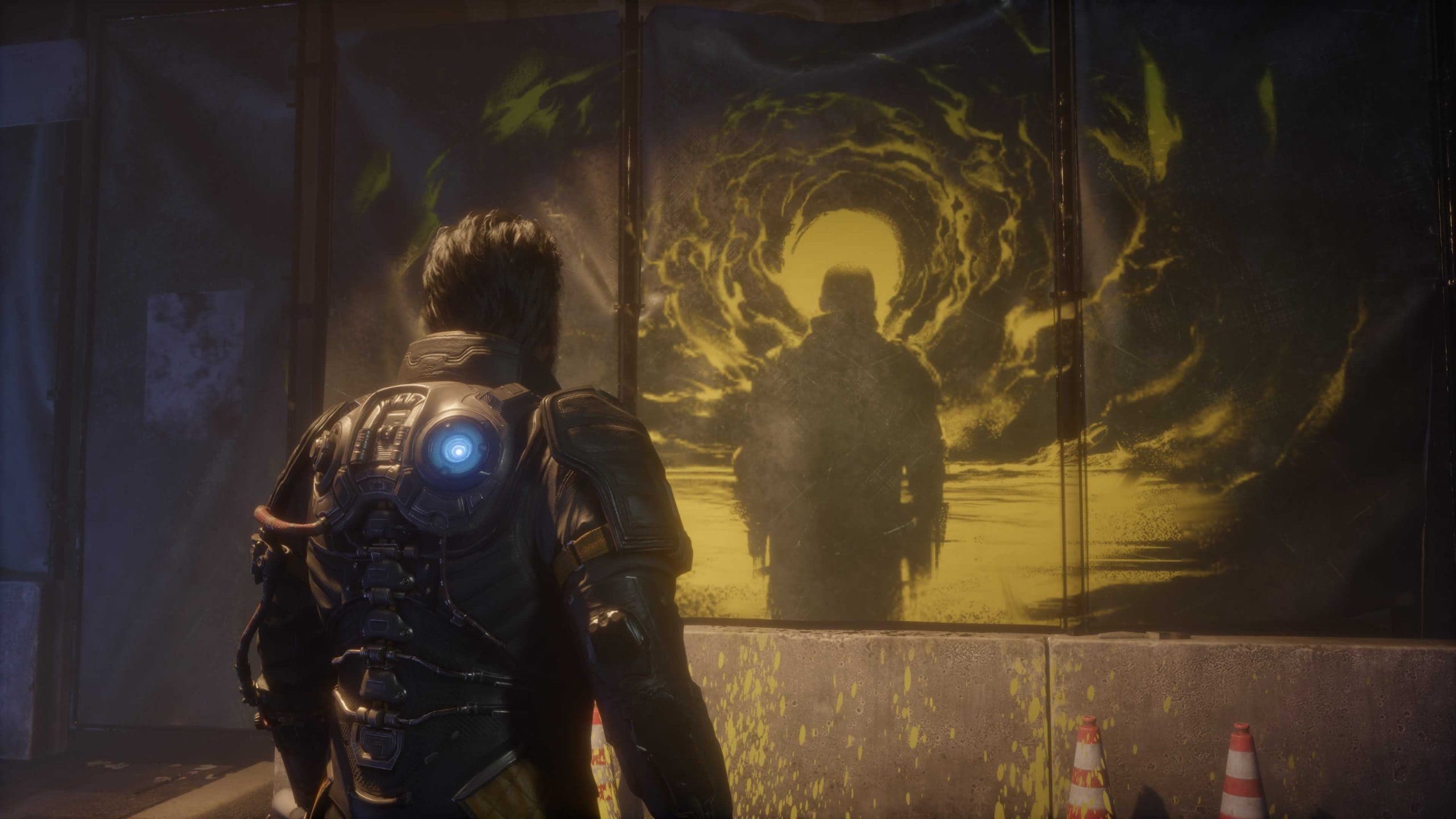
Saros made me realize how much a slight shift in light can alter everything. Gold is the colour of divinity, power, something almost sacred in its shine. Let it darken into yellow, and the same glow begins to speak of decay, rot, and madness.
Saros is a triumph in every sense. Its moment-to-moment gameplay keeps you constantly on your toes, while a hair-raising score of organs and strings carries each encounter with distorted riffs and soaring notes. Around it all sits an enigmatic mystery that pulls you forward, delivering an experience that is both accessible and punishing in equal measure. It is Housemarque at full power.
You will fall on this journey more times than you would like, but if you can look past that disappointment, and catch it in just the right light, you may notice the faintest tinge of growth.
To err is yellow. To rise again, divine.
Or perhaps it is only madness, shining differently in the light.
This review is based on a review code provided by the developer/publisher.
SAROS (PS5)
Saros is a triumph in every sense. Its moment-to-moment gameplay keeps you constantly on your toes, while a hair-raising score of organs and strings carries each encounter with distorted riffs and soaring notes. Around it all sits an enigmatic mystery that pulls you forward, delivering an experience that is both accessible and punishing in equal measure. It is Housemarque at full power.
The Good
- Exhilarating Combat
- Hair raising Music and Score
- Balance of Accessibility and Challenge
- Dazzling Atmosphere
- Gripping Mystery
The Bad
- None