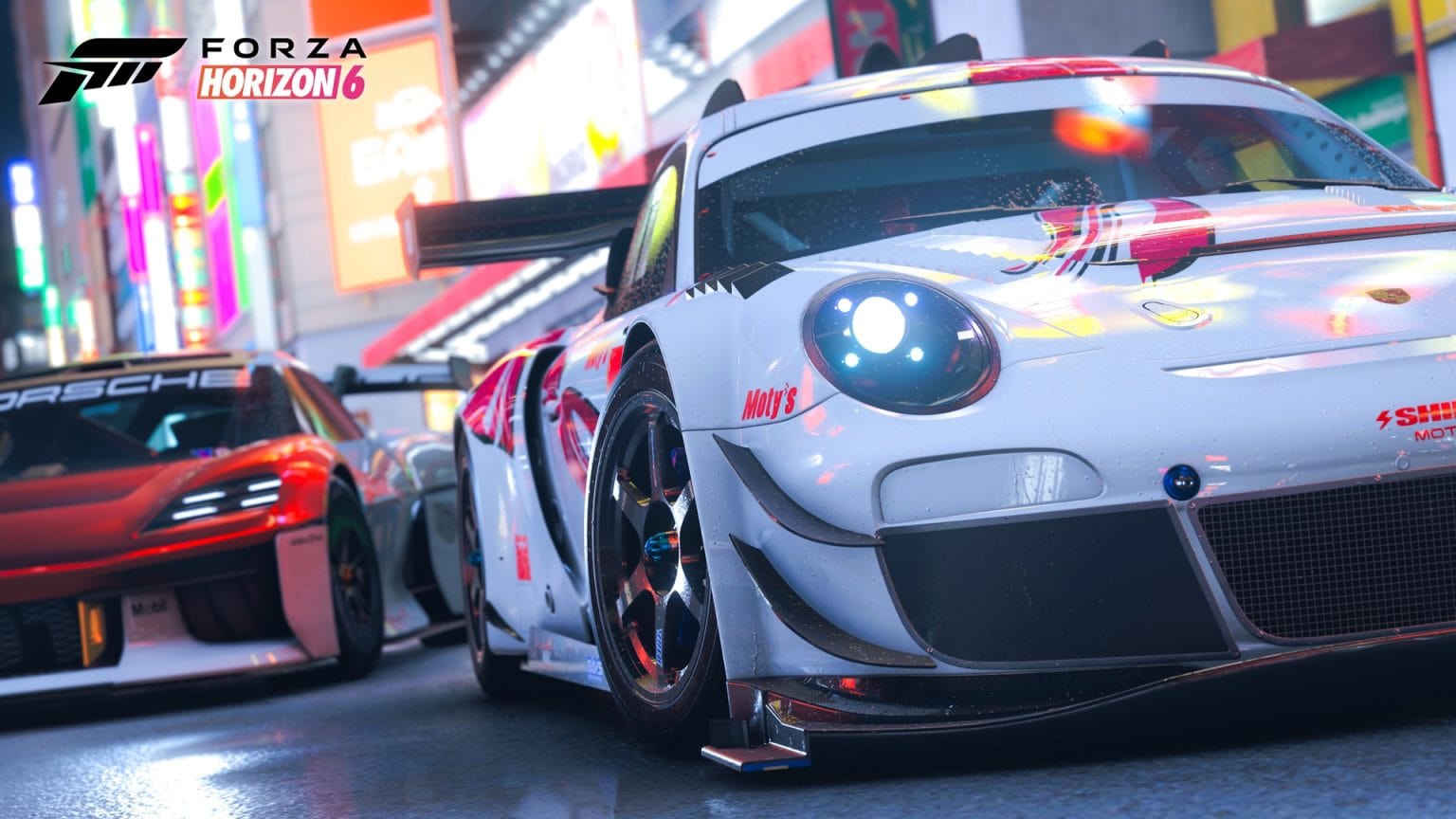
Developed by Playground Games and published by Xbox Game Studios, Forza Horizon 6 finally takes the festival to Japan, a setting fans have been asking for across multiple entries. That matters because Japan is not just another pretty backdrop for this series. It brings a specific set of expectations with it. Neon-lit city streets, mountain roads, drifting culture, JDM legends, and that very particular fantasy of pushing a tuned car through tight corners with the city or countryside rushing past you.
I’ve always leaned more toward muscle cars, which is probably why Horizon has consistently worked for me no matter the setting. Give me a Ford Mustang, a Dodge Challenger, or anything loud, heavy, and unapologetically aggressive, and I’m immediately comfortable. That’s the side of car culture I naturally gravitate toward.
But Japan changes the conversation a little. Forza Horizon 6 is the first Horizon game where I genuinely found myself pulled deeper into the JDM side of things, and a lot of that came down to the Mitsubishi Lancer Evolution X. There’s something about taking a car like the Evo through the tighter mountain roads, feeling how planted it stays through corners while the road keeps folding into itself, that completely changes how you approach driving. It stops being about brute force and starts becoming about rhythm, grip, and momentum.
That shift alone says a lot about how effective the setting is. It is not a revolution. It is still very much Horizon. But it is Horizon with one of its strongest maps, one of its best driving environments, and a setting that finally gives the formula a fresh pulse.
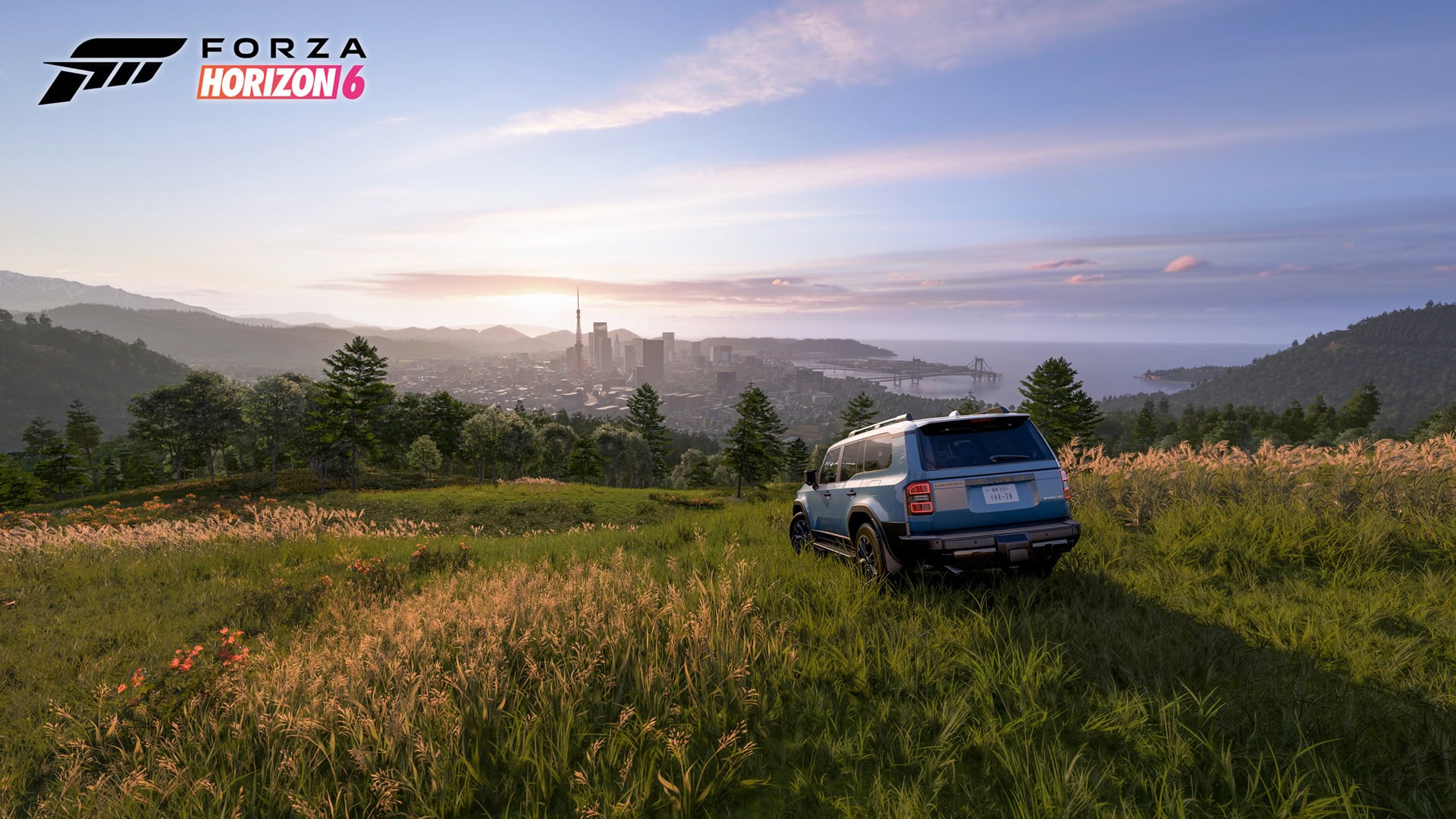
The biggest thing Forza Horizon 6 gets right is understanding that Japan is more than just a backdrop. This isn’t simply Horizon with cherry blossoms and neon signs pasted over the usual formula. The roads themselves change the fantasy.
Previous Horizon games often encouraged speed first. Mexico in Horizon 5 was beautiful, but many of its roads felt too open to demand much precision. Japan feels tighter, more technical, and more deliberate. The mountain passes naturally push you toward a different style of driving where rhythm and control matter more than raw horsepower.
That’s where the JDM culture side of the game starts to click. You begin to understand why the community has wanted this setting for years. The roads feel built for drifting, grip racing, and late-night drives through narrow urban streets. Even the parking areas and car meet spots carry that atmosphere Horizon has occasionally flirted with before but never fully captured.
The Evo X became one of those cars I kept returning to because it fit the roads better than I expected. It didn’t replace my love for muscle cars, but it made me understand why so many players have been begging Horizon to go to Japan for years.
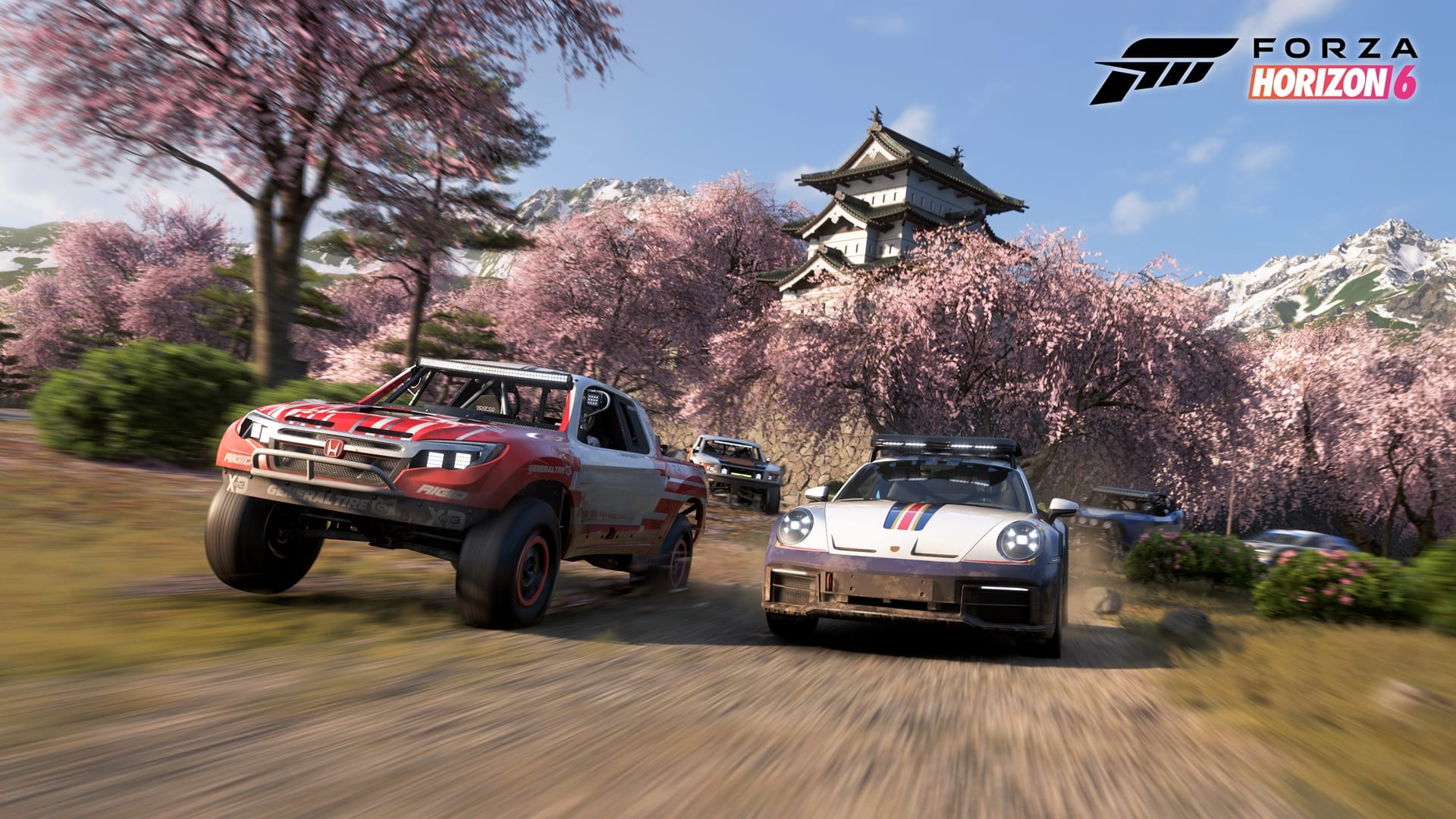
It would have been impossible for Forza Horizon 6 to go to Japan without people immediately thinking about drifting. Whether it’s Initial D, Tokyo Drift, or just years of internet car culture admiring mountain roads and midnight street racing, the expectation was always going to be there. The surprising thing is that Horizon 6 actually earns it.
Previous Horizon games had drifting, sure, but it often felt disconnected from the map itself. You’d drift because the mechanics allowed it, not because the roads naturally encouraged it. Japan changes that completely. The tighter mountain routes, elevation changes, and narrower roads finally make drifting feel like part of the environment instead of a side activity.
And honestly, this is where my perspective shifted a bit. I’ve always leaned more toward muscle cars. My instinct is still to grab a Mustang and throw raw horsepower at a straight road. But once I started taking the Evo X through some of the mountain sections at night, I finally understood why people obsess over this side of car culture. There’s a rhythm to it that feels completely different from the kind of driving Horizon usually emphasizes.
You stop thinking purely about speed and start thinking about flow. The road becomes something you read rather than overpower. The game never directly recreates Tokyo Drift moments, but there were absolutely times where I caught myself thinking about those kinds of scenes while driving through the mountain passes with city lights bleeding into the distance. And for a Horizon game, that fantasy finally feels earned instead of implied.
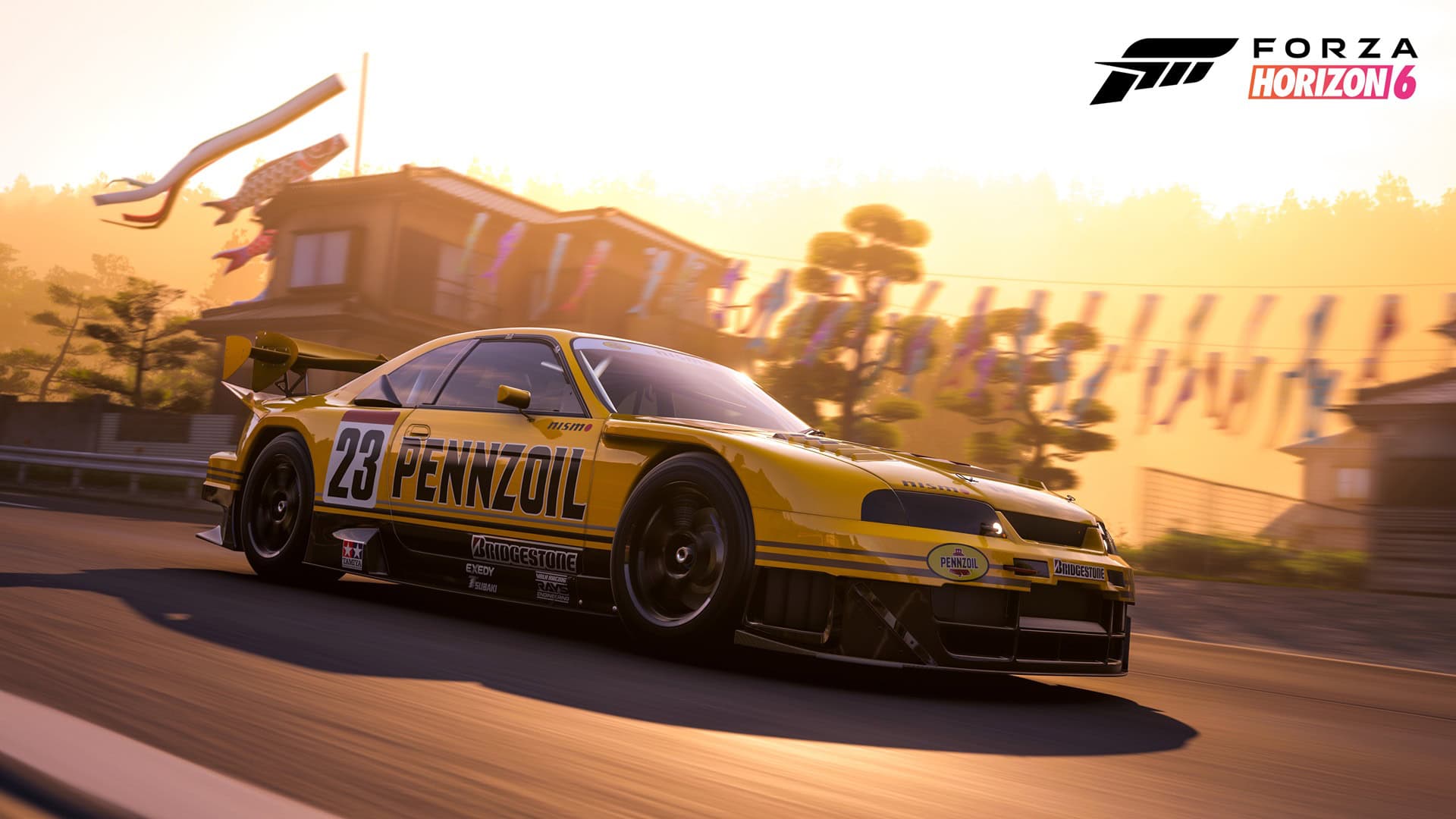
Forza Horizon has always had huge car rosters, but Horizon 6 is the first time in a while where the setting genuinely influences what I wanted to drive.
The game launches with over 550 vehicles, and while hypercars and exotics are still everywhere, Japan naturally shifts attention toward the JDM side of the garage. Cars like the AE86, RX-7 FD, Skyline GT-R R32, NSX-R GT, and Evo X don’t just exist here as checklist inclusions. The roads make them feel relevant.
That matters more than people realize.
In previous games, I would usually settle into American muscle almost immediately because the wider roads naturally favored that kind of power delivery. Here, I found myself constantly switching between cars depending on where I was driving. A Mustang still feels incredible blasting through highways at night, but the moment you move into tighter mountain roads, the balance shifts completely.
The improved customization also helps sell that identity. Japanese body kits, more detailed tuning options, and cleaner visual customization make the car culture side of Horizon feel more authentic than before, even if it still leans heavily into accessibility rather than simulation.
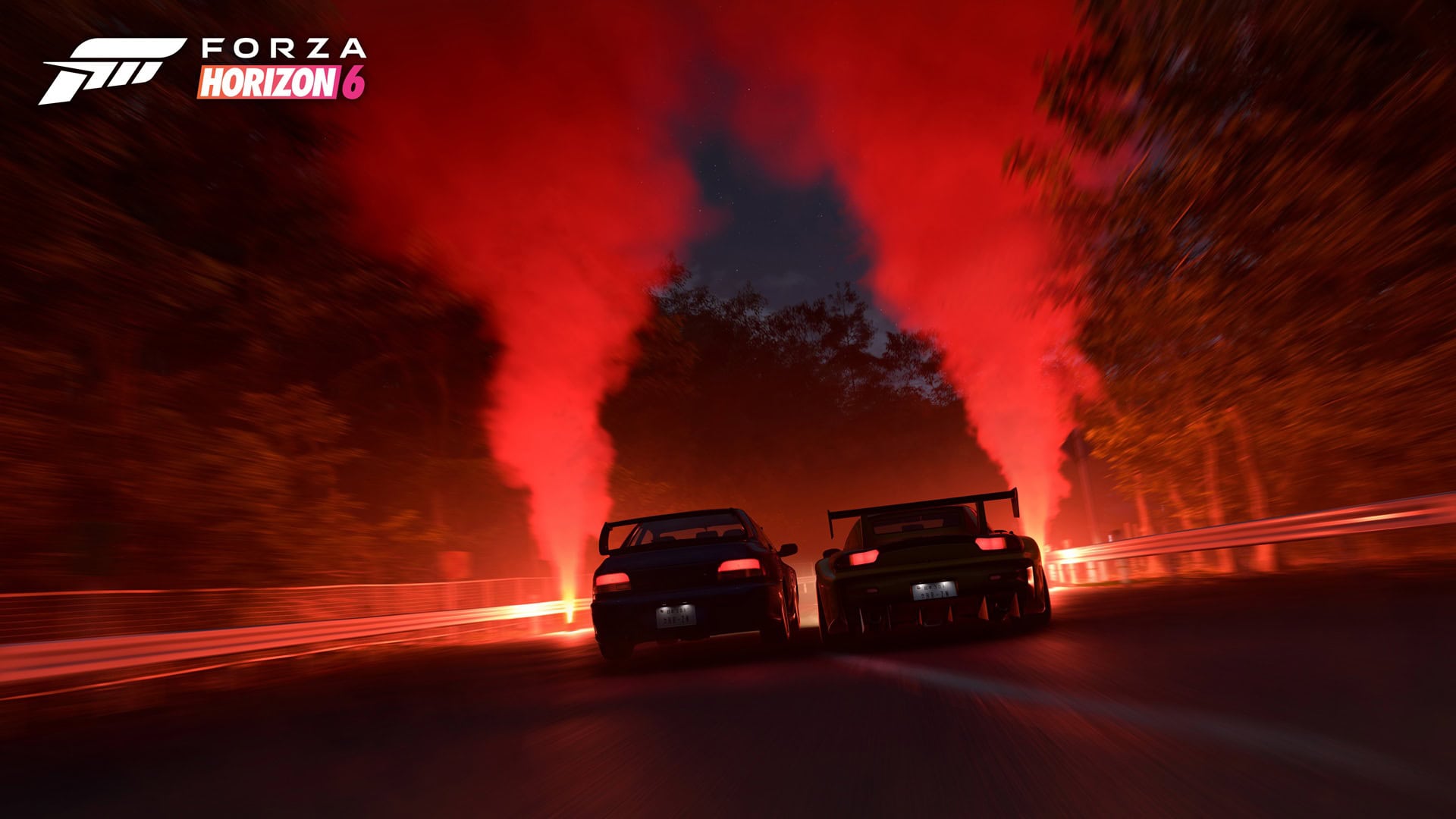
A lot of the conversation around Forza Horizon 6 comes down to one argument: is “more Horizon” enough? For me, mostly yes. The core structure is still familiar. You drive around a massive open world, jump into races, complete stunts, collect cars, unlock events, and get rewarded constantly. If you bounced off Horizon 5 because you wanted a complete overhaul, this will not suddenly change your mind.
But I also think people underestimate how strong this formula still is. Horizon works because it understands freedom. You can chase progression, tune cars, explore roads, take photos, drift for hours, or ignore the festival structure completely and just drive. That flexibility remains the series’ greatest strength.
The difference here is that Japan makes the loop feel more interesting moment to moment. A good map can hide repetition better than any progression system, and Horizon 6 has one of the best maps Playground has built.
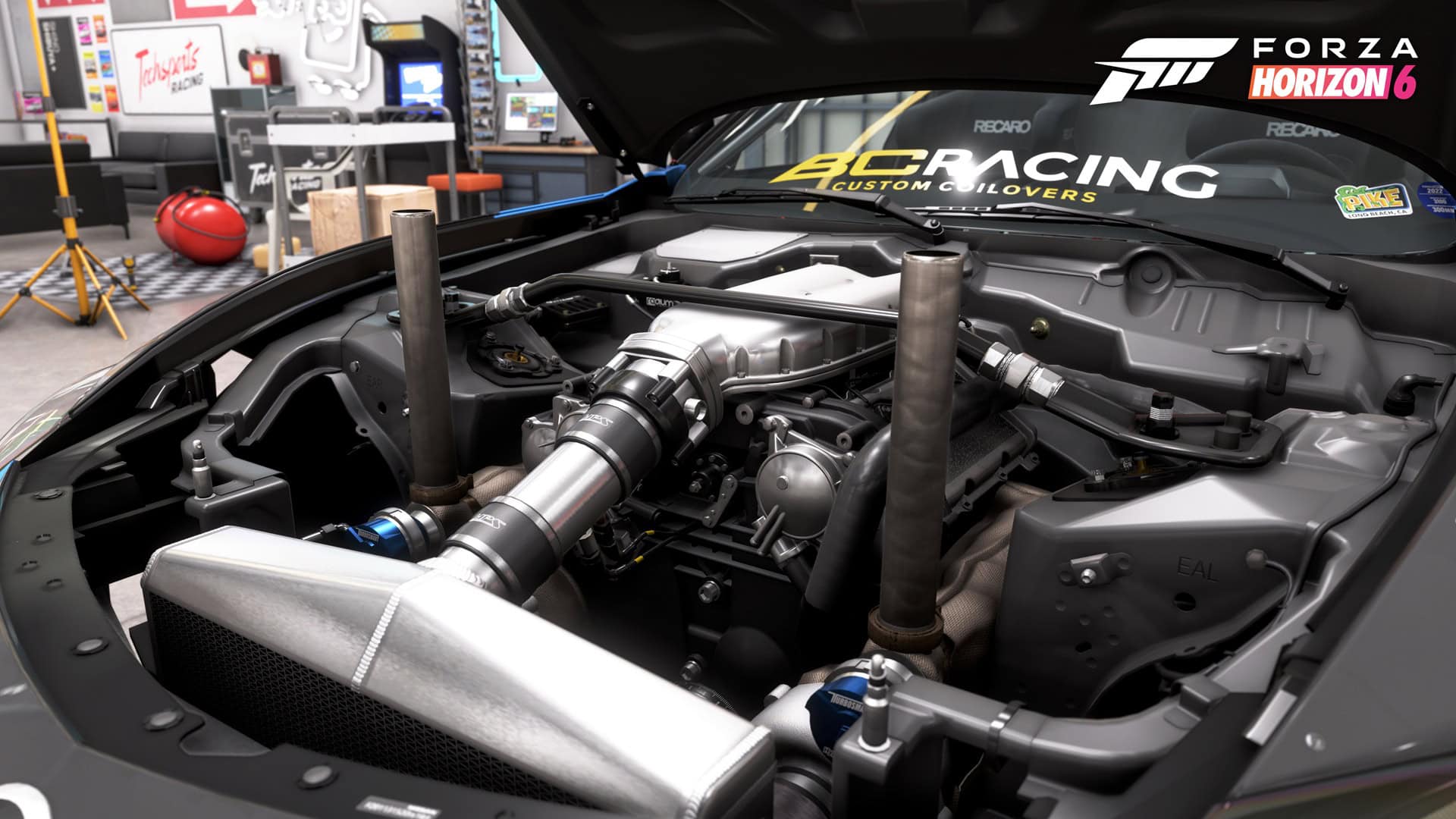
One of the biggest complaints around recent Horizon entries has been progression. Horizon 5 was generous to the point of making rewards feel meaningless. You could end up with high-end cars so quickly that the sense of earning your way up disappeared.
Forza Horizon 6 does try to address that. The return of a more structured wristband-style progression gives the game a stronger sense of direction, with players starting as tourists in Japan before qualifying and advancing through the Horizon Festival. I like this change. It gives the early hours more shape and makes the festival feel like something you are working through rather than something already handed to you.
But the problem is not fully gone. The game is still generous. Wheelspins, rewards, bonus cars, and event payouts still pile up quickly enough that players who want a slower, Gran Turismo-style climb may still feel underserved. I understand that frustration. There is something satisfying about starting with very little and building toward better cars one step at a time, and Horizon still resists going all-in on that kind of progression.
For me, the balance is better than before, but not strict enough to satisfy everyone.
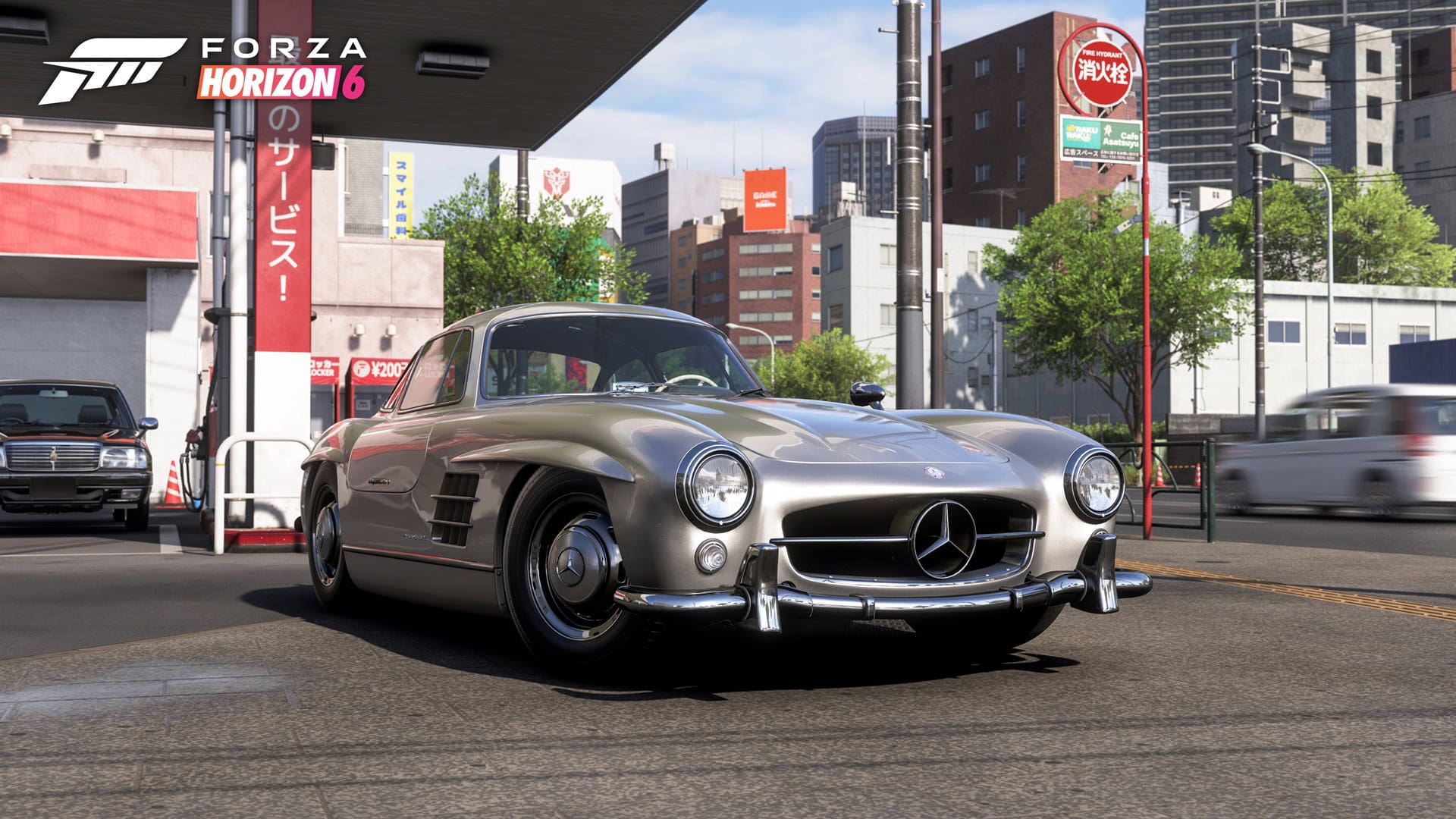
One thing Horizon has always understood better than most racing games is that collecting cars should feel exciting, not just transactional. That’s why the barn finds and the new Treasure Cars ended up being some of my favorite parts of Horizon 6. Racing is still the core of the experience, but these quieter moments of exploration give the world texture. They slow the pace down just enough to remind you that Horizon is also about discovery.
The new Treasure Cars work especially well because they lean into Japan’s atmosphere. Instead of simply finding abandoned vehicles hidden in barns, you’re tracking down iconic cars through visual clues and environmental hints. Some are tucked away in mountain regions, others hidden deep within urban spaces, and finding them feels less like checking off collectibles and more like uncovering pieces of car culture history.
As someone who has always loved barn finds in previous Horizon games, Horizon 6 feels like the first time the setting itself truly elevates those discoveries. Finding a forgotten car hidden away in rural Japan simply carries a different kind of mood compared to previous entries.
And honestly, that’s the side of Horizon I’ve always enjoyed most. Not the giant festival spectacle or wheelspins every five minutes, but the moments where the game quietly lets you stumble onto something memorable.
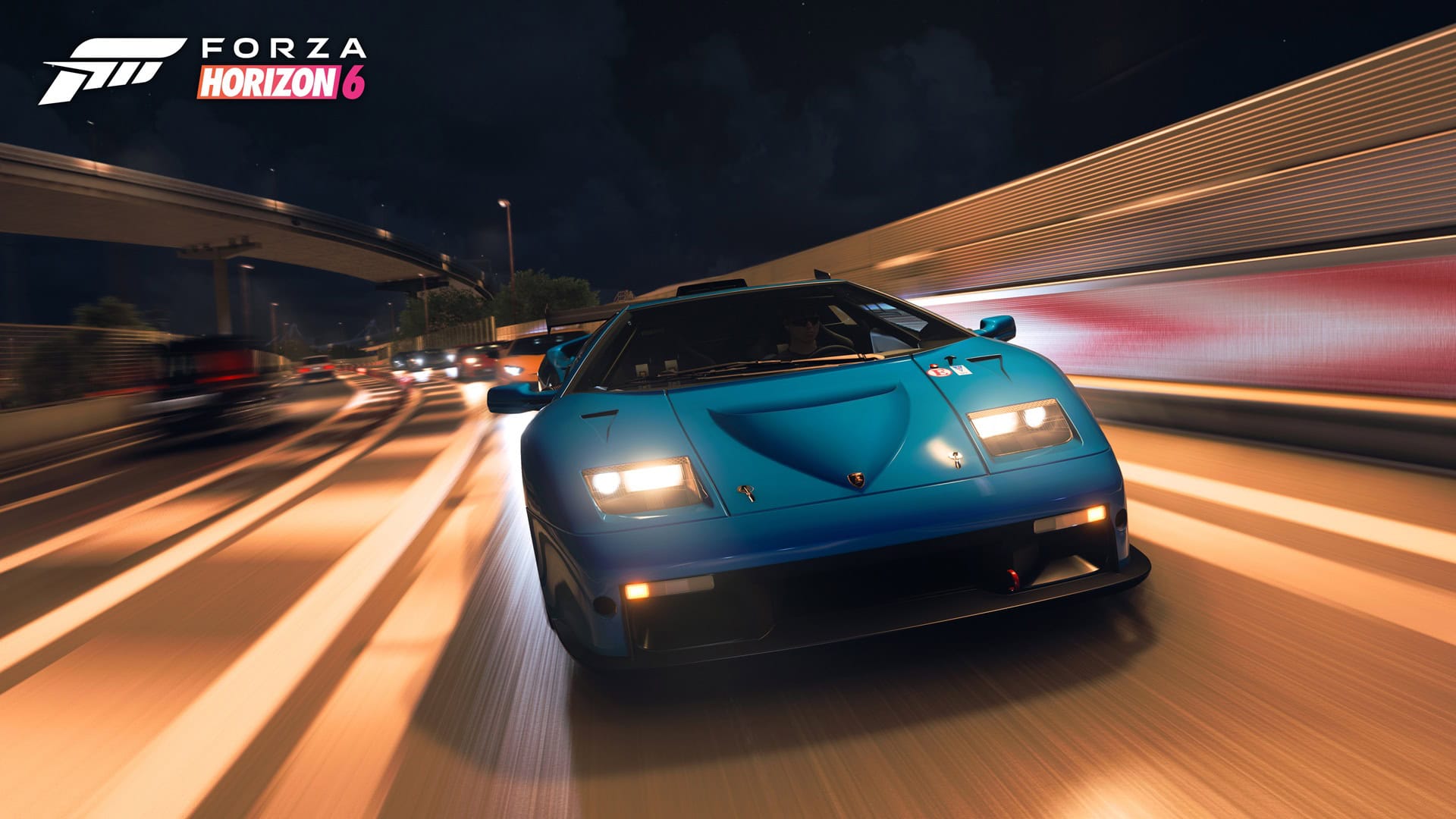
The handling in Forza Horizon 6 is not a dramatic reinvention, but it does feel more responsive to the environment.
The handling model is still accessible and forgiving, which is exactly what Horizon is built around. This is not a sim, and it should not become one. But the tighter road design exposes more nuance in how cars behave. On a wide desert road, Horizon’s physics can sometimes feel too generous. On a narrow mountain pass, small differences in grip, braking, and weight transfer matter more.
That is why Japan works so well. The map makes the driving model feel more alive. A Mustang on a highway still gives you that muscle-car satisfaction. An Evo on a touge route feels like a different language entirely. Both are fun, but they ask different things from you.
If there is one area where Forza Horizon 6 still frustrates, it is the AI. This has been a recurring issue for the series. Drivatars can feel inconsistent, especially on higher difficulties. Sometimes they race well enough to create pressure. Other times, they feel like they are operating under a different set of rules. That tracks with my experience.
The AI is better at creating tension than it is at creating believable racing. There are races where everything feels fair and competitive, then others where an opponent suddenly rockets forward or holds speed through a section in a way that feels questionable. It doesn’t ruin the game, but it does stand out because so much else feels polished.
I love Horizon, but the writing and festival dialogue are still not my favorite parts of the series. There is a specific tone these games have, where everyone sounds overwhelmingly excited all the time. Sometimes that energy works. Other times, it feels like being trapped inside a commercial where every NPC is trying to convince you that you are having the greatest day of your life.
Forza Horizon 6 is not as grating as the worst moments of Horizon 5, but the issue has not disappeared. The actual racing, exploration, and car culture are strong enough that the dialogue becomes background noise after a while, but I still wish the series trusted quiet moments more. Japan gives the game atmosphere. The writing does not always know when to get out of the way and let that atmosphere breathe.
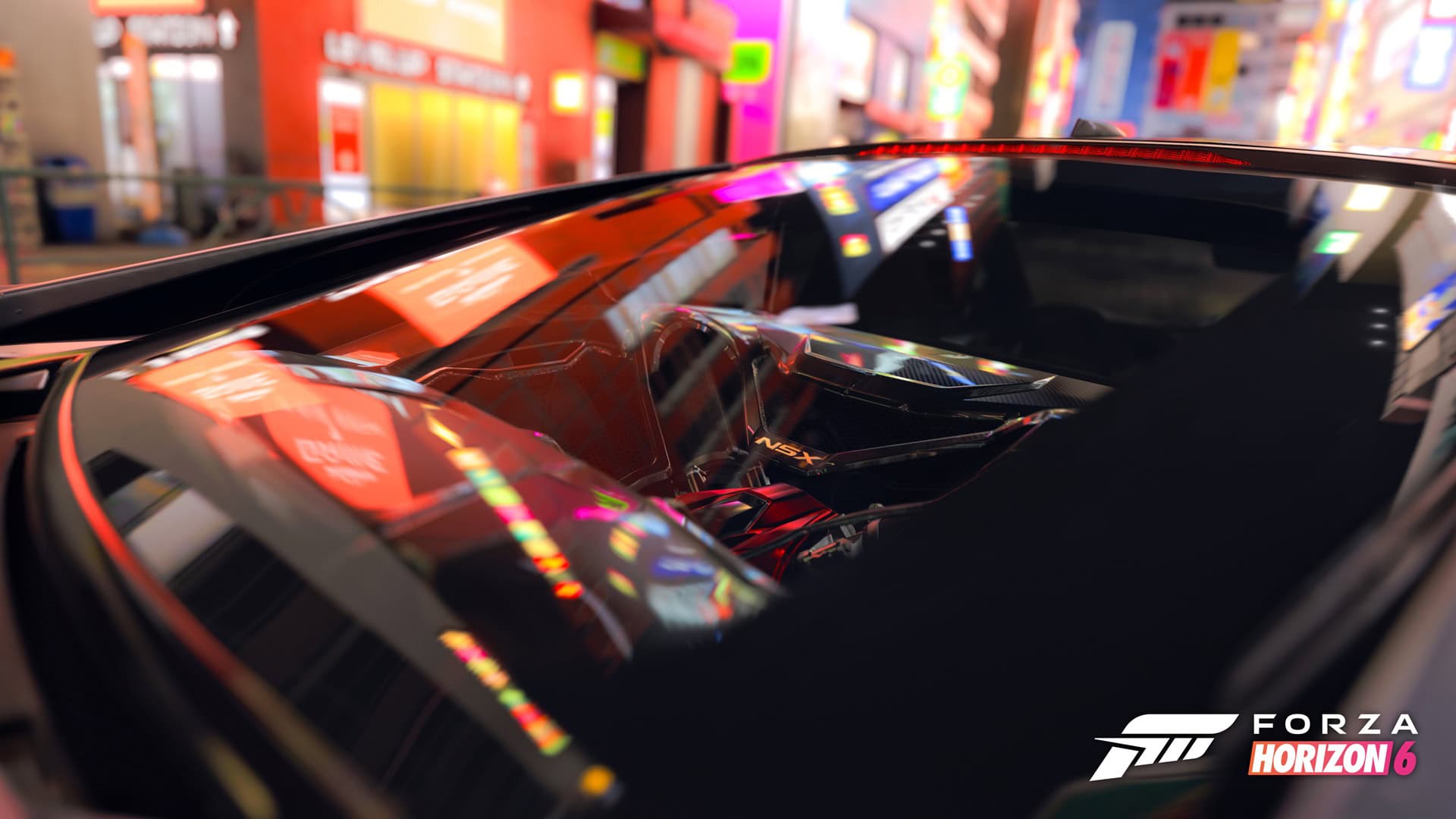
Visually, Forza Horizon 6 is stunning in the way Horizon games usually are, but Japan gives it far more range than previous maps.
Tokyo at night is the obvious showcase, with dense streets, layered reflections, traffic, and neon lighting giving the city a sense of energy that feels completely different from anything Horizon 5 attempted. But the quieter areas impressed me just as much. Rural roads, coastal stretches, snow-covered sections, and mountain routes all give the map a broader emotional range, and it helps the world feel less visually repetitive over long sessions.
On Xbox Series X, performance remains consistently strong. Races feel smooth even during busier moments, load times are quick, and transitions between events never really interrupt the flow of exploration. Horizon has always been technically polished, and Horizon 6 continues that trend without much friction.
Car audio also feels stronger overall. Muscle cars still carry that low, aggressive presence, while JDM cars feel sharper and more mechanical. I would not say every car sound is perfect, but the improvement in variety helps make garage-hopping more satisfying. And yes, the soundtrack still matters. Horizon is at its best when you are not racing at all, just cruising from one part of the map to another with the radio on, watching the scenery shift around you.
Forza Horizon 6 is not the reinvention some players wanted, but I don’t think it needed to be.
What it needed was a setting that made the familiar formula feel exciting again, and Japan does exactly that. The roads are better, the map has more personality, and the driving feels more engaging because the environment asks more from you. It satisfies the JDM fantasy without abandoning the broader car culture that makes Horizon so accessible, and even as someone who usually leans toward muscle cars, I found myself pulled into a different side of car enthusiasm.
The gripes are real. Progression is improved but still too generous for players who want a true climb. AI remains uneven. The festival dialogue can still be overly cheerful in that very Horizon way. And structurally, this is still a familiar game. But when the roads are this good, familiarity is not a weakness. It is a foundation.
Forza Horizon 6 is the best version of a formula that still works, elevated by the setting fans have wanted for years.
This review is based on an Xbox code provided by the publisher.
Forza Horizon 6 (XSX)
Forza Horizon 6 is basically the best version of modern Horizon. It still has the same problems people have complained about since Horizon 5, the AI can feel questionable, progression is still too generous at times, and the festival dialogue still sounds weirdly artificial, but Japan changes so much about how the game feels to drive that I stopped caring about most of that once I settled in. The mountain roads, drifting culture, JDM atmosphere, and sheer variety of the map make this one of the strongest settings Playground has ever built.
The Good
- Touge roads and tighter map design
- Excellent mix of JDM legends, muscle cars, and modern performance vehicles
- Barn Finds and Treasure Cars make exploration feel rewarding again
- Drifting and street racing culture finally feel naturally integrated into Horizon
The Bad
- AI Drivatars still feel inconsistent and occasionally unfair on higher difficulties
- Festival dialogue and NPC writing remain overly cheerful and artificial