
I’ve spent more than twenty hours in the ruins and ruinations of Carcosa. It has kicked my ass more times than I can count, but I’ve enjoyed every minute of it.
Still, there’s plenty I wish I knew before I first stepped into this madness. That sense of going in blind has its own magic, sure, but this guide is for those who’d like a little help getting their footing. Think of it as a friendly warning before the eclipse hits. Follow these tips, and you may find yourself thriving in the madness.
Accidentally Skipping Content

One of the easiest things to miss in Saros has nothing to do with combat.
Progress milestones, reaching a new biome, defeating a boss, clearing major objectives, can trigger new events back at your base. Sometimes it is a fresh conversation between characters. Sometimes an argument. Sometimes a small scene that adds context to someone you thought you already understood. Other times it is just new dialogue, but even that can flesh out the world in meaningful ways.
The catch is that if you stack too many milestones in one long run, some of these moments can be missed entirely or replaced by the next trigger waiting in line. Saros does give you chances to return after major breakthroughs, but it leaves the decision in your hands.
That means you need to choose. Keep pushing a strong run, or head back and see what changed.
If you only care about combat efficiency, keep going. But if you’re here for the story, the relationships, and the slow unraveling of Carcosa, do not ignore the trip back.
Some of the best rewards in Saros are in these revelations.
Keep Moving
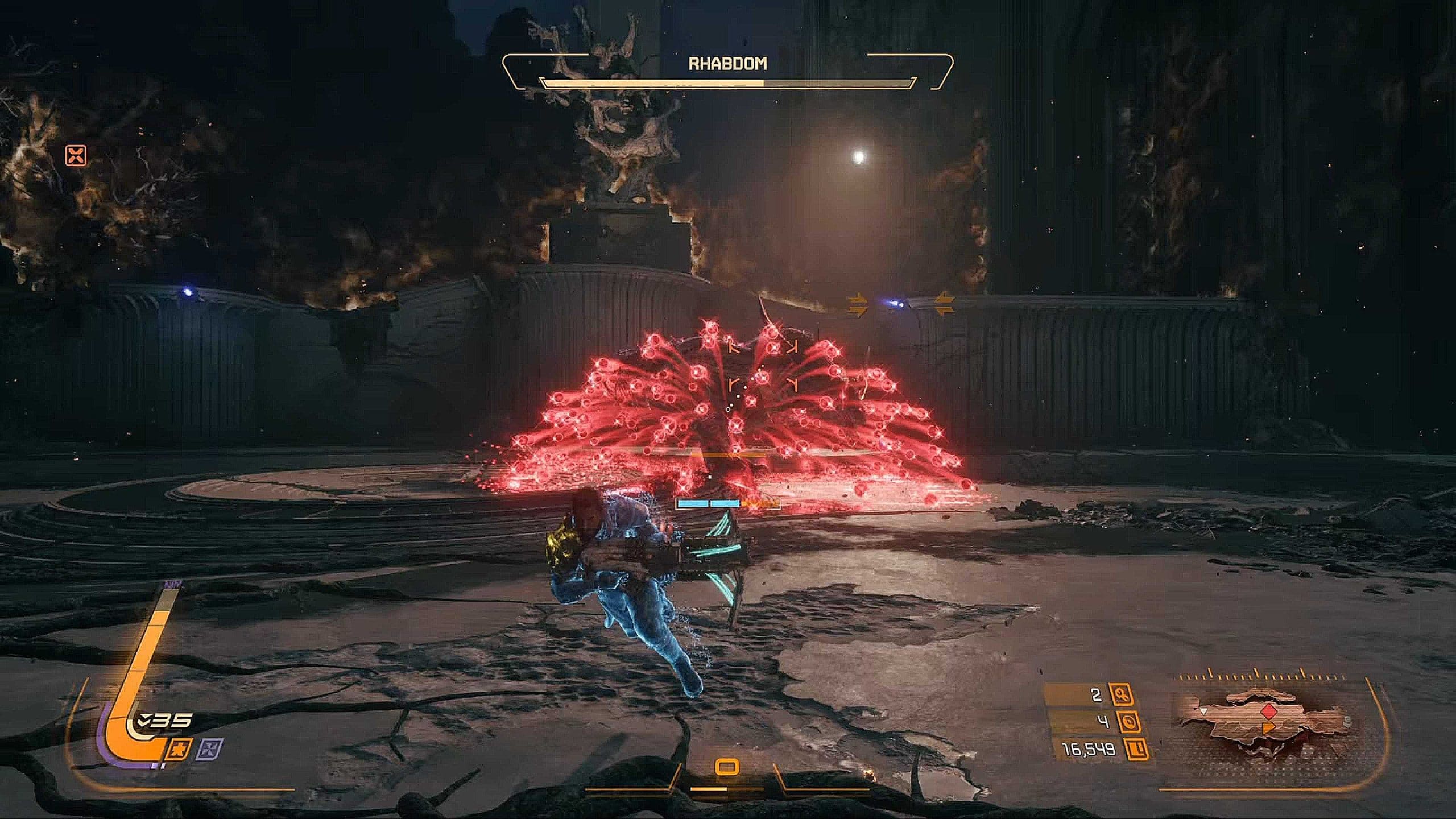
If you find yourself dying often, there’s a good chance you’re treating Saros like a normal shooter.
Standing still for even a moment can be enough to lose control of a room. Enemies fire from strange angles, projectiles sweep low and high, and what looks manageable can become chaos in seconds. This is less about taking cover and more about staying fluid.
You are not Leon S. Kennedy watching Ganados slowly trudge toward you in Resident Evil 4. Carcosa does not believe in that kind of courtesy. If something has spotted you here, it is probably already shooting, lunging, diving, or surrounding you.
I had runs where I thought my weapon was weak, only to realize later the real problem was my feet. The moment I stopped moving, I started getting hit.
Movement in Saros is defense, offense, positioning, and survival all at once. If you don’t know what to do next, move first and decide while doing it.
Dont Ignore Lucenite
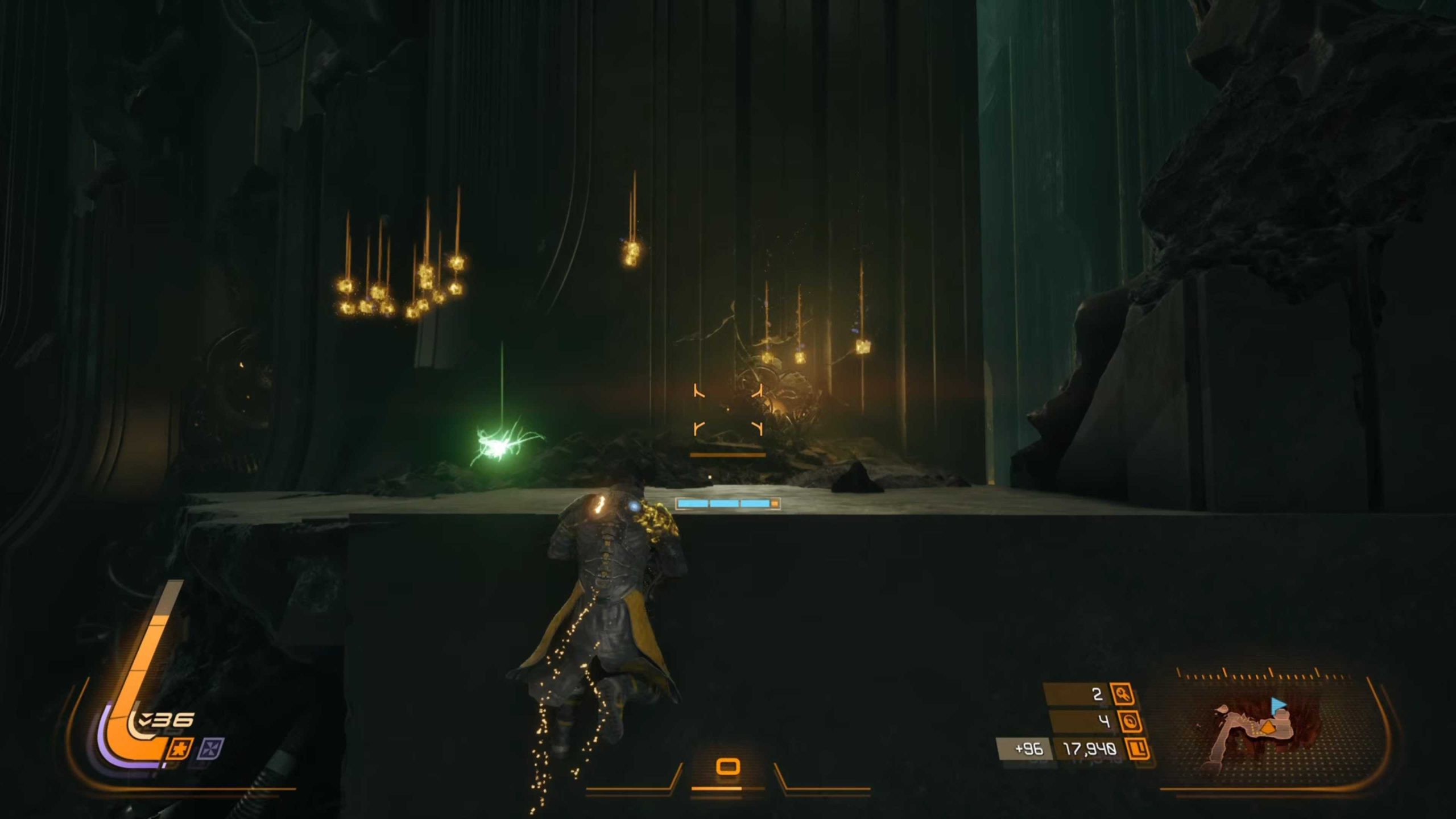
Lucenite is one of the most important resources in Saros, and the game does not always make just how valuable it is obvious right away.
Yes, it works as currency for upgrades, but it also helps raise your weapon proficiency during a run. That means better weapon drops, stronger options, and a smoother climb as enemies begin asking more from you. Ignore enough Lucenite, and you may start wondering why your gear feels behind the curve.
I noticed this most after clearing rooms quickly and moving on without collecting what enemies dropped. The next weapon I found would be a level or two below what I expected, and suddenly a good run felt weaker than it should have.
The trick is that Lucenite often lands where enemies die, which usually means in places that were dangerous a second ago and may still be dangerous now. Saros turns cleanup into another decision. Do you play it safe and move on, or step back into the mess for resources that could power the rest of your run?
My advice is simple. Take the Risk. If you get hit then at least you’ll improve your game sense for next time.
Save Your Keys
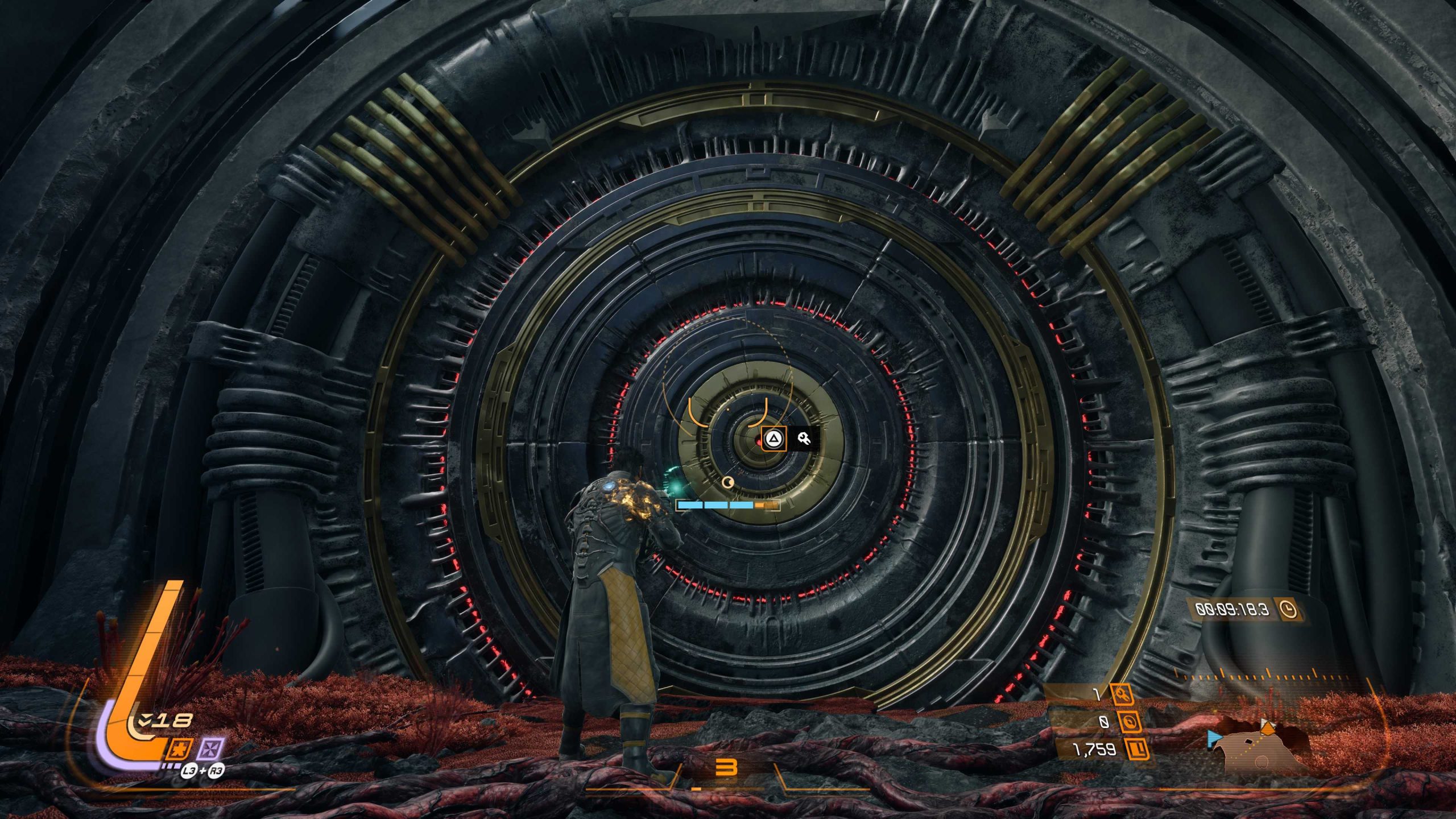
Keys are hard to come by in Saros, which usually means the moment you get one, the game puts something shiny in front of you.
You will see golden containers and think this has to be worth it. Sometimes it is. You might pull a better weapon or a power weapon that helps right away. But more often than not, the smarter play is patience.
Some of the better rewards I found were tucked behind locked gates deeper into a biome. Those rooms can hold upgrades, healing, stronger gear, or something far more useful when the boss is getting close. There are few worse feelings than opening an early container, then finding a locked room later with no key left in your pocket.
I made that mistake more than once.
So unless your run is desperate and you need help now, save your keys for later. Let the biome reveal itself first.
Keep a Homing Weapon Handy
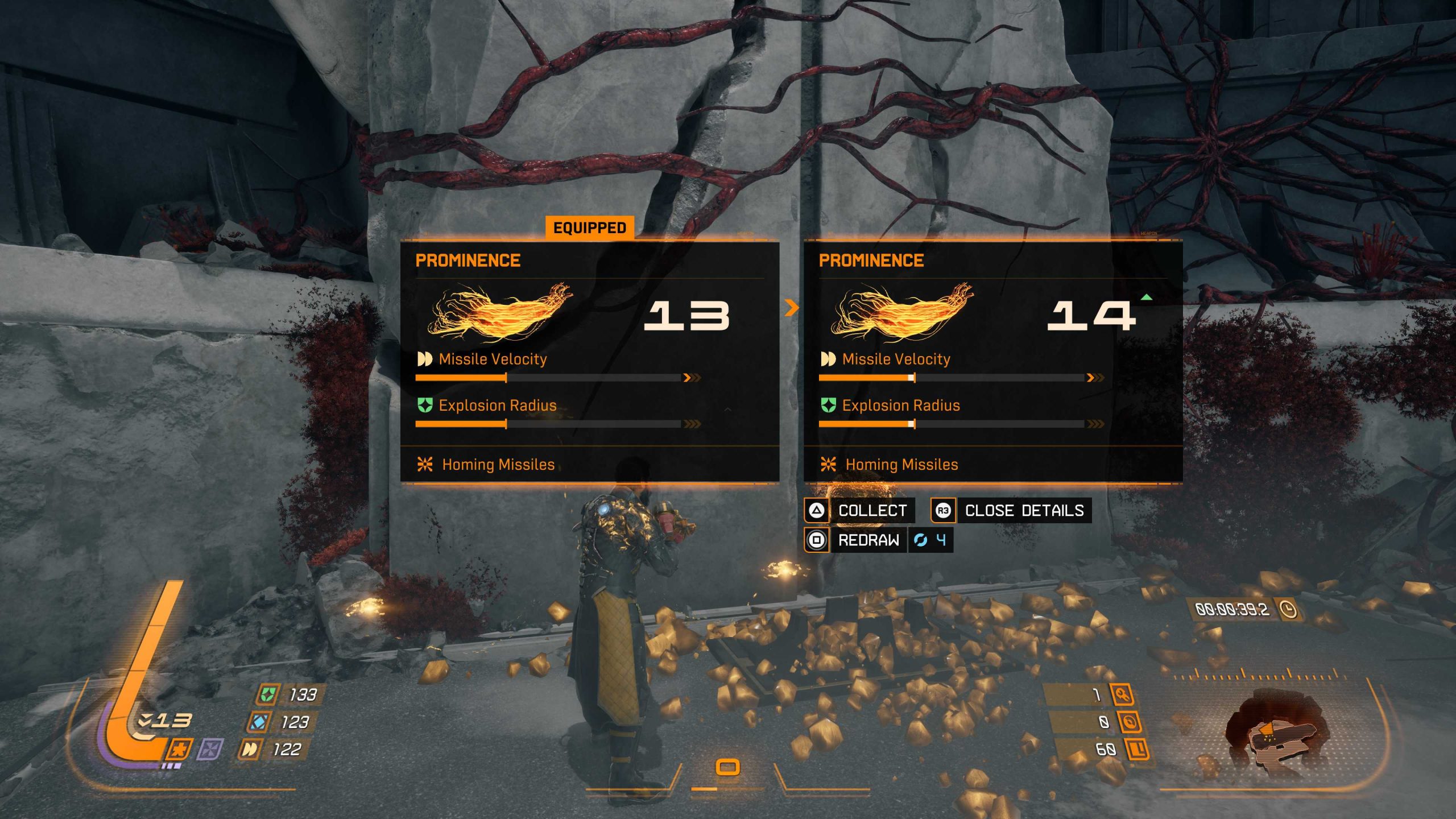
Not every fight in Saros is about raw damage. Sometimes the real challenge is simply keeping track of what is trying to kill you.
Certain enemies move fast, float awkwardly, dive from strange angles, or attack while the rest of the room is already flooding with bullets. In those moments, landing precise shots can become the last thing you want to worry about. You are trying to survive first, aim second.
That is why I always liked keeping at least one homing weapon around, whether as a main gun or a power weapon. It lets you stay focused on movement, spacing, and reading the room while still dealing damage in the middle of the chaos.
There is a time for precision weapons and huge burst damage. But there is also a time when the smartest thing you can do is let the gun handle the tracking while you handle everything else.
Get Second Chance as Soon as You Can
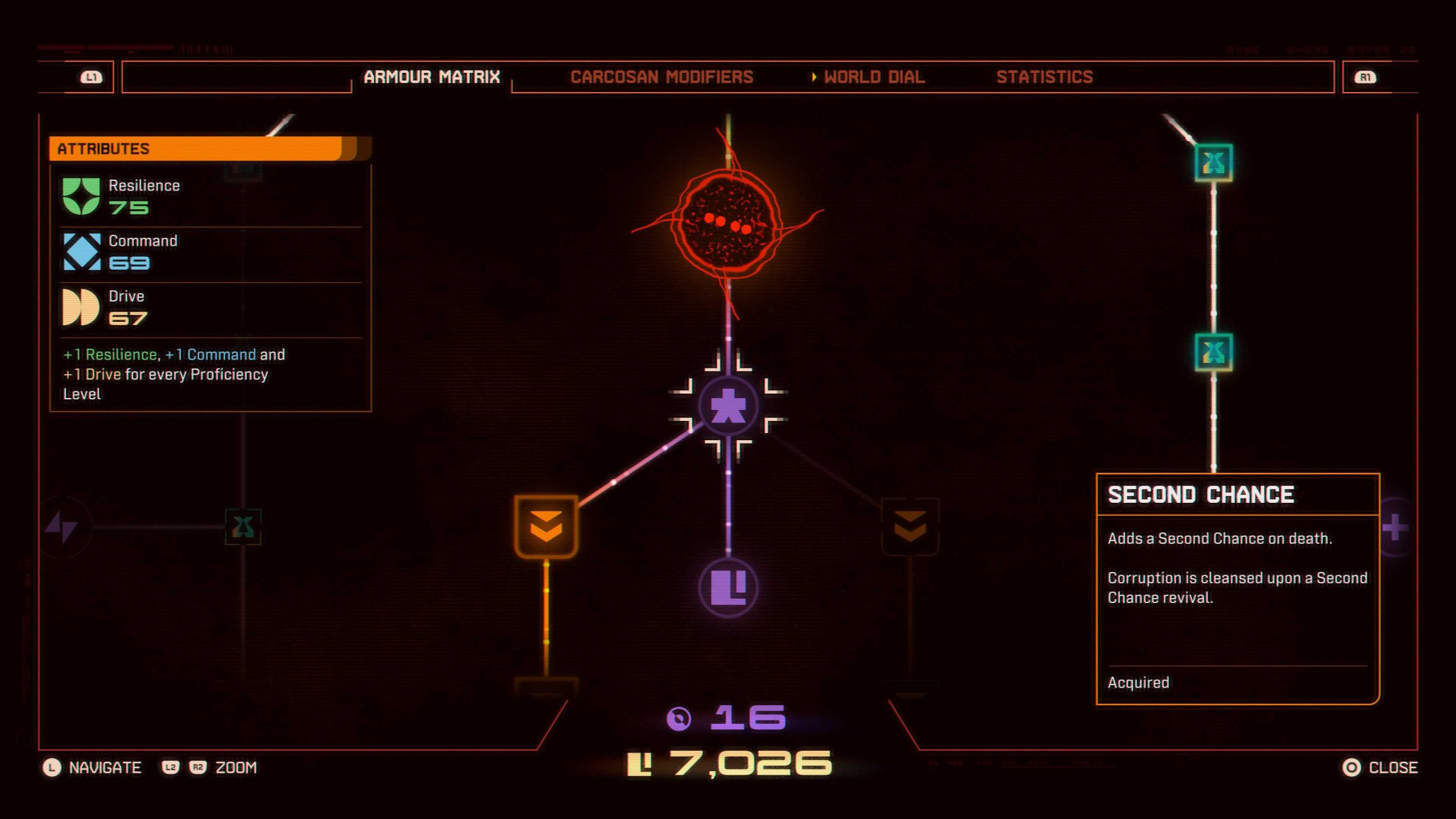
If there is one upgrade I would tell anyone to grab early in Saros, it is Second Chance.
It is not flashy. It is not a new weapon, bigger damage numbers, or the kind of upgrade that makes you feel instantly overpowered. What it is, is a lifeline. And in a game like Saros, that can matter more than anything else.
You are going to make mistakes here. A boss will catch you with an attack you have never seen. A room will get out of hand in seconds. You will get greedy for one more Lucenite pickup, one more shot, one more second in danger.
Second Chance turns those moments from heartbreak into recovery. A run that should have ended gets another breath.I cannot count how many runs stayed alive because I had it ready. Sometimes it was enough to finish a boss. Sometimes it simply saved half an hour of good momentum.
Get it early, then play with a little more confidence knowing one bad moment does not have to be the last one.
Face the Nightmares
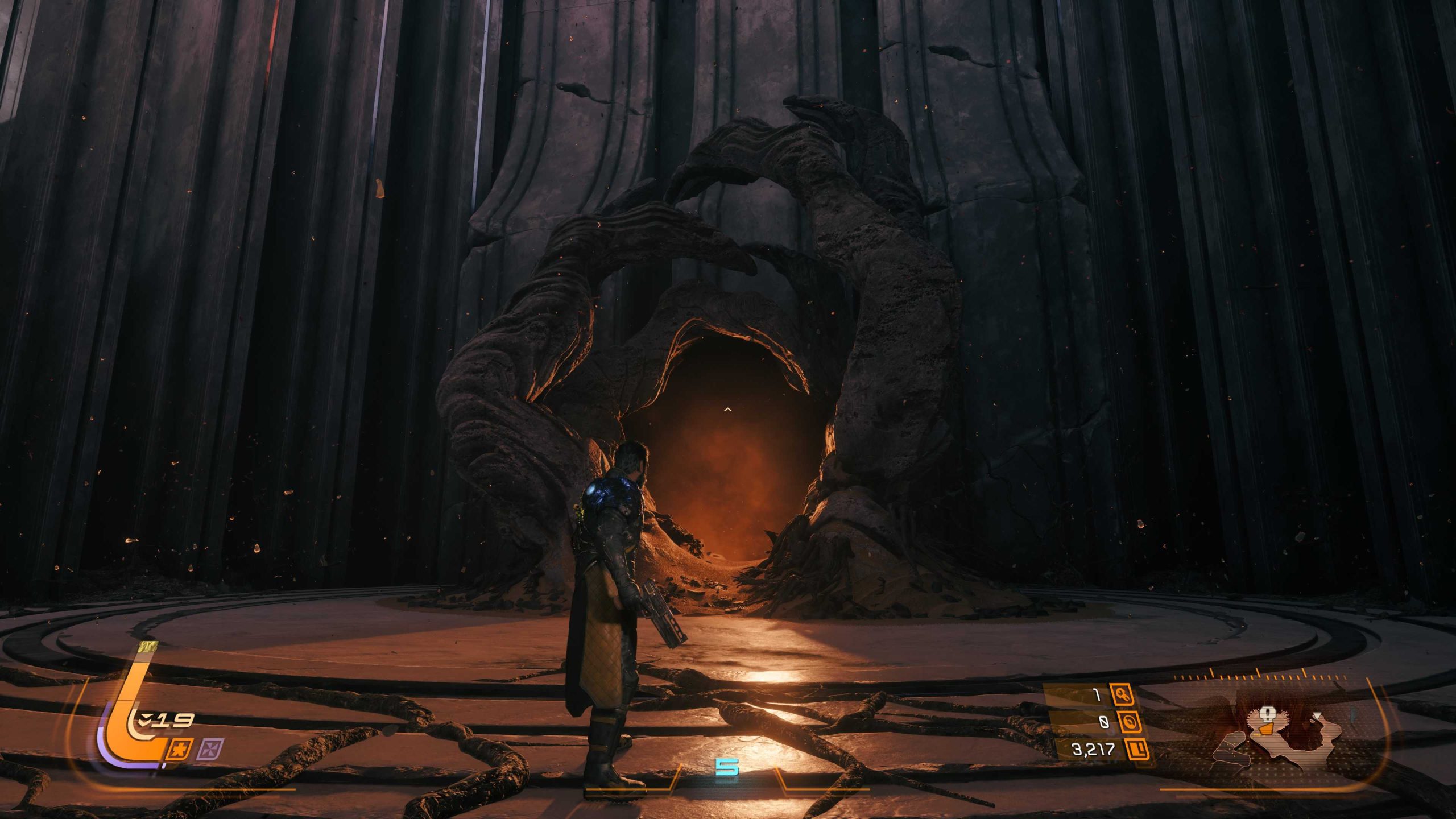
Some of the toughest fights I found in Saros were not the bosses. They were the Nightmare Strands.
These challenge rooms can turn ugly fast. Waves of enemies, stronger elites, and enough pressure on screen to make one mistake feel costly. The first few times I stepped into one, I learned very quickly that Saros was asking if I was actually ready, or just feeling confident because the last room went well.
But that is also why they are worth doing.
Whenever I managed to clear one, the rewards usually felt beneficial. More weapon proficiency, healing, stat boosts, resources, and getting back a lost Second Chance. A good Nightmare Strand can rescue momentum or turn an average run into one with real potential.
That said, I would not force them every time. If my weapon felt weak, my build was shaky, or I was already limping through the biome, I learned to walk away.
My advice is simple. Face the Nightmares as much as you can.
Boss + Shotgun = Nope
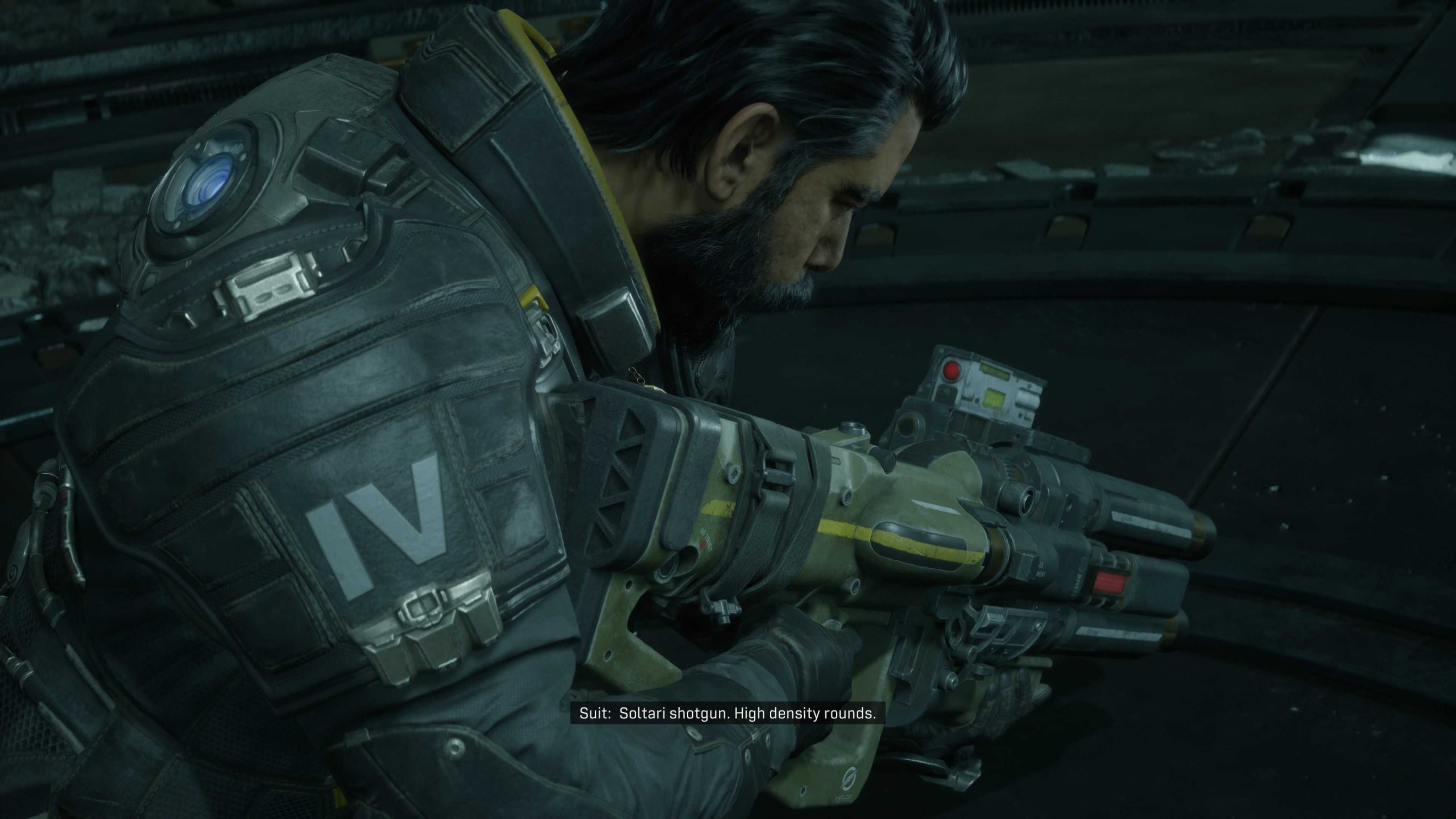
I’ve had a handful of great runs end in disaster because I was foolish enough to bring a shotgun. Sure, it can be an absolute monster in regular rooms, especially with the grenade launcher alt-fire, but when it comes to bosses, it falls apart fast.
Shotguns need you up close to do real damage, and Saros bosses are not exactly known for letting you stand in their face for free. You can try to force it, but I’ve been burned enough times to know better.
At this point, it feels outclassed by almost every other weapon in the game when a boss fight starts. Believe me, or learn the hard way like I did.
Check our review of SAROS right here.