There’s a certain kind of game that doesn’t try to impress you immediately. It doesn’t throw mechanics at you or rush to prove its worth. Instead, it settles into its own pace and asks you to meet it there. OPUS: Prism Peak is exactly that kind of experience.
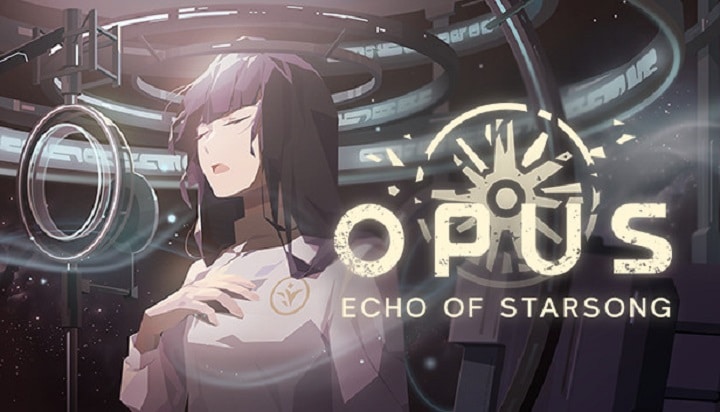
Developed by SIGONO, the studio behind OPUS: The Day We Found Earth, Rocket of Whispers, and Echo of Starsong, and published once again with their signature focus on narrative-driven experiences, OPUS: Prism Peak continues a series that has always prioritized emotion over complexity. Each entry has told its own self-contained story, loosely connected by themes rather than continuity, and Prism Peak follows that same approach.
That also means you don’t need to have played the previous games to understand what’s happening here.
I went into it without much expectation beyond knowing it would lean heavily into narrative and atmosphere. What I didn’t expect was how quickly it would pull me into its rhythm, or how difficult it would be to step away once I settled into it. It’s not a long game, and it’s not mechanically complex, but it has a way of making its time feel meaningful.
If you’ve played any of the previous OPUS games, you already have a rough idea of what Prism Peak is aiming for. These games have always leaned more into short, emotionally driven stories rather than deep mechanical systems, and that hasn’t really changed here. What has changed is the tone. While earlier entries were tied more closely to space and isolation, Prism Peak feels more grounded, more personal, and a little more introspective.
You don’t need to have played the previous games to understand what’s going on. They share themes more than continuity, and Prism Peak stands comfortably on its own. In a way, that works in its favor. It doesn’t carry the weight of needing to connect dots across entries. It just focuses on telling its story well. And this is where it either clicks for you or it doesn’t.
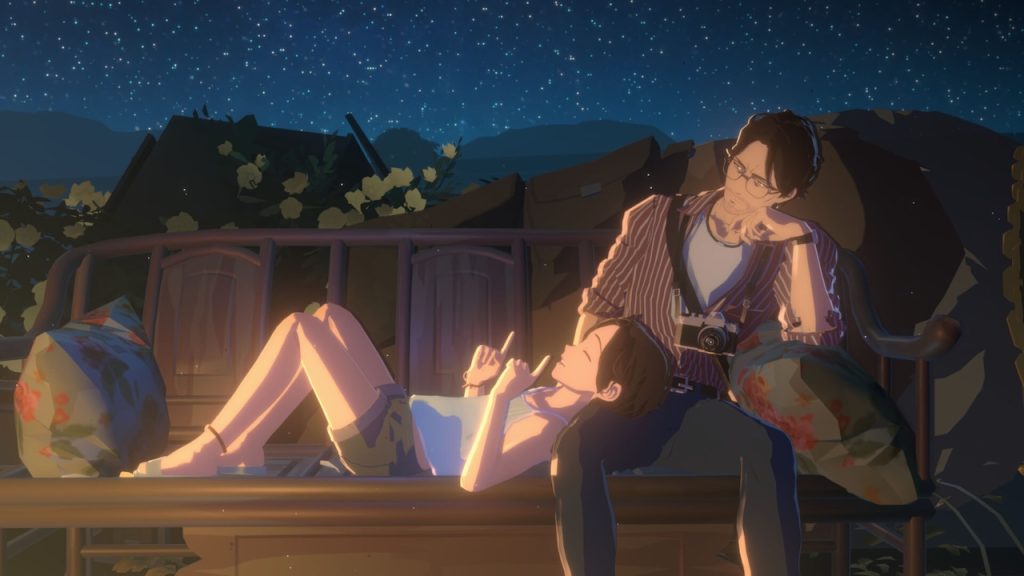
At its core, Prism Peak is built around a relationship. I wouldn’t reduce it to a simple “boy meets girl” story, even if it starts in that space. It’s more about how two people come into each other’s lives, what they mean to one another, and how that connection evolves over time. There’s a softness to it that I personally gravitated toward almost immediately.
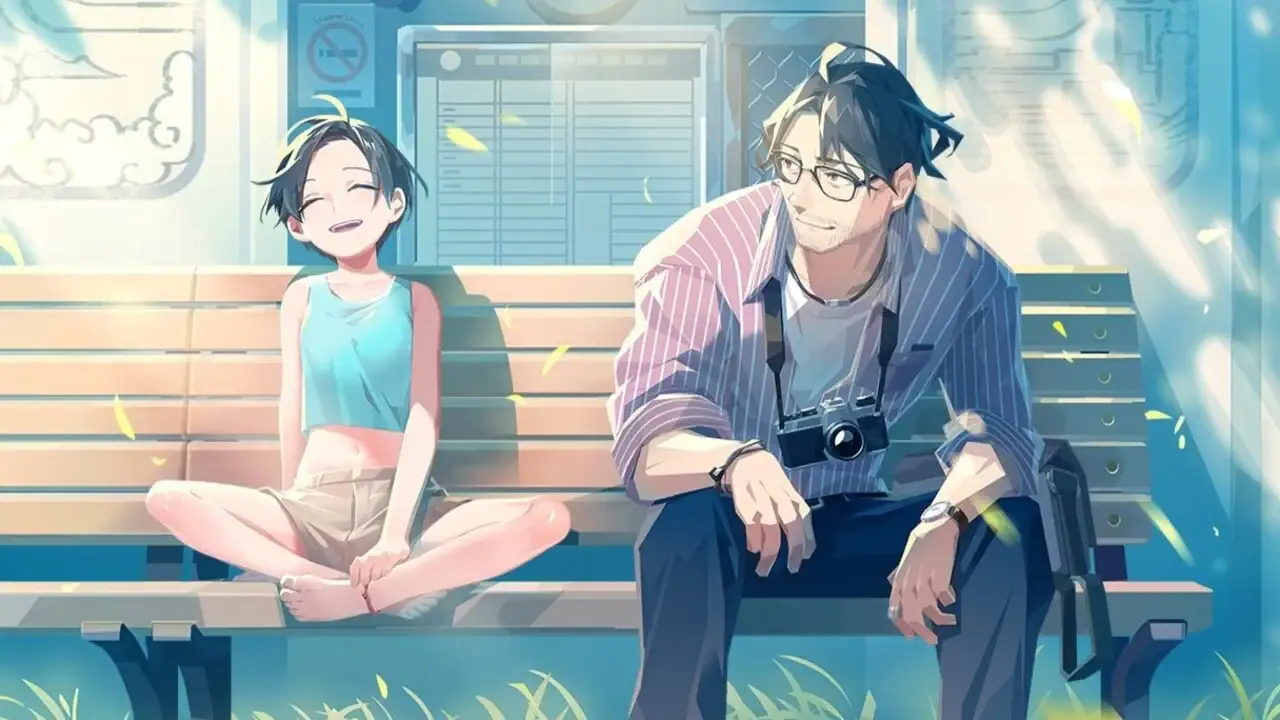
I’ll admit, I’m a bit of a sucker for these kinds of stories. The quiet ones. The ones that don’t try to force emotional beats but let them settle in gradually. Prism Peak understands that tone. It doesn’t rush to define the relationship or label it. Instead, it lets you sit in those moments, in the conversations, in the pauses where not everything needs to be said out loud.
There’s a kind of emotional distance that runs through the story, even in its more intimate moments. You’re not just watching two characters connect. You’re watching them try to understand each other, sometimes successfully, sometimes not. That uncertainty gives the narrative more weight than if it had leaned into something more straightforward.
What I appreciated most is that the game trusts the player to meet it halfway. It doesn’t over-explain its themes, and it doesn’t constantly remind you how you’re supposed to feel. It lets the moments speak for themselves, which makes the payoff land harder when it finally does.
That said, it’s still a very specific kind of story. If you’re not someone who connects with slower, character-driven narratives, it might feel uneventful at times. There aren’t dramatic twists every hour or constant emotional spikes. It’s a gradual build, and it asks for patience. For me, that worked. By the time the story started to come together, it didn’t feel like it was trying to impress me. It just felt honest.
From a gameplay standpoint, Prism Peak is intentionally light. Exploration and puzzle-solving form the backbone of the experience, but neither is particularly demanding. The puzzles are more about understanding context than solving complex systems, and most can be worked through without much friction. That might sound like a weakness, but it rarely feels like one in practice.
What surprised me more than anything was how much the photography mechanic ties everything together. At first, it feels like a simple tool. You’re taking pictures, framing moments, interacting with the environment in a way that seems almost secondary to the narrative. But over time, it becomes clear that it’s doing something more deliberate. You’re not just documenting the world. You’re choosing what matters within it.
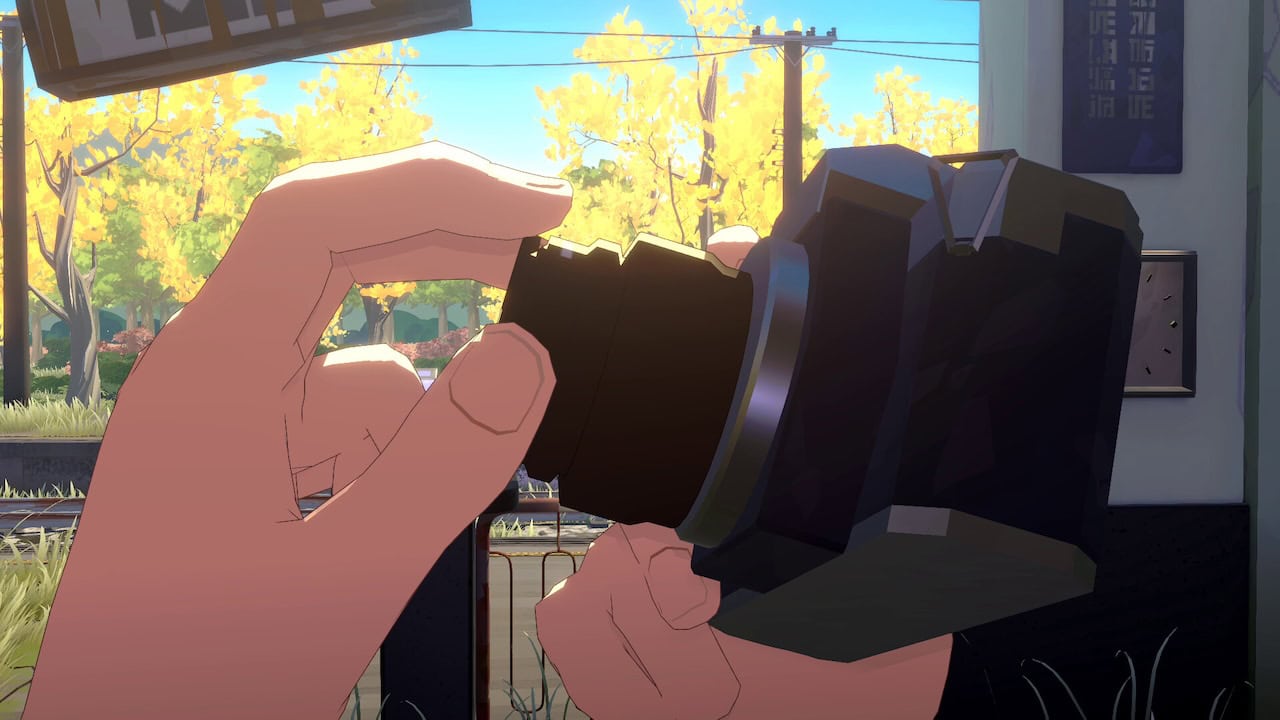
There were moments where I stopped not because the game asked me to, but because something felt worth capturing. A quiet scene, a subtle interaction, a space that didn’t need dialogue to say anything. Those moments started to feel personal in a way I didn’t expect from such a simple mechanic.
It’s one of those systems that only works because of everything around it. The pacing, the tone, the way the game lets you sit in its quieter stretches. By the end, it doesn’t feel like a feature. It feels like part of how the story communicates with you.
The simplicity works because it stays out of the way. You’re not here to master mechanics. You’re here to move through a space, to notice details, and to connect with what the game is trying to convey. More complicated systems would likely disrupt that balance.
That said, there are moments where I wished the gameplay pushed back just a little more. Not to the point of frustration, but enough to make certain sections feel more interactive rather than purely transitional.
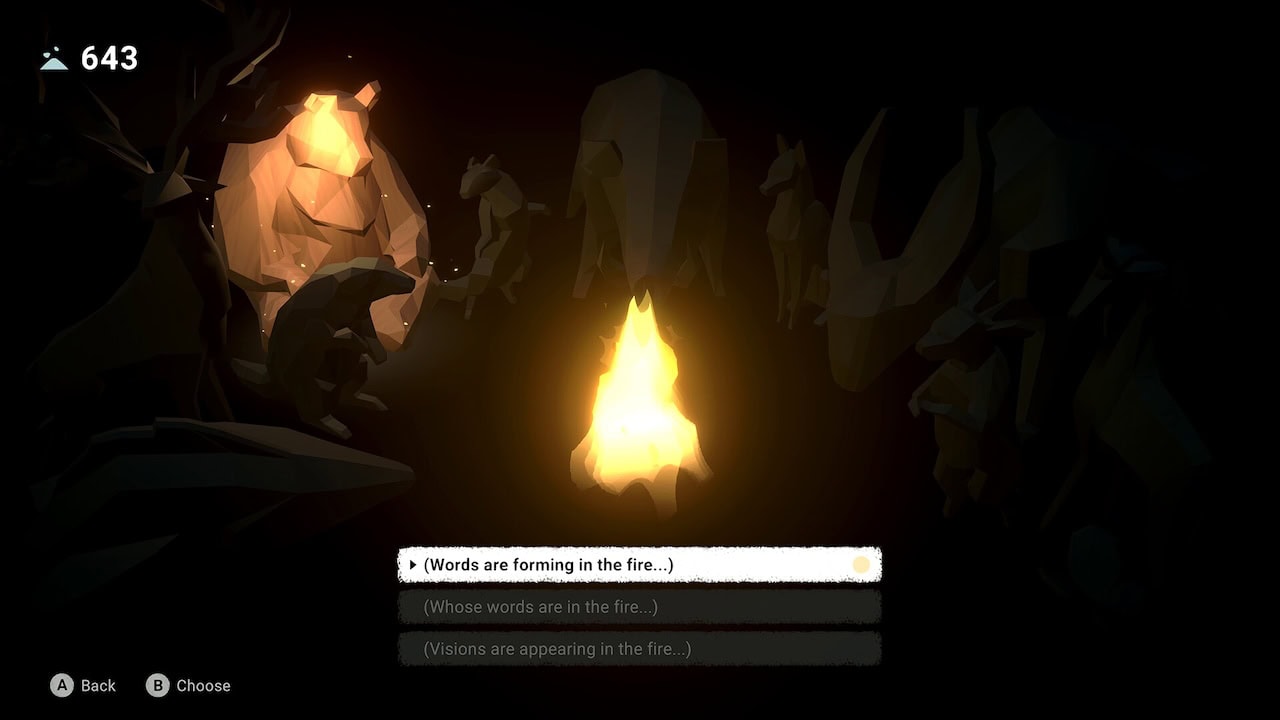
What surprised me most was how well the pacing holds together. Even when the game slows down, it doesn’t feel like it’s wasting time. There’s a sense that each segment is placed deliberately, even if the player isn’t immediately aware of why. It’s not until later that those quieter moments start to carry more weight.
There are a few points where the pacing risks drifting, especially in the middle sections, but the game always manages to pull itself back before it becomes a problem. By the final stretch, everything feels aligned. The pacing, the tone, the story. It comes together in a way that justifies the slower build.
Prism Peak leans heavily on its presentation, and for the most part, it delivers. The art direction stands out immediately. It’s not just visually appealing, it’s cohesive. Every area feels like it belongs to the same world, even as the environments shift. There’s a consistency in how color, lighting, and space are used that helps maintain immersion.
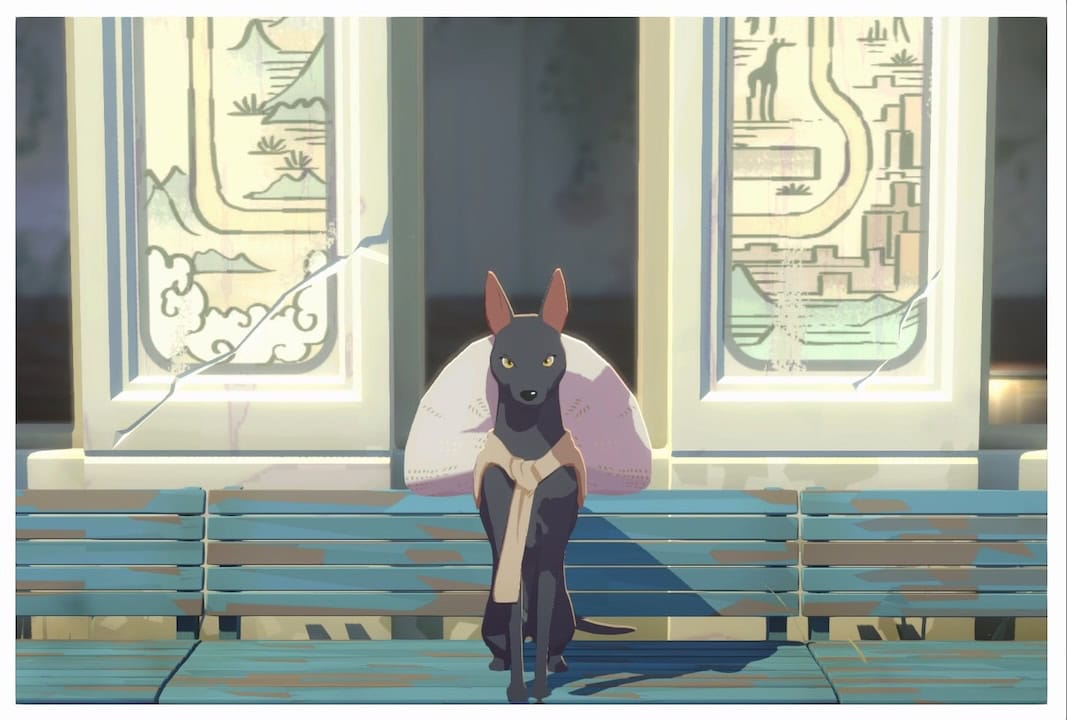
The art direction is where Prism Peak quietly does most of its work. It’s not just visually appealing in a technical sense. There’s a softness to everything, a slightly surreal quality that makes each location feel like it exists somewhere between reality and memory. Environments don’t just look good, they feel intentional. There’s a kind of stillness to them, a sense that something has already happened here and you’re walking through what’s left behind.
That atmosphere leans heavily into a kind of calm loneliness. Not empty, not bleak, just reflective. It’s the kind of space where you’re not constantly looking for the next objective, you’re just… there, taking it in.
The soundtrack deserves just as much credit as the visuals. It doesn’t constantly push itself forward, and that’s what makes it effective. There are moments where the music builds gently alongside what’s happening, then pulls back completely, leaving you in silence. Those quiet stretches end up being just as impactful as the more emotional peaks. It creates a rhythm where sound and absence of sound both carry weight. By the time the game reaches its later moments, you start to notice how carefully those shifts are placed.
On PC, Prism Peak runs smoothly without drawing attention to itself. Frame rates remain stable throughout, and I didn’t encounter crashes or technical issues during my playthrough. Load times are minimal, and transitions between areas feel seamless. It’s not a technically demanding game, but that works in its favor. The focus stays on the experience rather than the hardware.
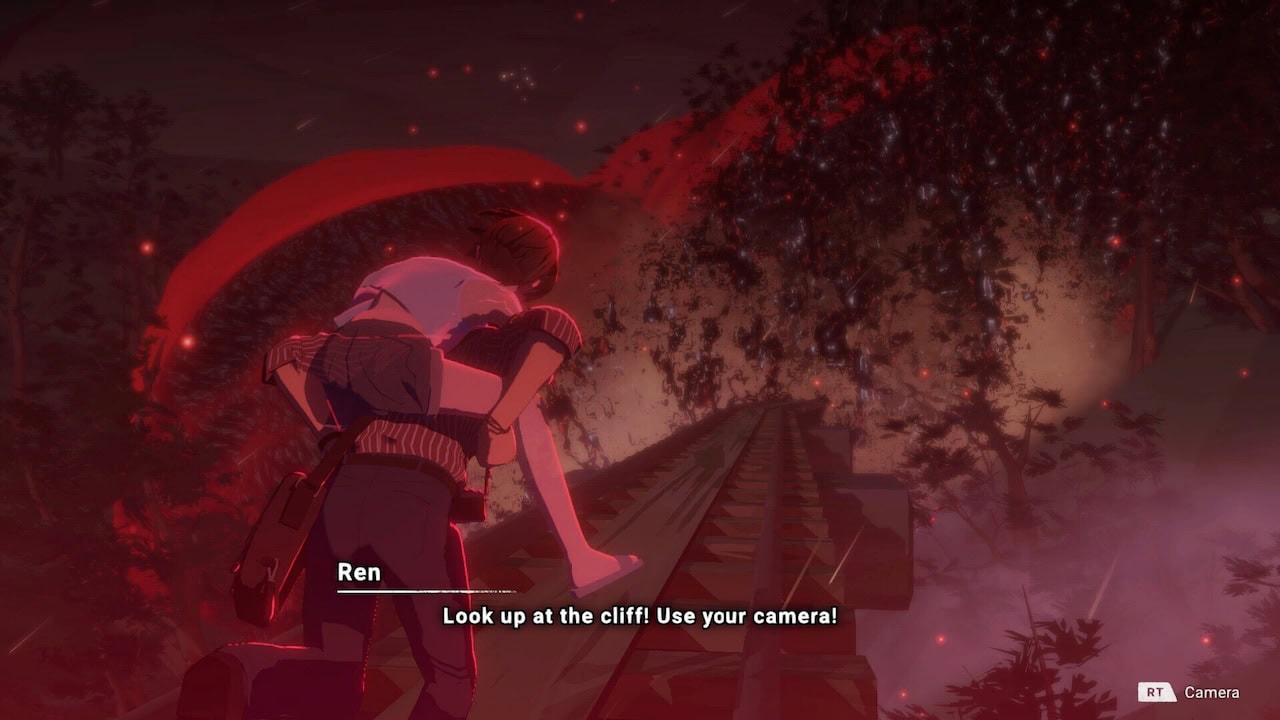
Prism Peak’s biggest limitation however, is also just part of its identity. It’s a very controlled experience. It doesn’t leave much room for player expression, and its mechanics rarely evolve beyond what’s introduced early on. For some players, that lack of depth will stand out, especially if they’re expecting more interaction or challenge. There are also moments where the game leans a bit too heavily on its atmosphere, relying on mood to carry sections that could benefit from stronger engagement. None of this breaks the experience, but it does keep it from feeling completely rounded.
OPUS: Prism Peak is the kind of game that understands exactly what it wants to be and commits to it fully. It doesn’t chase complexity or try to stretch itself beyond its scope. Instead, it focuses on delivering a cohesive, emotionally grounded experience that stays with you after it ends.
It’s not going to appeal to everyone. It asks for patience, and it doesn’t offer much in the way of mechanical challenge. But if you’re willing to meet it on its terms, it delivers something quietly impactful. For me, that was enough to carry it all the way through.
OPUS: Prism Peak (PC)
OPUS: Prism Peak is a quiet, character-driven experience that leans fully into its strengths as a narrative game. It doesn’t try to overwhelm you with mechanics or spectacle, choosing instead to focus on atmosphere, pacing, and the connection between its characters. That approach won’t work for everyone, especially if you’re looking for deeper gameplay systems, but if you’re someone who appreciates slower, more reflective storytelling, it delivers something that feels sincere and surprisingly lasting.
The Good
- Strong, emotionally grounded story that builds naturally
- Relationship-driven narrative that feels personal without being forced
- ohesive art direction and atmosphere that carry the experience
The Bad
- The gameplay remains intentionally light, and while it supports the narrative well, it rarely evolves enough to keep things engaging on its own