

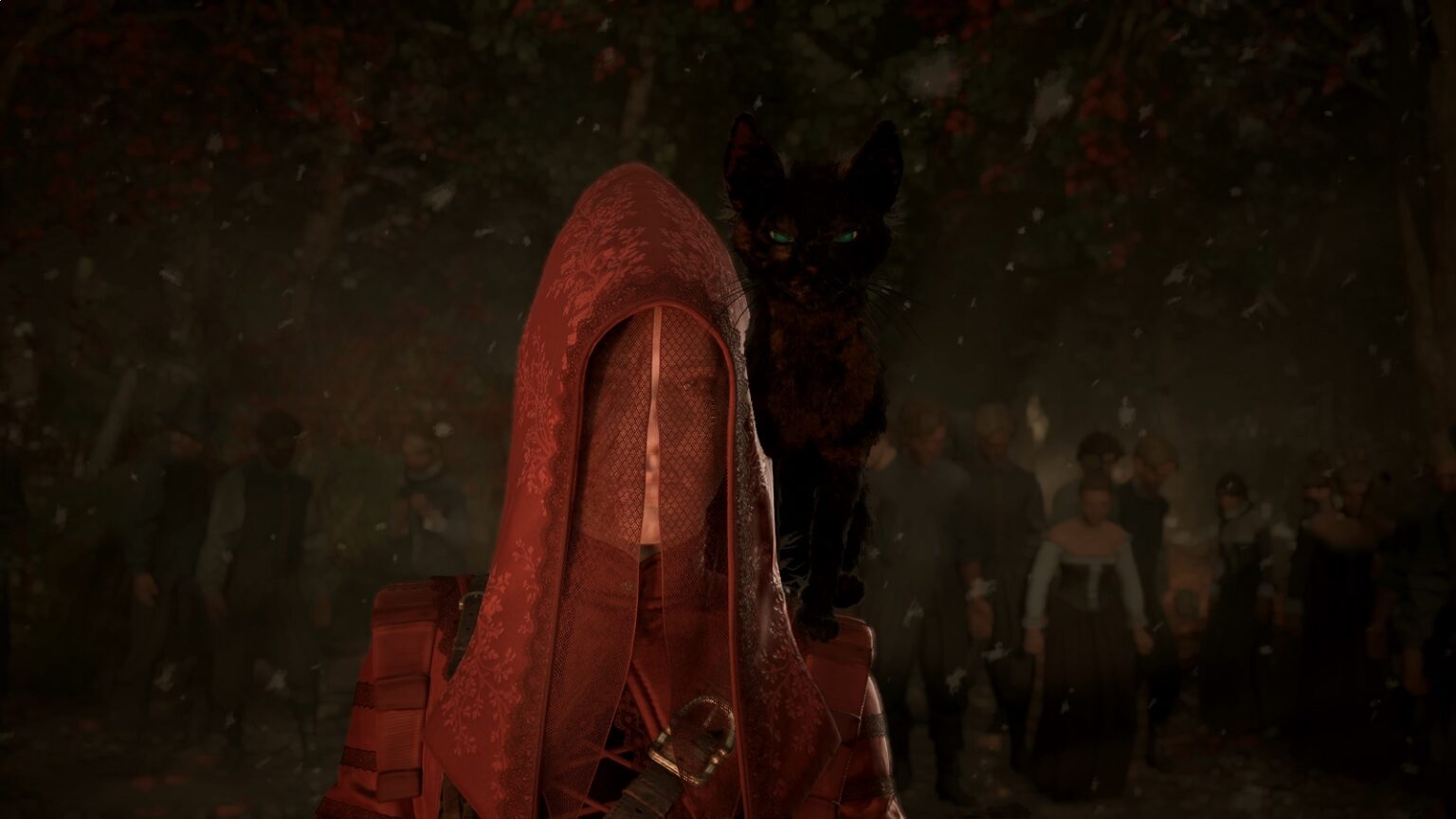
1666: Amsterdam is a 3rd person action-adventure game full of witchcraft and intrigue. According to the game’s lore, a supernatural event occurs every 333, resulting in a convergence between the years of 1666 and 1999. Players take control of Noa Brooklyn, The Collector, whose sole purpose is to take back a mysterious power that’s been abused for far too long. She may command witchcraft and spellcasting passed down through the generations, but Noa still needs help in locating and singling out cursed entities. And help comes in the form of her Bateratze, her Union, with the cat formerly known as Aaron Long-Smith. Together, they will root out the Originals and return what was owed without arousing the suspicions of the people of 17th-century Amsterdam.
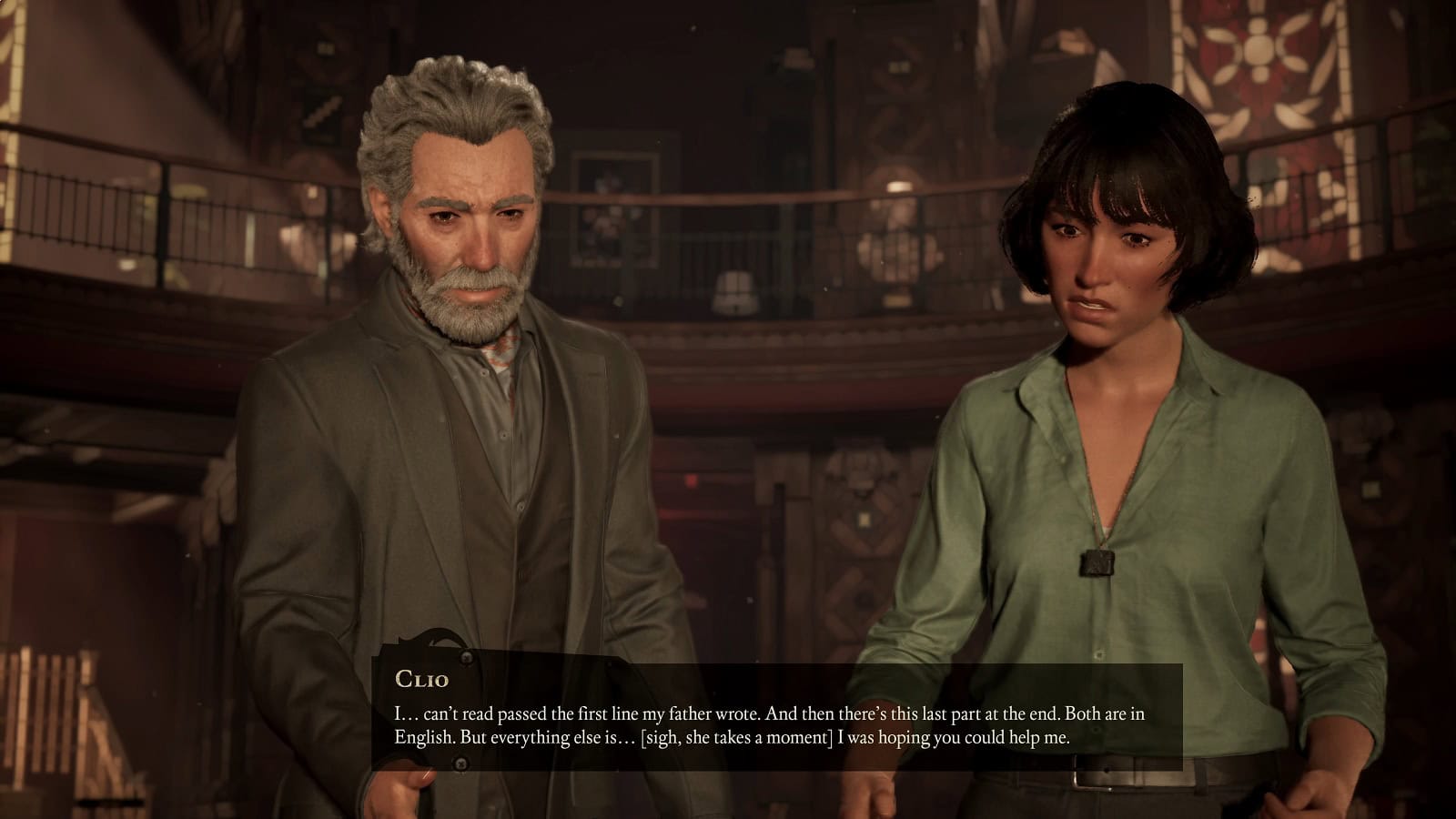
If you’re expecting to learn more about Noa’s witch powers or Aaron’s information-gathering skills, then you will be slightly disappointed with the prologue demo. The 30-or-so-minute demo focuses on the story of how Noa and Aaron met each other. The entire series of events is seen through the eyes of Aaron’s daughter, Clio, as she tries to decipher a “gift” Aaron left her. It goes without saying that we are barely peeking through the door when it comes to the story, as interviews with creative director Patrice Desilets confirm that the prologue takes place right before the start of the actual game.
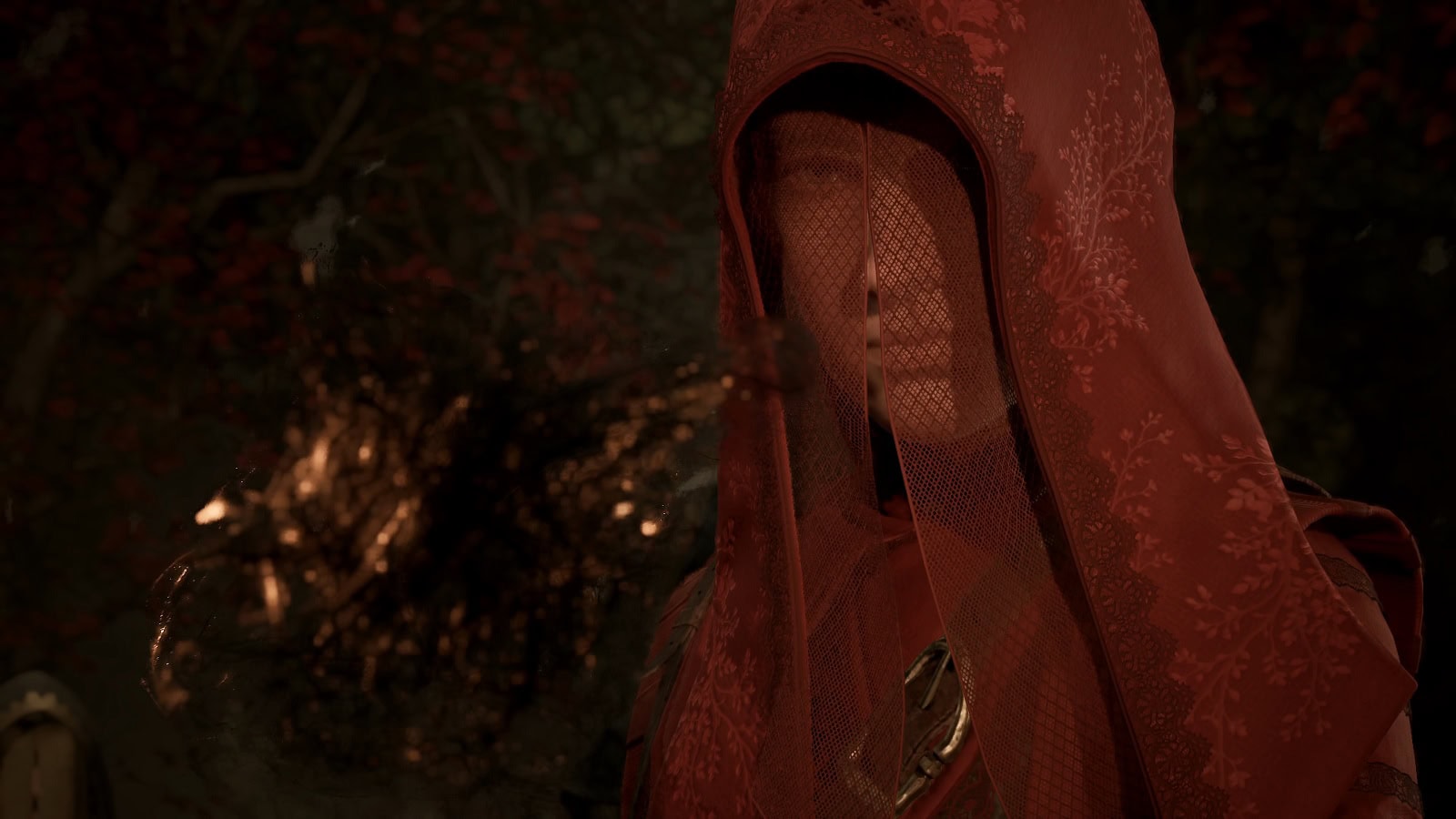
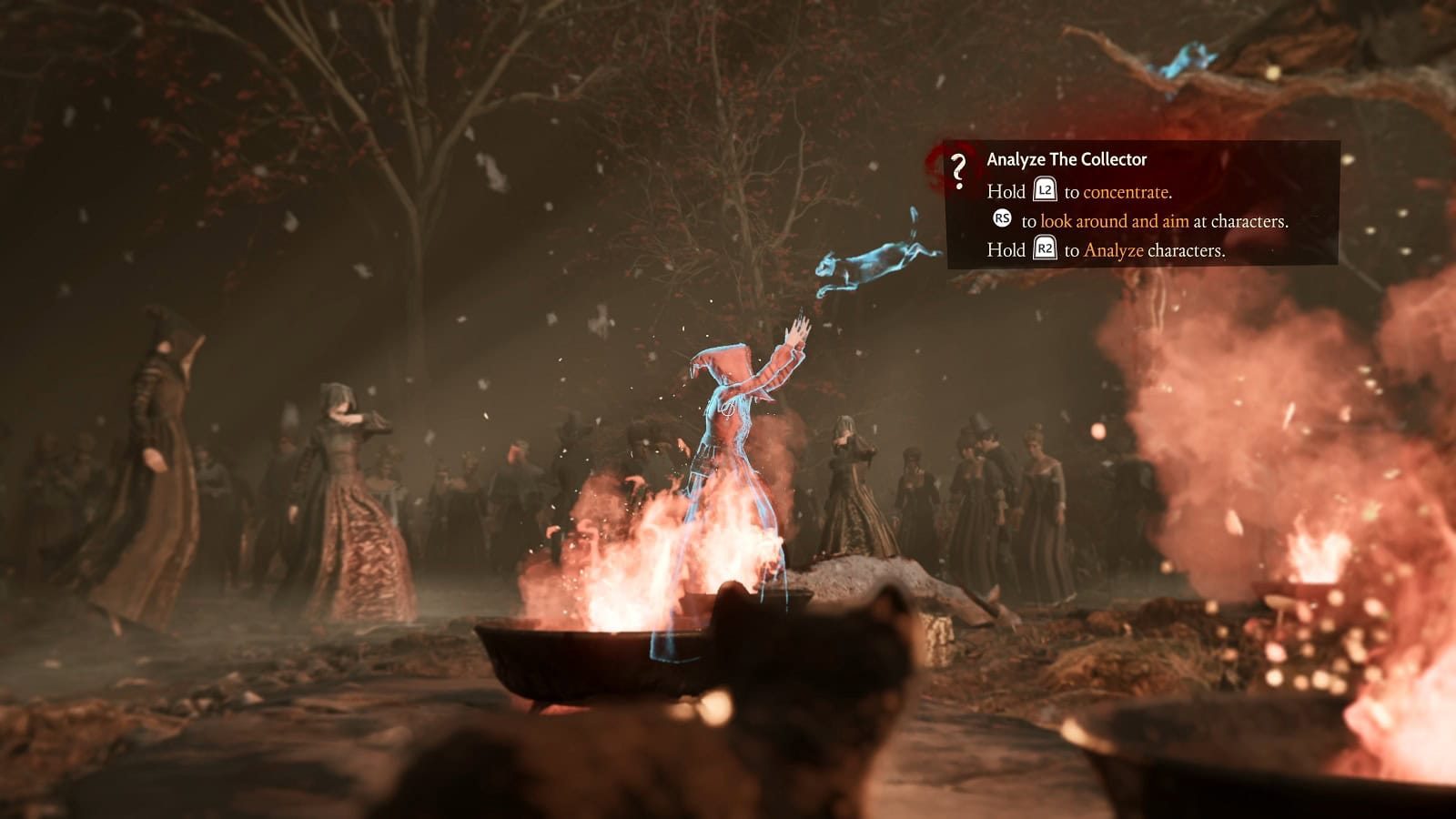
The demo starts with Noa’s commencement ritual. Here, we learn about LUX energy and how it’s used to light torches. Unfortunately, that’s all we’re going to get in this demo when it comes to Noa’s abilities. We will see more witch powers later on in a more intimate setting. After choosing a cat as our Union, we are thrust into the present, where we control Clio as she looks for answers after receiving a gift from her dad. Clio goes to Aaron’s alma mater to meet one of his friends, Professor Lucas. Aaron apparently left her a letter that contains “protected” Zaindaris’ information, and we have to use the library’s registry to point us in the right direction. This short puzzle segment ends with a startling moment that would make a hemophobe uncomfortably squirm.
If there’s one takeaway from this demo, it’s going to be the fact that we are getting a preview of what the gameplay features will look like in the full release. We know that Noa will absorb life essence from the air, and that’s what she’s going to use to cast spells. We also now know that there’s going to be a puzzle-solving element similar to that of older Quantic Dream games.
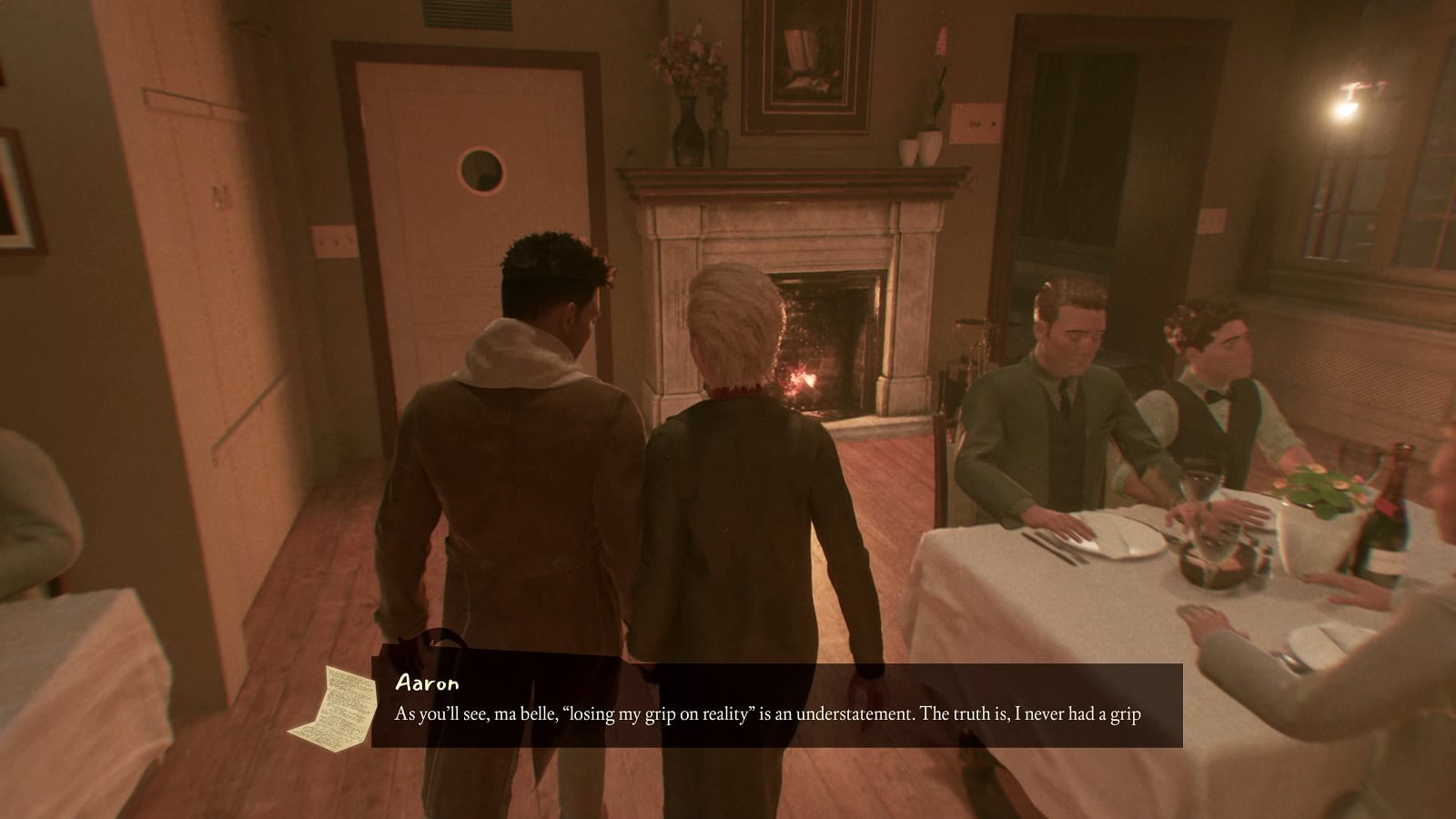
As it turns out, Aaron’s letter is a recounting of how he and Noa first met each other. It all started in Amsterdam with Aaron’s then girlfriend, Agnes. What was supposed to be a passion-filled night before the turn of the century turned into an adventure spanning centuries into the past. I won’t get into how Aaron got turned into a cat, but let’s just say that it involves ritual objects and lovemaking. During that sequence, I couldn’t help but recall Indigo Prophecy and Heavy Rain. I really don’t know why; it just fits together like puzzle pieces.
At this part, we learn how to navigate the world in Aaron’s cat form as an unknown force compels him to go deeper into madness. Aaron then reappears in the same forest we last saw Noa, frozen in time, waiting for something to complete the process. What Noa was actually waiting for was Aaron to jump into her arms. If that’s not strange enough, Noa knows Aaron’s name and where he came from.
And that is where the prologue ends.
A couple of things stood out to me about the demo. The visual identity and art direction are strong, especially in their use of dark themes and special effects. It’s still a little rough around the edges, but that’s nothing a little polish and optimization can’t fix. I have said it once, and I will continue to say it: this game is seriously reminding me of Indigo Prophecy. There is something about the mysterious nature that begs for answers. Unfortunately, the prologue failed to address Amsterdam, where the game is set. I hope there will be a future demo that showcases the full gameplay loop for both protagonists.
1666: Amsterdam is shaping up to be a game worth keeping an eye on. This is especially true now that we know that this is yet another game worked on by former developers of Assassin’s Creed. And if there’s one thing the developers of Assassin’s Creed are good at, that’s making the tech that allows us to blend in and hide in plain sight. It may be as flashy as Expedition 33, but there’s enough here for the game to hold its own captive audience, or its cult following, one could say.
