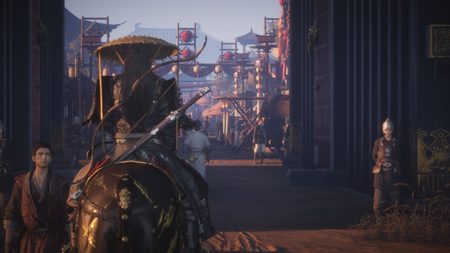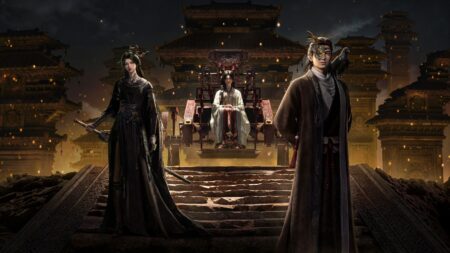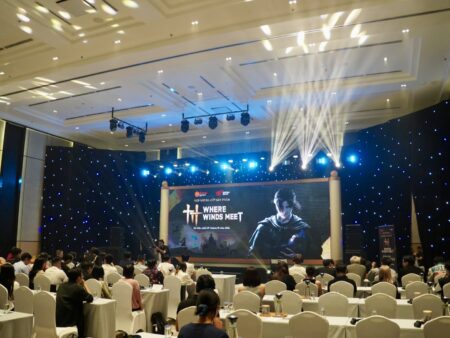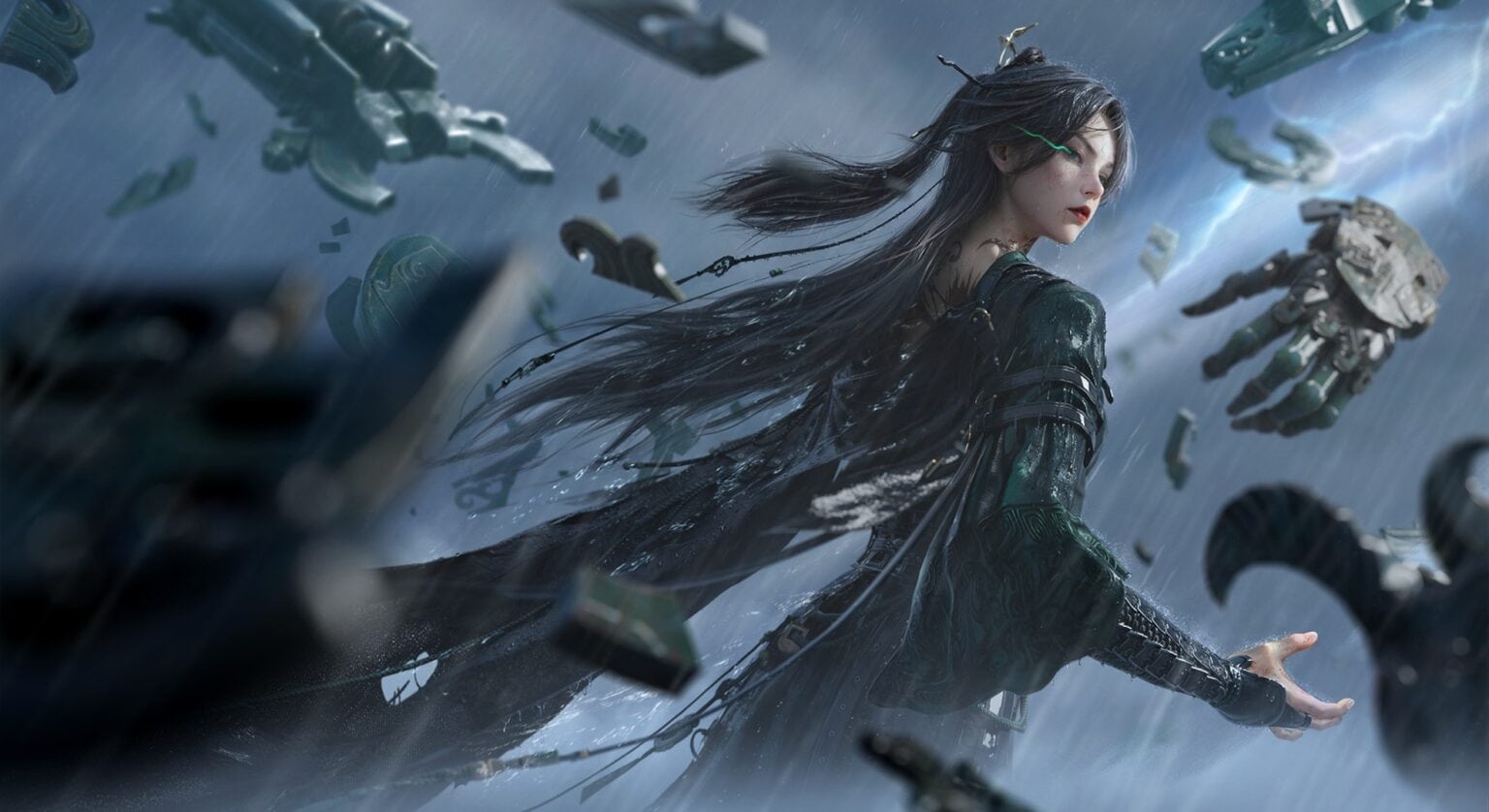
We went hands-on with the Hidden Mountain Finale during the Where Winds Meet SEA Media Gathering in Hanoi, and what stood out to me most was not just the new content, but how much more polished the overall experience feels compared to launch.
I had already spent some time with Where Winds Meet before flying to Vietnam, so the hands-on session in Hanoi was less about figuring out what kind of game it was and more about seeing how the experience had evolved. That prior context made the demo interesting in a completely different way. Having a point of comparison meant I wasn’t approaching Hidden Mountain as my introduction to the controls. I was coming back to something I remembered as ambitious, occasionally rough around the edges, and packed with ideas, but this time, many of those ideas simply felt more settled.
Our hands-on window in Hanoi was relatively brief at about one hour, so I won’t pretend that was enough time to judge every single system or fully unpack the finale. What it did provide was a clear snapshot of a game whose execution is finally catching up with its ambition.
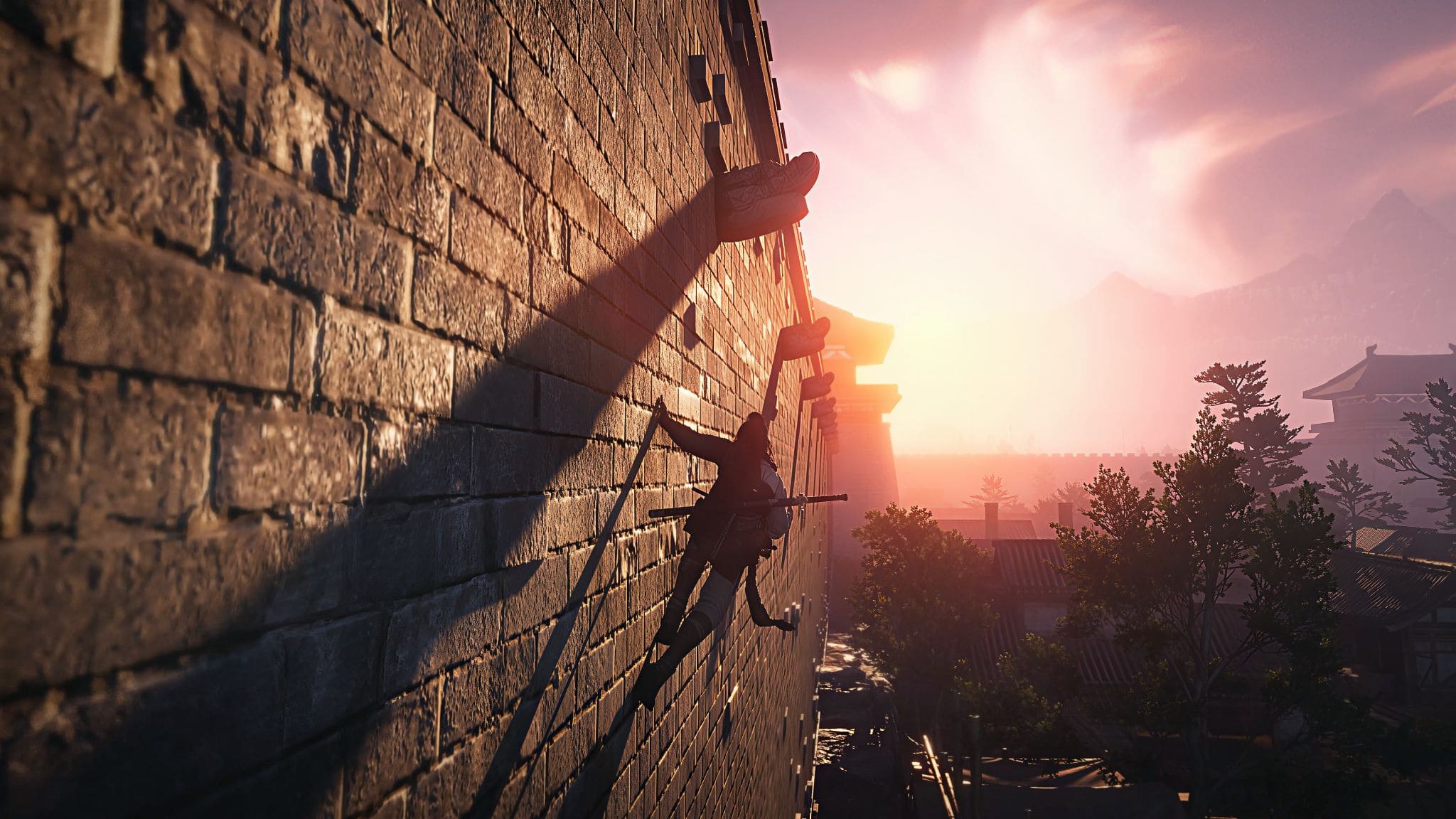
The improvement I noticed most immediately during my play session was the localization.
When I first played Where Winds Meet, some of the English translation could feel awkward or overly literal, especially in dialogue-heavy scenes. It was not enough to ruin the experience, but there were definitely moments where the phrasing made emotional beats harder to follow than they needed to be.
During the media interview, the development team actually addressed this issue directly. They explained that localization is not just about translating words, but about preserving emotion and what they call the “Wuxia spirit.” Crucially, they confirmed that they are still actively revisiting earlier starting regions such as Qinghe and Kaifeng to refine localized dialogue, rather than limiting those improvements strictly to new expansions like Hidden Mountain.
That was something I really appreciated hearing because it matched what I was seeing firsthand at the demo station. The game felt noticeably easier to follow, more natural in its phrasing, and far more confident in how it presented its narrative.
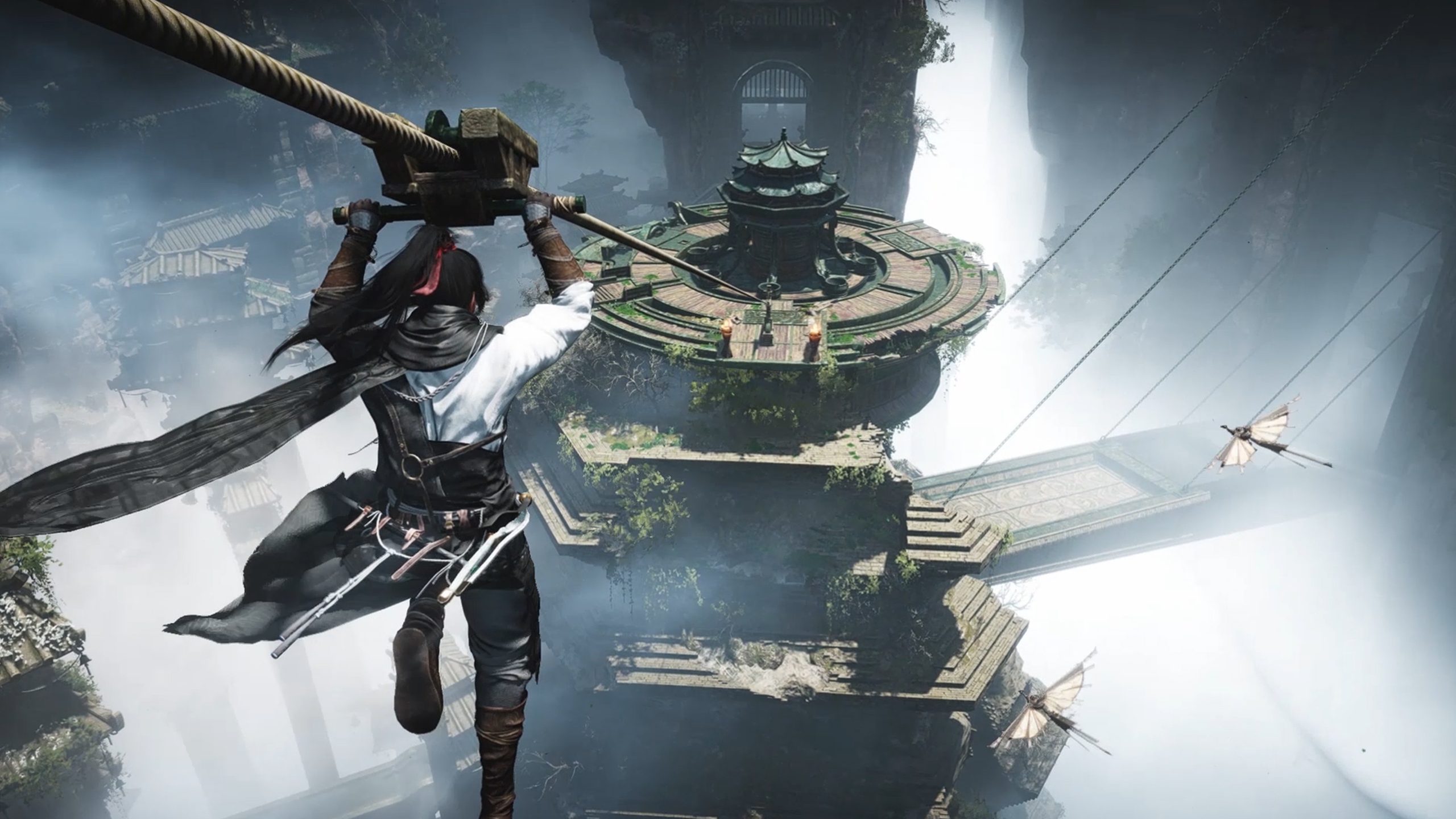
The Hidden Mountain content itself is a fantastic example of how Where Winds Meet has become more focused over time. The region leans heavily into vertical exploration, freerunning, layered environments, and a striking contrast between ancient landscapes and Mohist-inspired machinery.
Traversal is easily one of the strongest parts of Hidden Mountain because the level design forces you to think vertically. You are constantly moving between different elevations, crossing structures, climbing, dropping, and using freerunning to navigate spaces that would feel restrictive in a more grounded historical RPG. In practice, this gives the world a layered feel. You aren’t just running from point A to point B following a flat objective marker. The environment constantly encourages you to look above, below, and around you, making movement feel like an active part of the level design rather than simple transportation.
What makes the region truly memorable, however, is its mechanical identity. Moving structures, water systems, and engineered pathways give the area an almost ancient technological feel. It still looks unmistakably like a wuxia world, but the environment feels constructed, experimental, and interested in problem-solving. These giant mechanisms and engineered pathways make parts of the world feel almost impossible, but still consistent with the game’s exaggerated logic. The machinery never feels like background decoration; it defines how you navigate the space and how the world tells its story.
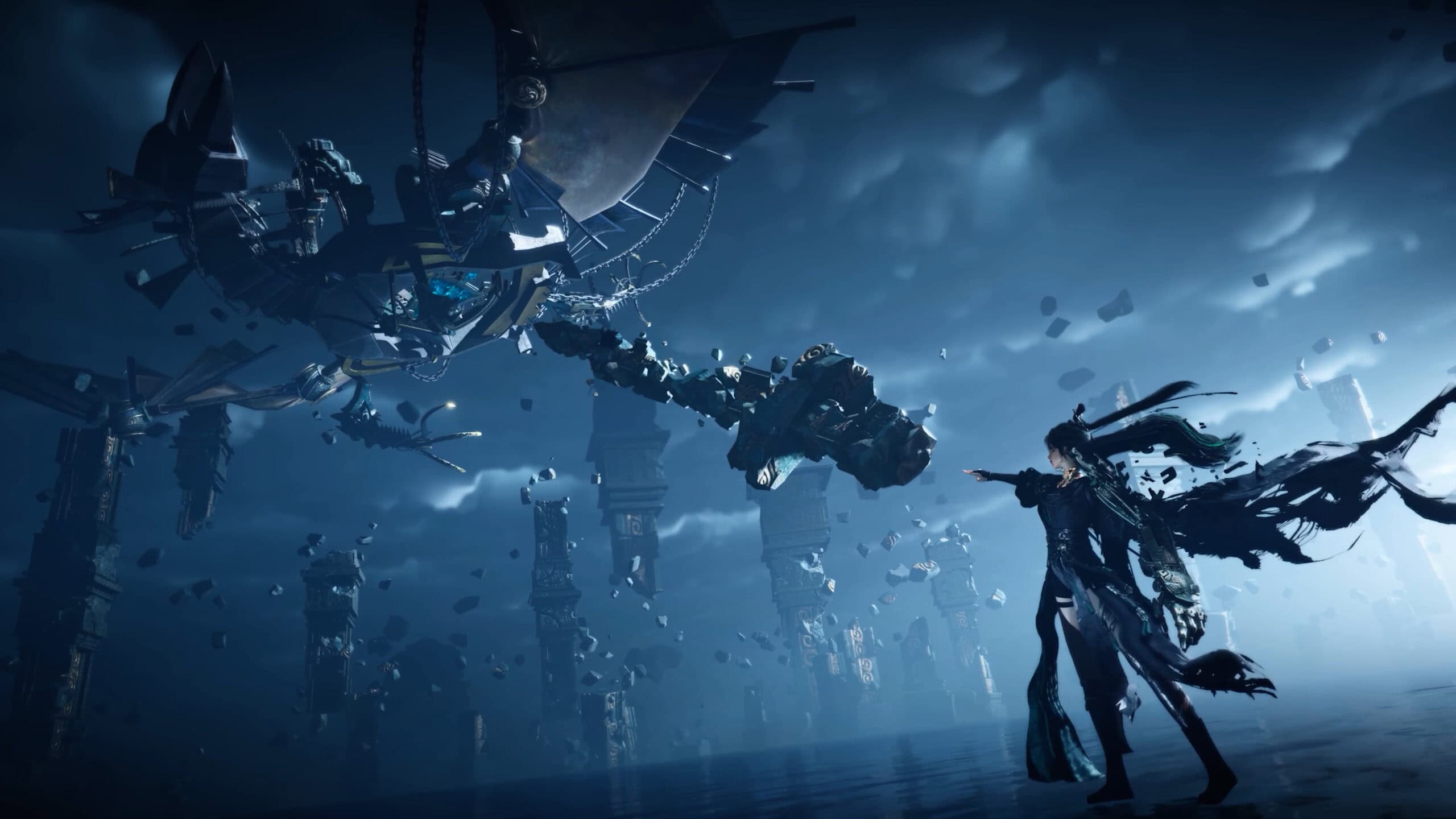
The combat remains one of the easiest things to appreciate in Where Winds Meet. Once you settle into the rhythm of parrying, dodging, weapon skills, and martial arts abilities, fights still carry that cinematic wuxia quality that makes the game stand out.
What I noticed more during this demo was a distinct sense of weight behind the animations. The combat still has the exaggerated flair you expect from the genre, but the newer sequences feel more deliberate in how they communicate physical impact.
You can clearly see a philosophy of grounded movement in motion. The game wants to look spectacular, but it also wants each strike to feel like it carries actual momentum rather than just looking like a flashy animation effect. Every stance and force delivery feels tied to real physics, making the martial arts feel genuinely physical even when the action itself is highly stylized.
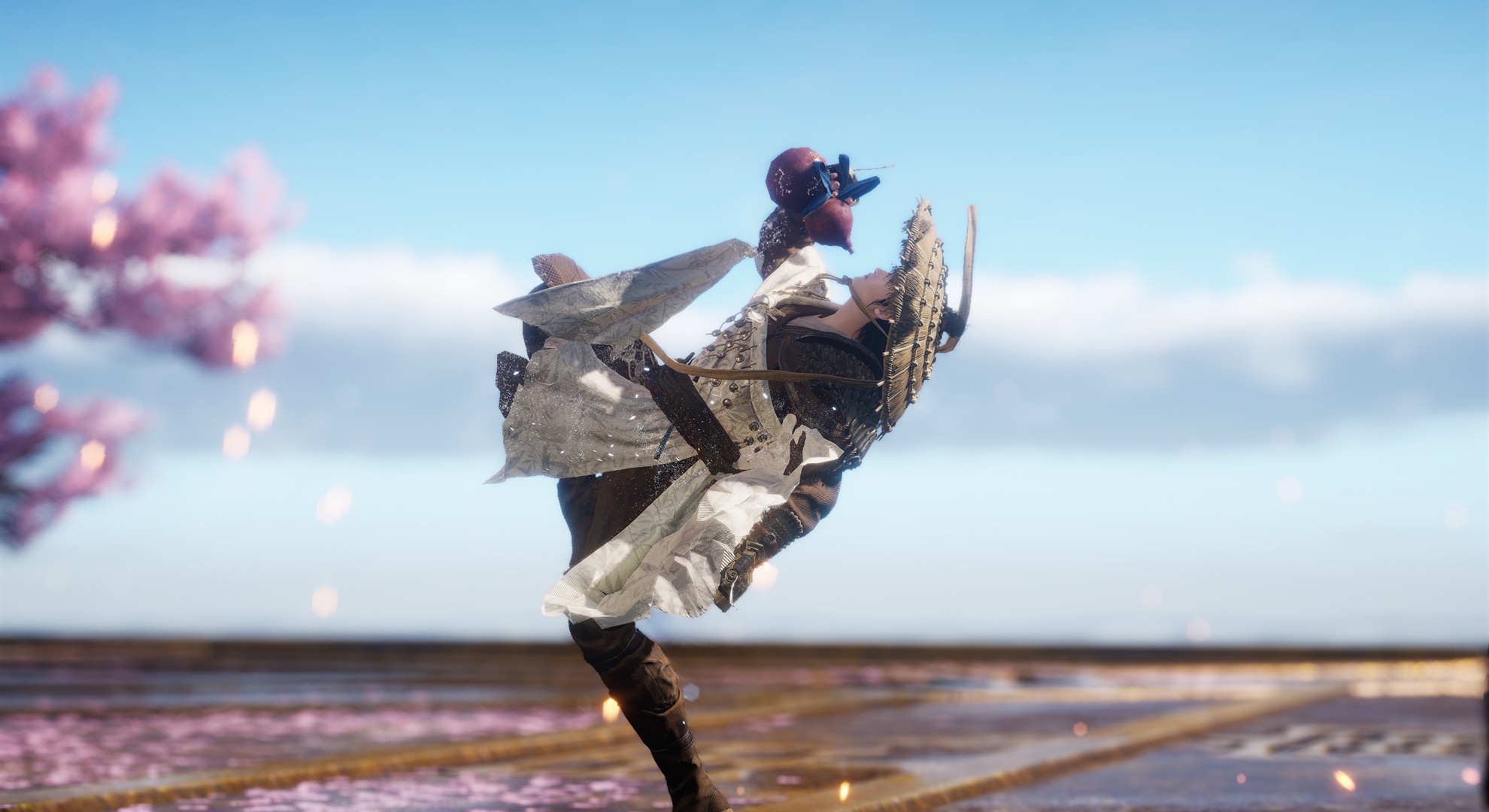
One of the most exciting additions we were able to test during the demo was the newly reimagined Drunken Fist martial arts set, officially called the Bamboocut Draught path. Veteran players might remember the game’s earlier “Drunken Poet” mystic skill, which was unlocked simply by drinking wine until your character got wasted. This update takes that novelty concept and transforms it into a fully fleshed out, highly complex combat class.
Inspired directly by classical Drunken Master cinema, this style brings an entirely new dimension to combat. It is heavily combo-oriented and relies on a unique buildup mechanic. By landing strikes, you accumulate points on a drinking gauge. Once you stack enough points, your character enters an “Inebriate: Deepdaze” burst state that unlocks more aggressive attack patterns and significantly boosts your overall damage output.
While it takes quite a bit of setup to trigger, the payoff is massive, especially during prolonged boss fights where you actually have the time to build up the necessary gauge. However, it is worth noting that the style has a remarkably steep learning curve. During our short hands-on session, it was clear that mastering the Bamboocut Draught takes serious technical execution, as some of the more advanced combos require you to perfectly time weapon swaps mid-attack to maximize your damage. It perfectly captures that blend of hard-hitting impact and fluid, unpredictable movement, assuming you can actually master the rhythm.
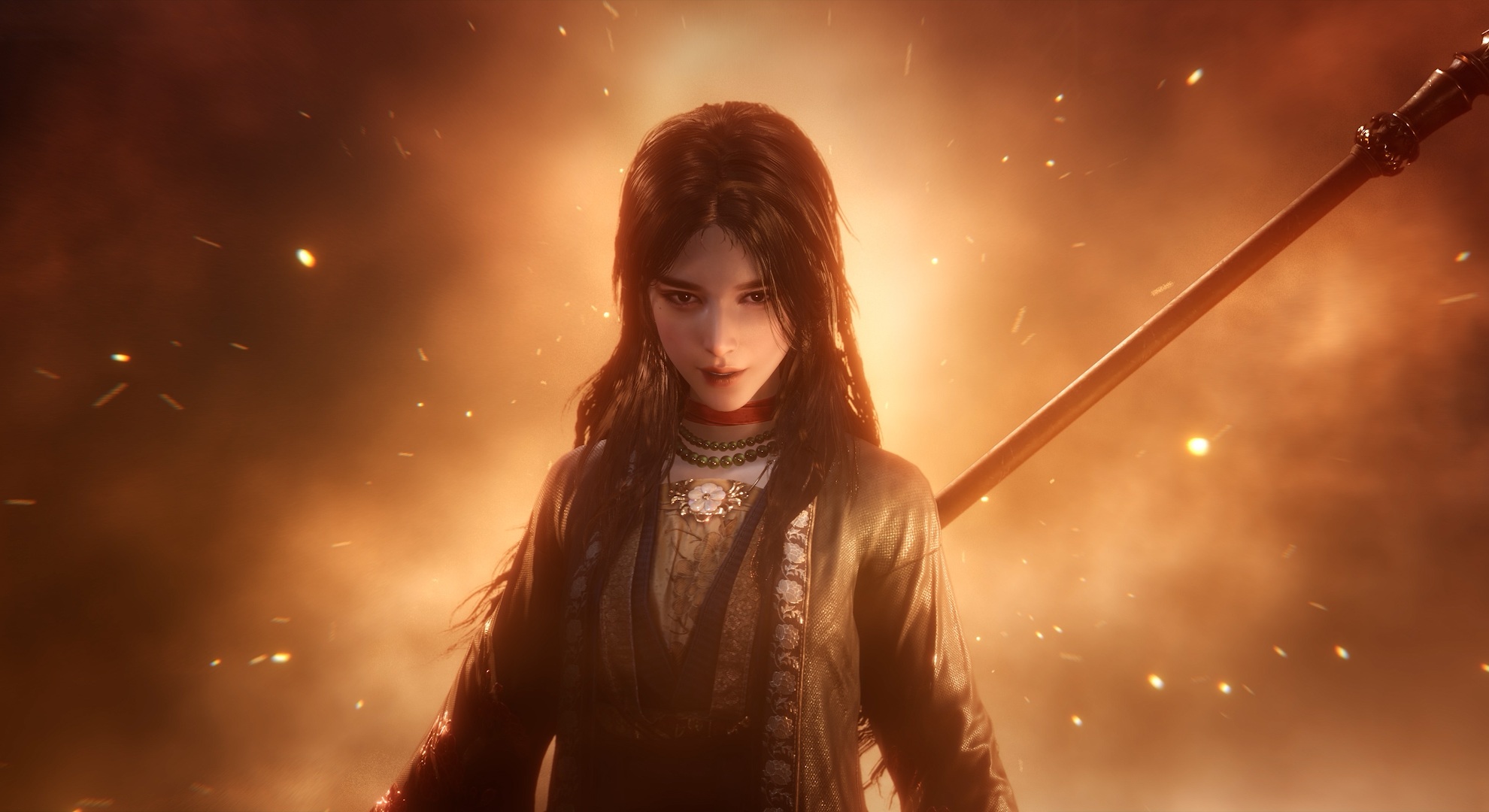
The boss fights in Chapter 3 feel designed to be more than simple damage checks. They lean heavily into spectacle, movement, and timing, with encounters staged around dramatic set pieces rather than static arenas. Rhythm and pressure take center stage, making defensive timing and positioning just as important as landing your own attacks.
What I liked about the Hidden Mountain boss fights is that they didn’t feel like throwaway encounters. There was a clear effort to give them larger-scale presentation, dramatic pacing, and attack patterns that force you to pay attention. Since Chapter 3 acts as the finale of the Hidden Mountain arc, these bigger confrontations are framed perfectly to feel like a true climax. What made the finale work so well for me was that its two major encounters serve very different narrative purposes.
The Rematch with Qianye: Qianye is an antagonist tied to the Wanderer’s journey since the early chapters, particularly through the tragedy at Blissful Retreat and the sacrifice of Yi Dao. Her ability to assume the appearance of familiar figures gives her encounters a personal, deceptive quality. Bringing her back in Chapter 3 gives the finale a sense of payoff and closure. The fight carries the emotional weight of unfinished business, making it feel less like a brand-new threat and more like the continuation of a long-standing rivalry.
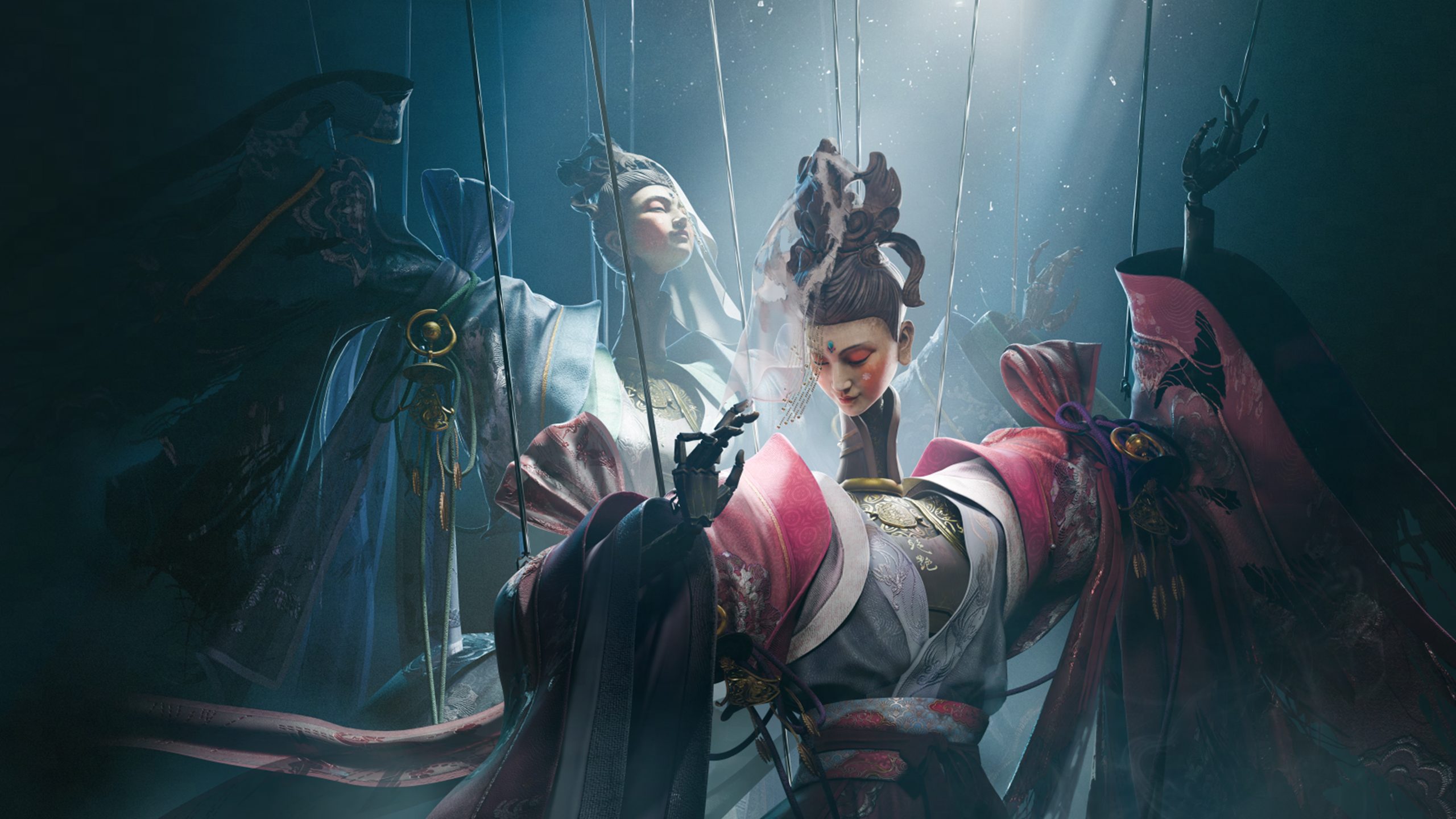
The Climax with Halcyon: Halcyon serves as the true mechanical conclusion to the Hidden Mountain storyline itself. Her fight is faster and far more demanding, forcing you to react to command grabs, environmental hazards, and movement-heavy sequences. The encounter even uses a playable flashback to deepen her backstory before pushing into its later phase, giving the battle a strong emotional context rather than turning it into a straightforward boss rush.
It is worth noting that “finale” here refers specifically to the Hidden Mountain storyline. Where Winds Meet is a live-service RPG, and the team made it clear that while this closes one major chapter, the Wanderer’s wider journey continues beyond it.
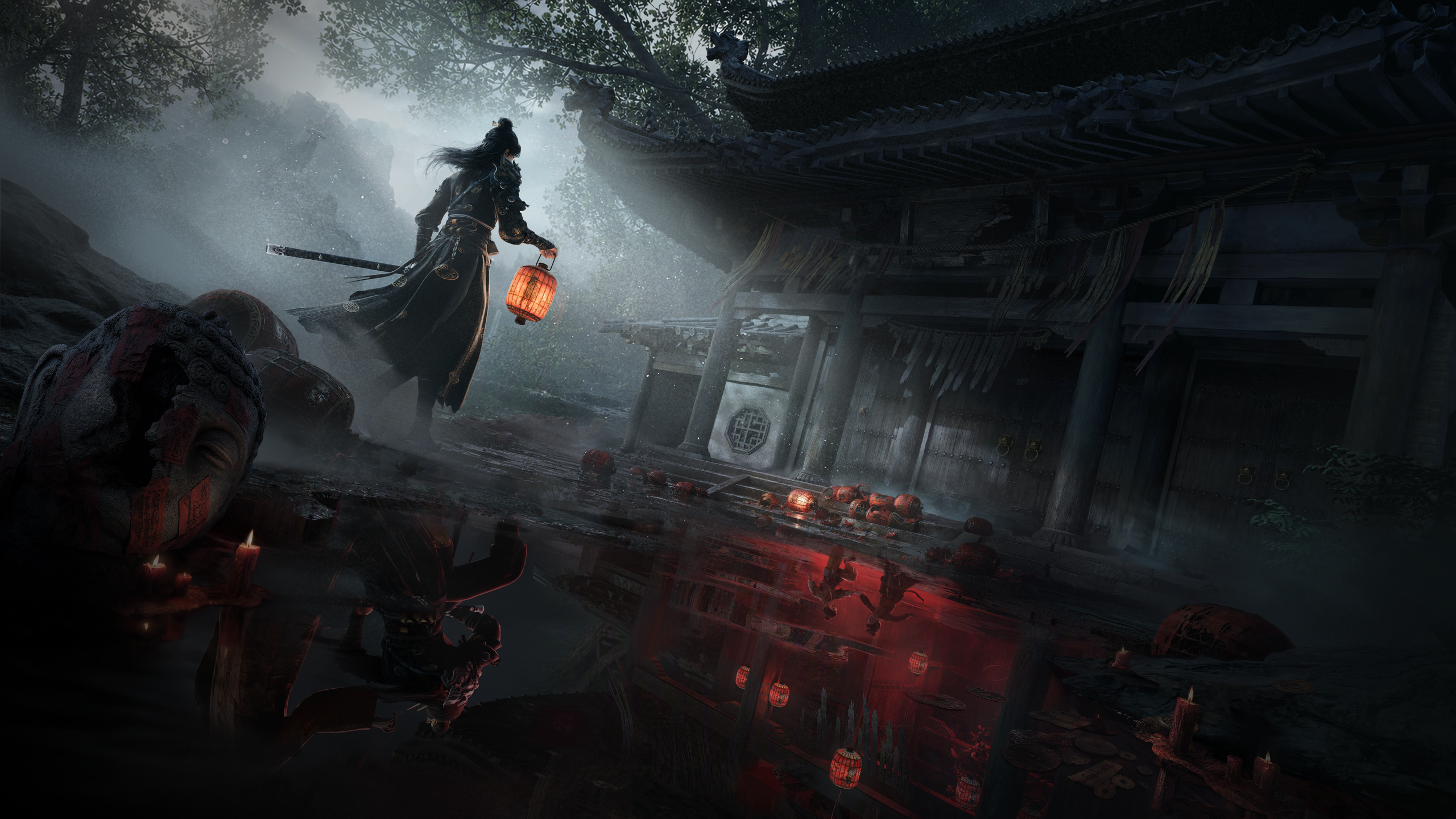
One thing that stood out from the preview build was how willing Where Winds Meet is to experiment with formats outside the standard open-world structure.
Reflection Temple is probably the clearest example of Where Winds Meet stepping outside its usual comfort zone without losing its identity. Instead of relying purely on jump scares or standard combat, the mode uses Eastern Ghost Month traditions, environmental tension, and explicit survival rules to create a slower, more unsettling experience. The developers explained that they translated real-world folklore taboos into gameplay mechanics, incorporating ancestor offerings and wandering spirits directly into the level.
What makes Reflection Temple work is that the horror feels rooted in cultural ritual rather than pasted on top of the game. The atmosphere comes from the environment feeling slightly wrong, from rituals that aren’t fully explained, and from taboos that matter before you completely understand why. It feels like the game temporarily adopting the logic of a ghost story rather than trying to become a generic horror game.
My main takeaway after returning to Where Winds Meet in Hanoi is that the game feels remarkably more mature and self-aware now.
At launch, I remember being impressed by the scale and ambition, but also feeling like several systems needed more refinement. Coming back to it now, the translation is improving, the presentation feels cleaner, the newer regions seem more confident in their identity, and the team appears to be responding directly to player feedback. During the interview, they explained how feedback is collected across Reddit, Discord, X, Instagram, and Facebook, categorized by urgency, and used to shape updates. They even pointed to systems like Homestead and Companion as features built for players who might not be vocal on social media.
Where Winds Meet hasn’t suddenly become a completely different game. It is still dense, ambitious, dramatic, and occasionally overwhelming. But it feels more polished now, more intentional, and far more aware of what works. The ambition was always there. Now, after playing the Hidden Mountain Finale in Hanoi, the execution feels closer than ever to catching up with it.
The Hidden Mountain main chapter finale arrives on September 16!